
具有干细胞样特性的卵巢癌细胞球体通过耐缺氧代谢促进肿瘤发生、转移和化疗耐药。
Ovarian cancer spheroid cells with stem cell-like properties contribute to tumor generation, metastasis and chemotherapy resistance through hypoxia-resistant metabolism.
机构信息
Departments of Gynecologic Oncology, Roswell Park Cancer Institute, Buffalo, New York, United States of America ; Surgical Oncology, Roswell Park Cancer Institute, Buffalo, New York, United States of America.
Immunology; Roswell Park Cancer Institute, Buffalo, New York, United States of America ; Center for Immunotherapy; Roswell Park Cancer Institute, Buffalo, New York, United States of America.
出版信息
PLoS One. 2014 Jan 7;9(1):e84941. doi: 10.1371/journal.pone.0084941. eCollection 2014.
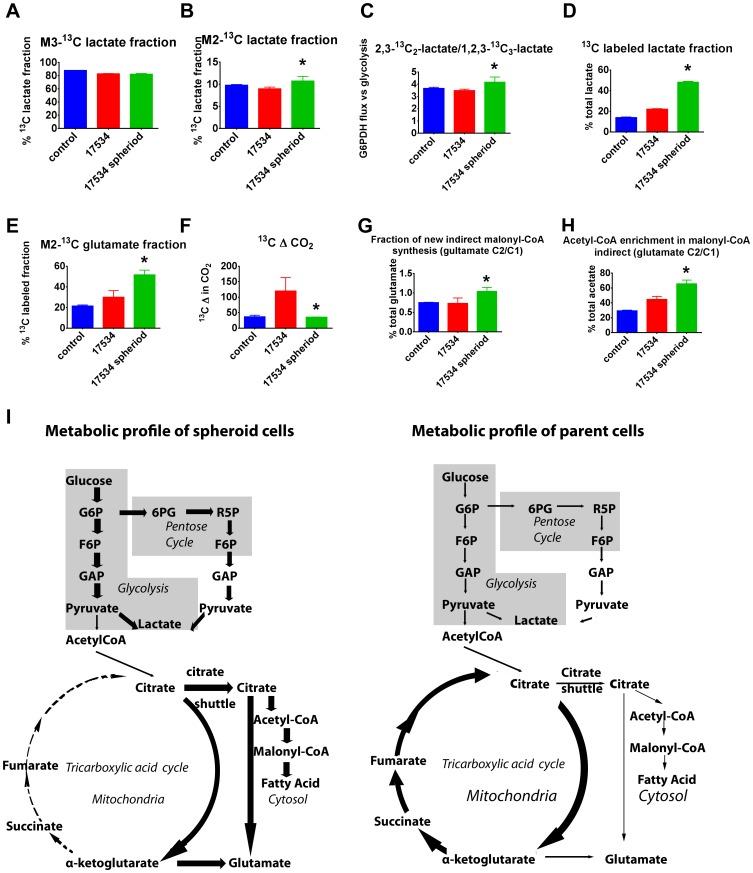
Cells with sphere forming capacity, spheroid cells, are present in the malignant ascites of patients with epithelial ovarian cancer (EOC) and represent a significant impediment to efficacious treatment due to their putative role in progression, metastasis and chemotherapy resistance. The exact mechanisms that underlie EOC metastasis and drug resistance are not clear. Understanding the biology of sphere forming cells may contribute to the identification of novel therapeutic opportunities for metastatic EOC. Here we generated spheroid cells from human ovarian cancer cell lines and primary ovarian cancer. Xenoengraftment of as few as 2000 dissociated spheroid cells into immune-deficient mice allowed full recapitulation of the original tumor, whereas >10(5) parent tumor cells remained non-tumorigenic. The spheroid cells were found to be enriched for cells with cancer stem cell-like characteristics such as upregulation of stem cell genes, self-renewal, high proliferative and differentiation potential, and high aldehyde dehydrogenase (ALDH) activity. Furthermore, spheroid cells were more aggressive in growth, migration, invasion, scratch recovery, clonogenic survival, anchorage-independent growth, and more resistant to chemotherapy in vitro. (13)C-glucose metabolic studies revealed that spheroid cells route glucose predominantly to anaerobic glycolysis and pentose cycle to the detriment of re-routing glucose for anabolic purposes. These metabolic properties of sphere forming cells appear to confer increased resistance to apoptosis and contribute to more aggressive tumor growth. Collectively, we demonstrated that spheroid cells with cancer stem cell-like characteristics contributed to tumor generation, progression and chemotherapy resistance. This study provides insight into the relationship between tumor dissemination and metabolic attributes of human cancer stem cells and has clinical implications for cancer therapy.
具有球体形成能力的细胞,球体细胞,存在于上皮性卵巢癌 (EOC) 患者的恶性腹水中,由于其在进展、转移和化疗耐药中的潜在作用,成为有效治疗的重大障碍。EOC 转移和耐药的确切机制尚不清楚。了解球体形成细胞的生物学特性可能有助于为转移性 EOC 确定新的治疗机会。在这里,我们从人卵巢癌细胞系和原发性卵巢癌中生成球体细胞。将少至 2000 个分离的球体细胞异种移植到免疫缺陷小鼠中,允许完全重现原始肿瘤,而 >10(5)个亲本肿瘤细胞仍然无致瘤性。发现球体细胞富含具有癌症干细胞样特征的细胞,例如干细胞基因的上调、自我更新、高增殖和分化潜力以及高醛脱氢酶 (ALDH) 活性。此外,球体细胞在生长、迁移、侵袭、划痕恢复、集落形成存活、锚定独立生长和体外化疗耐药方面更为侵袭性。(13)C-葡萄糖代谢研究表明,球体细胞主要将葡萄糖途径用于无氧糖酵解和戊糖循环,而不是将葡萄糖重新用于合成代谢。这些球体形成细胞的代谢特性似乎赋予了对细胞凋亡的更高抗性,并有助于更具侵袭性的肿瘤生长。总的来说,我们证明了具有癌症干细胞样特征的球体细胞有助于肿瘤的发生、进展和化疗耐药。这项研究深入了解了人类癌症干细胞的肿瘤扩散与代谢特性之间的关系,并对癌症治疗具有临床意义。


 Zotero 插件