
性别比例的多因素影响:内分泌干扰物污染与邻里压力的时空调查
Multi-factorial influences on sex ratio: a spatio-temporal investigation of endocrine disruptor pollution and neighborhood stress.
作者信息
McDonald Ewan, Watterson Andrew, Tyler Andrew N, McArthur John, Scott E Marion
出版信息
Int J Occup Environ Health. 2014 Jul-Sep;20(3):235-46. doi: 10.1179/2049396714Y.0000000073.
BACKGROUND
It is suggested the declining male birth proportion in some industrialized countries is linked to ubiquitous endocrine disruptor exposure. Stress and advanced parental age are determinants which frequently present positive findings. Multi-factorial influences on population sex ratio are rarely explored or tested in research.
OBJECTIVES
To test the hypothesis that dual factors of pollution and population stress affects sex proportion at birth through geographical analysis of Central Scotland.
METHODS
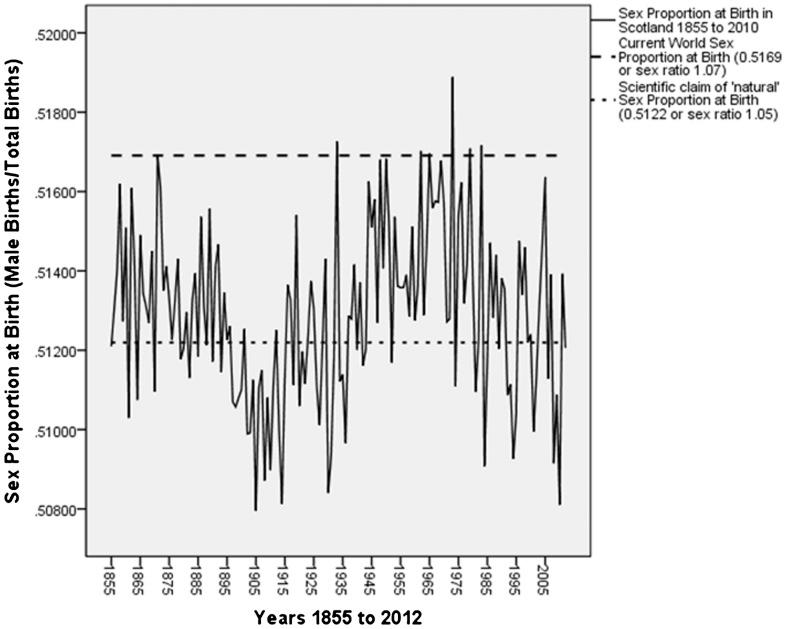
The study incorporates the use of Geographical Information Systems (GIS) tools to overlay modeled point source endocrine disruptor air emissions with "small-area" data on multiple deprivation (a proxy measurement of stress) and birth sex. Historical review of regional sex ratio trends presents additional data on sex ratio in Scotland to consider.
RESULTS
There was no overall concentration in Central Scotland of low sex ratio neighborhoods with areas where endocrine disruptor air pollution and deprivation or economic stress were high. Historical regional trends in Scotland (from 1973), however, do show significantly lower sex ratio values for populations where industrial air pollution is highest (i.e. Eastern Central Scotland).
CONCLUSIONS
Use of small area data sets and pollution inventories is a potential new method of inquiry for reproductive environmental and health protection monitoring and has produced interesting findings.
背景
有人认为,一些工业化国家男性出生比例下降与普遍接触内分泌干扰物有关。压力和父母年龄偏大是经常得出阳性结果的决定因素。研究中很少探讨或检验对人口性别比的多因素影响。
目的
通过对苏格兰中部的地理分析,验证污染和人口压力这两个因素会影响出生性别比的假设。
方法
该研究使用地理信息系统(GIS)工具,将模拟的点源内分泌干扰物空气排放数据与关于多重贫困(压力的一种替代测量指标)和出生性别的“小区域”数据叠加。对苏格兰地区性别比趋势的历史回顾提供了更多关于苏格兰性别比的数据以供参考。
结果
在苏格兰中部,性别比低的社区与内分泌干扰物空气污染以及贫困或经济压力高的地区没有总体上的集中分布。然而,苏格兰(自1973年起)的历史区域趋势确实显示,工业空气污染最高的地区(即苏格兰中东部)的人口性别比值显著更低。
结论
使用小区域数据集和污染清单是生殖环境与健康保护监测的一种潜在新研究方法,并且已经得出了有趣的发现。


 Zotero 插件