
电子烟及带有调味剂的电子烟油所产生的蒸汽会在肺上皮细胞和小鼠肺部诱发毒性、氧化应激及炎症反应。
Vapors produced by electronic cigarettes and e-juices with flavorings induce toxicity, oxidative stress, and inflammatory response in lung epithelial cells and in mouse lung.
作者信息
Lerner Chad A, Sundar Isaac K, Yao Hongwei, Gerloff Janice, Ossip Deborah J, McIntosh Scott, Robinson Risa, Rahman Irfan
机构信息
Department of Environmental Medicine, University of Rochester Medical Center, Rochester, NY, United States of America.
Department of Public Health Sciences, University of Rochester Medical Center, Rochester, NY, United States of America.
出版信息
PLoS One. 2015 Feb 6;10(2):e0116732. doi: 10.1371/journal.pone.0116732. eCollection 2015.
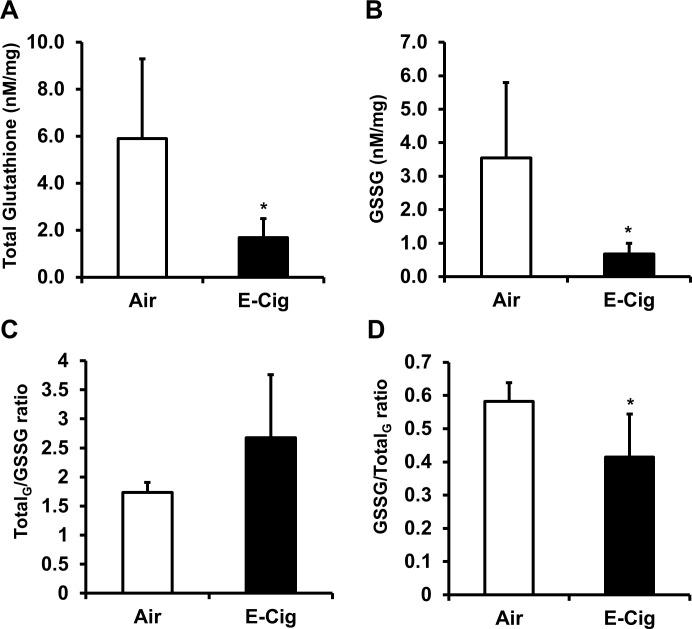
Oxidative stress and inflammatory response are the key events in the pathogenesis of chronic airway diseases. The consumption of electronic cigarettes (e-cigs) with a variety of e-liquids/e-juices is alarmingly increasing without the unrealized potential harmful health effects. We hypothesized that electronic nicotine delivery systems (ENDS)/e-cigs pose health concerns due to oxidative toxicity and inflammatory response in lung cells exposed to their aerosols. The aerosols produced by vaporizing ENDS e-liquids exhibit oxidant reactivity suggesting oxidants or reactive oxygen species (OX/ROS) may be inhaled directly into the lung during a "vaping" session. These OX/ROS are generated through activation of the heating element which is affected by heating element status (new versus used), and occurs during the process of e-liquid vaporization. Unvaporized e-liquids were oxidative in a manner dependent on flavor additives, while flavors containing sweet or fruit flavors were stronger oxidizers than tobacco flavors. In light of OX/ROS generated in ENDS e-liquids and aerosols, the effects of ENDS aerosols on tissues and cells of the lung were measured. Exposure of human airway epithelial cells (H292) in an air-liquid interface to ENDS aerosols from a popular device resulted in increased secretion of inflammatory cytokines, such as IL-6 and IL-8. Furthermore, human lung fibroblasts exhibited stress and morphological change in response to treatment with ENDS/e-liquids. These cells also secrete increased IL-8 in response to a cinnamon flavored e-liquid and are susceptible to loss of cell viability by ENDS e-liquids. Finally, exposure of wild type C57BL/6J mice to aerosols produced from a popular e-cig increase pro-inflammatory cytokines and diminished lung glutathione levels which are critical in maintaining cellular redox balance. Thus, exposure to e-cig aerosols/juices incurs measurable oxidative and inflammatory responses in lung cells and tissues that could lead to unrealized health consequences.
氧化应激和炎症反应是慢性气道疾病发病机制中的关键事件。使用各种电子烟液的电子烟消费正在惊人地增加,但其潜在的有害健康影响尚未被认识到。我们假设电子尼古丁传送系统(ENDS)/电子烟由于其气溶胶暴露的肺细胞中的氧化毒性和炎症反应而对健康构成威胁。通过蒸发ENDS电子烟液产生的气溶胶表现出氧化反应性,这表明在“吸电子烟”过程中,氧化剂或活性氧(OX/ROS)可能会直接吸入肺部。这些OX/ROS是通过加热元件的激活产生的,加热元件的状态(新的与使用过的)会影响其产生,并且发生在电子烟液蒸发过程中。未蒸发的电子烟液具有依赖于风味添加剂的氧化性,而含有甜味或水果味的风味剂比烟草味风味剂的氧化性更强。鉴于ENDS电子烟液和气溶胶中产生的OX/ROS,我们测量了ENDS气溶胶对肺组织和细胞的影响。将人气道上皮细胞(H292)在气液界面暴露于来自一种流行设备产生的ENDS气溶胶中,会导致炎症细胞因子如IL-6和IL-8的分泌增加。此外,人肺成纤维细胞在接受ENDS/电子烟液处理后会出现应激和形态变化。这些细胞在接触肉桂味电子烟液时也会分泌更多的IL-8,并且容易受到ENDS电子烟液导致的细胞活力丧失的影响。最后,将野生型C57BL/6J小鼠暴露于一种流行电子烟产生的气溶胶中,会增加促炎细胞因子并降低肺谷胱甘肽水平,而肺谷胱甘肽水平对于维持细胞氧化还原平衡至关重要。因此,接触电子烟气溶胶/烟液会在肺细胞和组织中引发可测量的氧化和炎症反应,这可能会导致未被认识到的健康后果。


 Zotero 插件