
上颌窦穿孔牙种植体的渐进性即刻负重:一例报告
Progressive immediate loading of a perforated maxillary sinus dental implant: a case report.
作者信息
Al-Juboori Mohammed Jasim
机构信息
Department of Oral Surgery, MAHSA University, Kuala Lumpur, Malaysia.
出版信息
Clin Cosmet Investig Dent. 2015 Jan 29;7:25-31. doi: 10.2147/CCIDE.S76637. eCollection 2015.
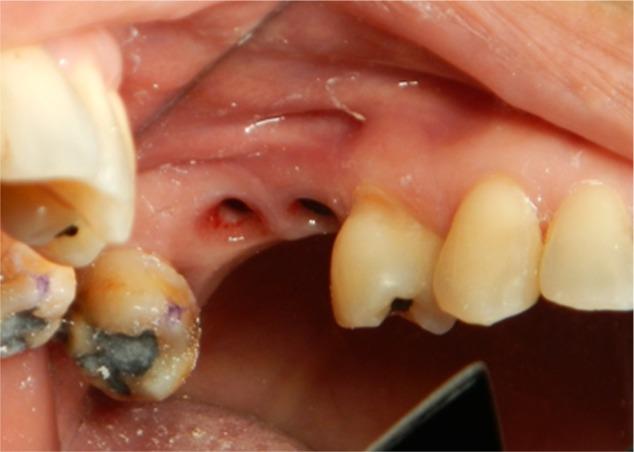
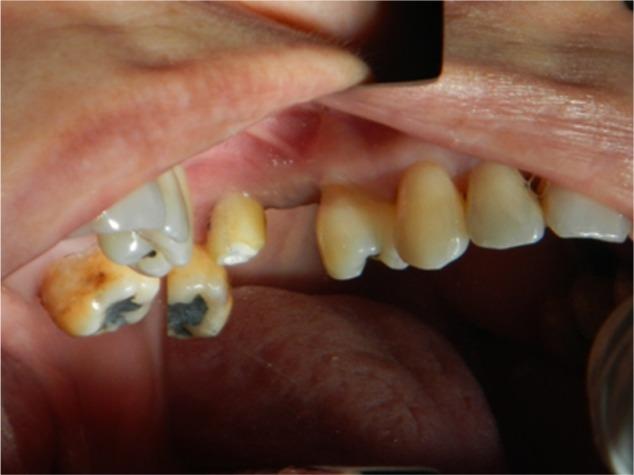
The displacement of a dental implant into the maxillary sinus may lead to implant failure due to exposure of the apical third or the tip of the implant beyond the bone, resulting in soft tissue growth. This case report discusses dental implant placement in the upper first molar area with maxillary sinus involvement of approximately 2 mm. A new technique for progressive implant loading was used, involving immediately loaded implants with maxillary sinus perforation and low primary stability. Follow-up was performed with resonance frequency analysis and compared with an implant placed adjacent in the upper second premolar area using a conventional delayed loading protocol. Implants with maxillary sinus involvement showed increasing stability during the healing period. We found that progressive implant loading may be a safe technique for the placement of immediately loaded implants with maxillary sinus involvement.
牙种植体移位至上颌窦可能会因种植体根尖三分之一或种植体尖端暴露于骨外,导致软组织生长,进而导致种植失败。本病例报告讨论了在上颌第一磨牙区域进行牙种植体植入且上颌窦受累约2 mm的情况。采用了一种新的渐进性种植体加载技术,包括对上颌窦穿孔且初期稳定性较低的种植体进行即刻加载。通过共振频率分析进行随访,并与使用传统延迟加载方案在上颌第二前磨牙区域相邻植入的种植体进行比较。上颌窦受累的种植体在愈合期显示出稳定性增加。我们发现,渐进性种植体加载对于上颌窦受累的即刻加载种植体植入可能是一种安全的技术。




 Zotero 插件