
以虚构城市君临城为例,探讨社会不平等对城市热负荷的加剧作用。
Enhancement of urban heat load through social inequalities on an example of a fictional city King's Landing.
作者信息
Žuvela-Aloise M
机构信息
Zentralanstalt für Meteorologie und Geodynamik (ZAMG), Vienna, Austria.
出版信息
Int J Biometeorol. 2017 Mar;61(3):527-539. doi: 10.1007/s00484-016-1230-z. Epub 2016 Aug 18.
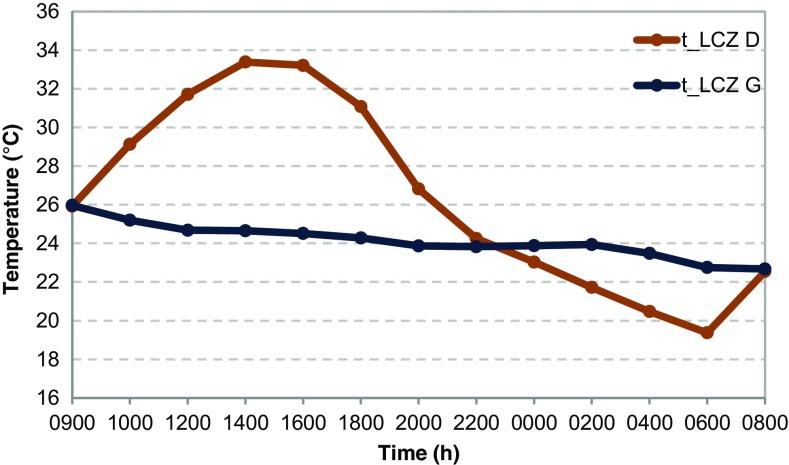
The numerical model MUKLIMO_3 is used to simulate the urban climate of an imaginary city as an illustrative example to demonstrate that the residential areas with deprived socio-economic conditions can exhibit an enhanced heat load at night, and thus more disadvantageous environmental conditions, compared with the areas of higher socio-economic status. The urban climate modelling simulations differentiate between orographic, natural landscape, building and social effects, where social differences are introduced by selection of location, building type and amount of vegetation. The model results show that the increase of heat load can be found in the areas inhabited by the poor population as a combined effect of natural and anthropogenic factors. The unfavourable location in the city and the building type, consisting of high density, low housing with high fraction of pavement and small amount of vegetation contribute to the formation of excessive heat load. This abstract example shows that the enhancement of urban heat load can be linked to the concept of a socially stratified city and is independent of the historical development of any specific city.
数值模型MUKLIMO_3被用于模拟一个虚构城市的城市气候,作为一个示例来说明,与社会经济地位较高的地区相比,社会经济条件较差的居民区在夜间可能会出现增强的热负荷,从而呈现出更不利的环境条件。城市气候模拟区分了地形、自然景观、建筑和社会影响,其中社会差异是通过地点选择、建筑类型和植被数量来体现的。模型结果表明,作为自然和人为因素的综合影响,贫困人口居住的地区会出现热负荷增加的情况。城市中不利的位置以及由高密度、低住房、高比例的路面和少量植被组成的建筑类型,都导致了过度热负荷的形成。这个抽象的例子表明,城市热负荷的增强可能与社会分层城市的概念相关联,并且与任何特定城市的历史发展无关。




 Zotero 插件