
根提取物对肝癌细胞的潜在抗肿瘤活性及凋亡诱导作用
Potential Antitumor Activity and Apoptosis Induction of Root Extract against Hepatocellular Carcinoma Cells.
作者信息
Alwhibi Mona S, Khalil Mahmoud I M, Ibrahim Mohamed M, El-Gaaly Gehan A, Sultan Ahmed S
机构信息
Botany and Microbiology Department, Science College, King Saud University, P.O. Box 2455, Riyadh 11451, Saudi Arabia.
Molecular Biology Unit, Zoology Department, Faculty of Science, Alexandria University, P.O. Box 21511, Alexandria, Egypt.
出版信息
Evid Based Complement Alternat Med. 2017;2017:7218562. doi: 10.1155/2017/7218562. Epub 2017 Mar 22.
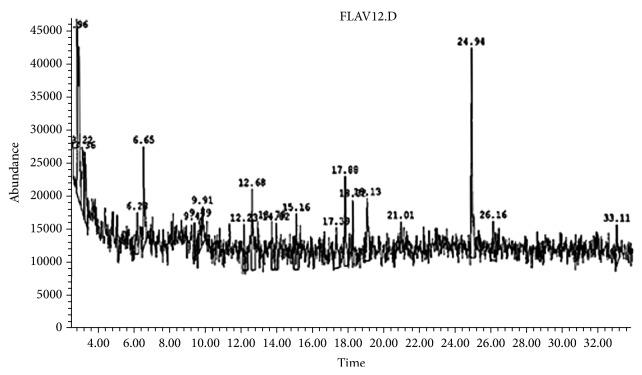
(moghat) is used as a nutritive and demulcent drink. This study was performed to investigate the antiproliferative effects of moghat root extract (MRE) and its apoptotic mechanism in hepatocellular carcinoma (HCC) cells, HepG2 and Hep3B. MTT assay, morphological changes, apoptosis enzyme linked immunosorbent assay, caspase and apoptotic activation, flow cytometry, and immunoblot analysis were employed. The IC of MRE for HepG2 (910 ± 6 g/ml) and for Hep3B (1510 ± 5 g/ml) induced significant growth-inhibitory effects against HCC cells, with no cytotoxic effect on normal hepatocytes. MRE treatment induced apoptotic effects to HepG2 cells in a caspase-dependent manner and via upregulating p53/p21 and PCNA. The upregulation of p21 was controlled by p53 expression in HepG2 but not in Hep3B despite upregulation of Bax protein in both cell lines. Interestingly, p21 may be a remarkable switch to G1 arrest in HepG2 cells, but not in Hep3B cells. In addition, Fas- and mitochondria-mediated pathways were found to be involved in MRE-induced apoptosis in Hep3B cells. The GC-MS analysis of MRE revealed two major constituents of pharmaceutical importance: the flavonoid apigenin (17.04%) and the terpenoid squalene (11.32%). The data presented in this paper introduces as a promising nontoxic herb with therapeutic potential for HCC. To the authors' knowledge, the present study provides the first report on the anticancer activity of MRE on HCC cells.
(moghat)被用作营养和缓和的饮品。本研究旨在探讨moghat根提取物(MRE)对肝癌细胞HepG2和Hep3B的抗增殖作用及其凋亡机制。采用MTT法、形态学变化、凋亡酶联免疫吸附测定、半胱天冬酶和凋亡激活、流式细胞术以及免疫印迹分析。MRE对HepG2(910±6μg/ml)和Hep3B(1510±5μg/ml)的半数抑制浓度对肝癌细胞具有显著的生长抑制作用,对正常肝细胞无细胞毒性作用。MRE处理以半胱天冬酶依赖性方式并通过上调p53/p21和增殖细胞核抗原(PCNA)诱导HepG2细胞凋亡。尽管在两种细胞系中Bax蛋白均上调,但HepG2细胞中p21的上调受p53表达的控制,而Hep3B细胞中不受其控制。有趣的是,p21可能是HepG2细胞中G1期阻滞的一个显著开关,但在Hep3B细胞中不是。此外,发现Fas和线粒体介导的途径参与了MRE诱导的Hep3B细胞凋亡。MRE的气相色谱-质谱分析揭示了两种具有重要药用价值的主要成分:黄酮类芹菜素(17.04%)和萜类角鲨烯(11.32%)。本文所呈现的数据表明moghat是一种有前景的无毒草药,对肝癌具有治疗潜力。据作者所知,本研究首次报道了MRE对肝癌细胞的抗癌活性。


 Zotero 插件