
螳螂形态学、命名法及习性手册(昆虫纲,螳螂目)
Manual of praying mantis morphology, nomenclature, and practices (Insecta, Mantodea).
作者信息
Brannoch Sydney K, Wieland Frank, Rivera Julio, Klass Klaus-Dieter, Svenson Gavin J
机构信息
Department of Invertebrate Zoology, Cleveland Museum of Natural History, 1 Wade Oval Drive, Cleveland, Ohio, USA.
Department of Biology, Case Western Reserve University, 10900 Euclid Avenue, Cleveland, Ohio, USA.
出版信息
Zookeys. 2017 Sep 13(696):1-100. doi: 10.3897/zookeys.696.12542. eCollection 2017.
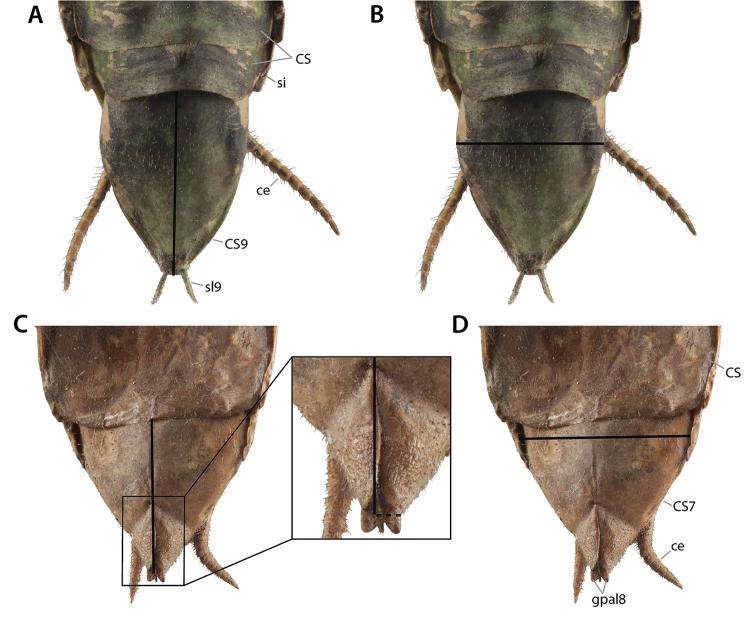
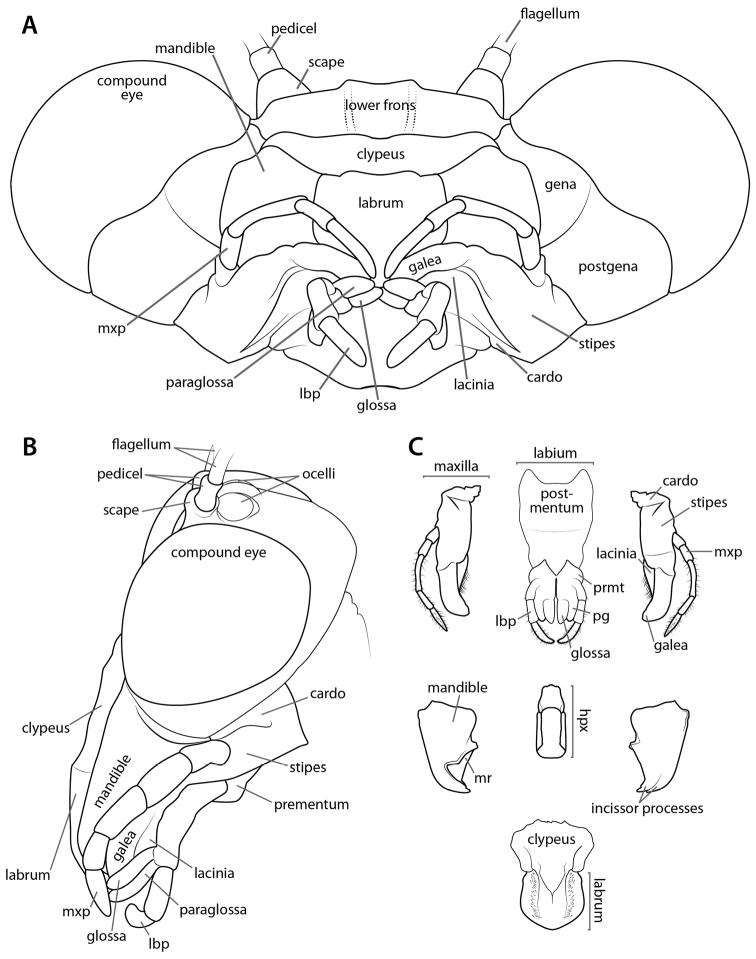
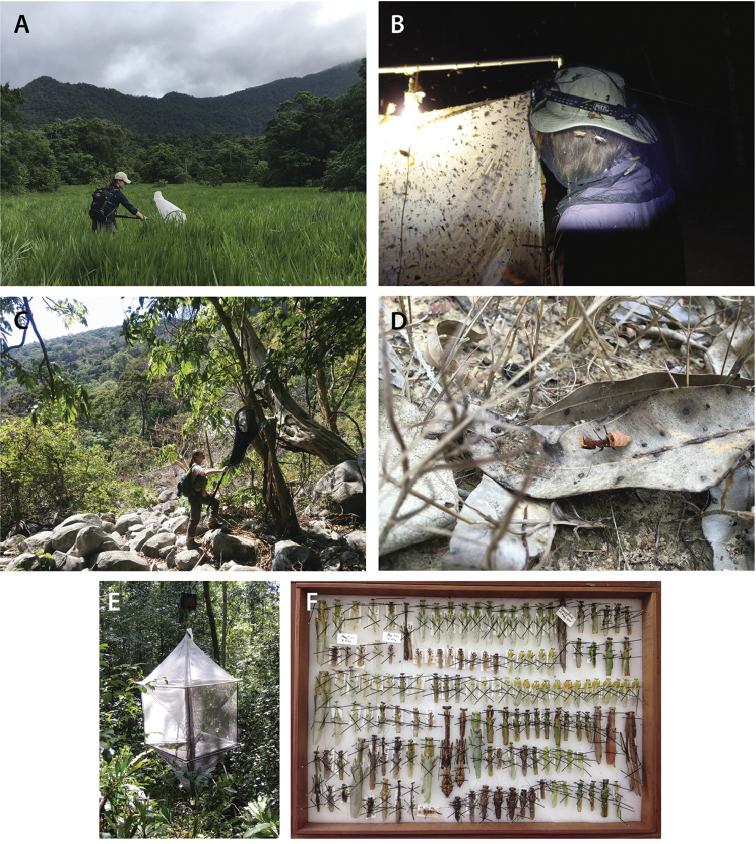
This study provides a comprehensive review of historical morphological nomenclature used for praying mantis (Mantodea) morphology, which includes citations, original use, and assignment of homology. All referenced structures across historical works correspond to a proposed standard term for use in all subsequent works pertaining to praying mantis morphology and systematics. The new standards are presented with a verbal description in a glossary as well as indicated on illustrations and images. In the vast majority of cases, originally used terms were adopted as the new standard. In addition, historical morphological topographical homology conjectures are considered with discussion on modern interpretations. A new standardized formulation to present foreleg femoral and tibial spines is proposed for clarity based on previous works. In addition, descriptions for methods of collection, curation, genital complex dissection, and labeling are provided to aid in the proper preservation and storage of specimens for longevity and ease of study. Due to the lack of consistent linear morphometric measurement practices in the literature, we have proposed a series of measurements for taxonomic and morphological research. These measurements are presented with figures to provide visual aids with homologous landmarks to ensure compatibility and comparability across the Order. Finally, our proposed method of pinning mantises is presented with a photographical example as well as a video tutorial available at http://mantodearesearch.com.
本研究全面回顾了用于螳螂(螳螂目)形态学的历史形态学命名法,包括引用、原始用途和同源性的确定。历史著作中所有引用的结构都对应于一个提议的标准术语,用于所有后续与螳螂形态学和系统学相关的著作。新的标准在术语表中以文字描述呈现,并在插图和图像中标明。在绝大多数情况下,最初使用的术语被采用为新标准。此外,还考虑了历史形态学地形同源性猜想,并对现代解释进行了讨论。基于先前的研究成果,为了清晰起见,提出了一种新的标准化表述方式来呈现前足股节和胫节上的刺。此外,还提供了采集、管理、生殖器复合体解剖和标记方法的描述,以帮助妥善保存和储存标本,延长其寿命并便于研究。由于文献中缺乏一致的线性形态测量方法,我们提出了一系列用于分类学和形态学研究的测量方法。这些测量方法配有图表,以提供带有同源地标点的视觉辅助工具,确保整个目内的兼容性和可比性。最后,我们提出的固定螳螂的方法配有照片示例以及可在http://mantodearesearch.com上获取的视频教程。






 Zotero 插件