Bai Lin, Shi Gui-Ying, Yang Ya-Jun, Chen Wei, Zhang Lian-Feng, Qin Chuan
Key Laboratory of Human Disease Comparative Medicine Ministry of Health Institute of Laboratory Animal Science Chinese Academy of Medical Sciences and Comparative Medical Center Peking Union Medical College Beijing China.
Animal Model Exp Med. 2018 Oct 24;1(3):194-202. doi: 10.1002/ame2.12034. eCollection 2018 Sep.
The time-related decline in regenerative capacity and organ homeostasis is a major feature of aging. and have been used as traditional Chinese herbal medicines for enhanced immunity and prolonged life. However, the mechanism by which this herbal medicine slows aging is unknown. In this study, we investigated the mechanism of the herbal anti-aging effect.
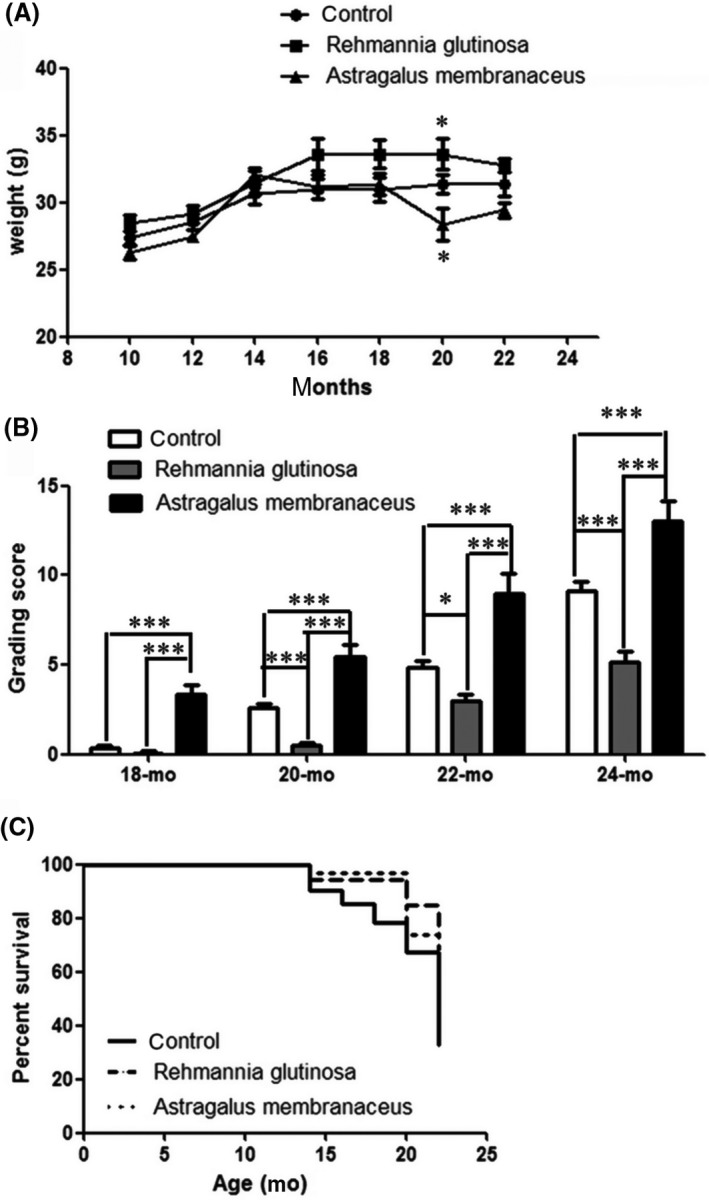
Mice were fed diets supplemented with or for 10 months; the control group was fed a standard diet. The phenotypes were evaluated using a grading score system and survival analysis. The percentages of the senescence phenotypes of hematopoietic stem cells (HSCs) were determined by fluorescence-activated cell sorting analysis. The function and the mechanism of HSCs were analyzed by clonogenic assay and the real-time polymerase chain reaction.
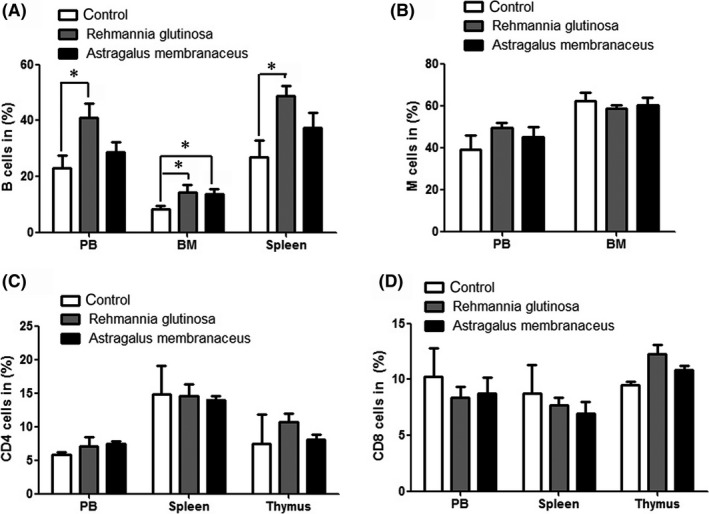
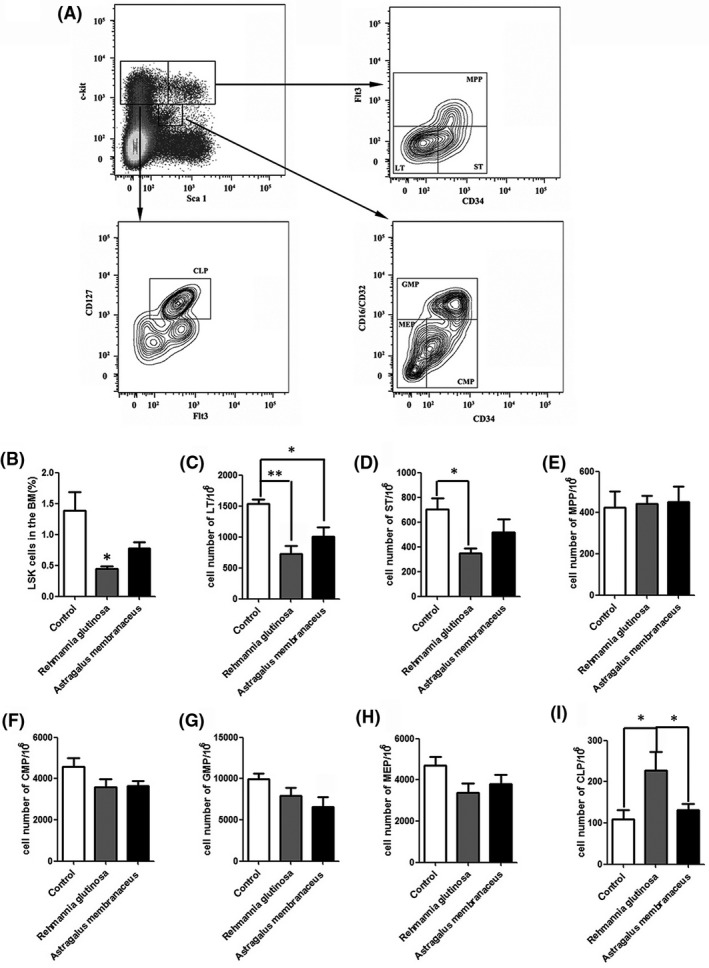
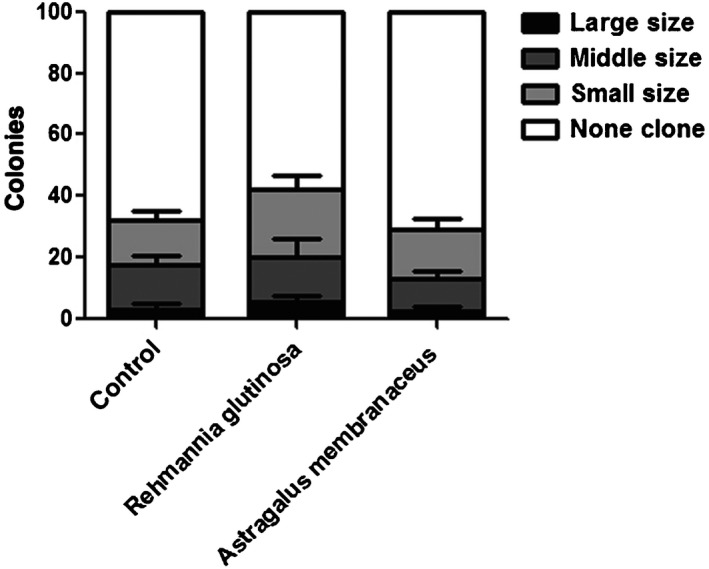
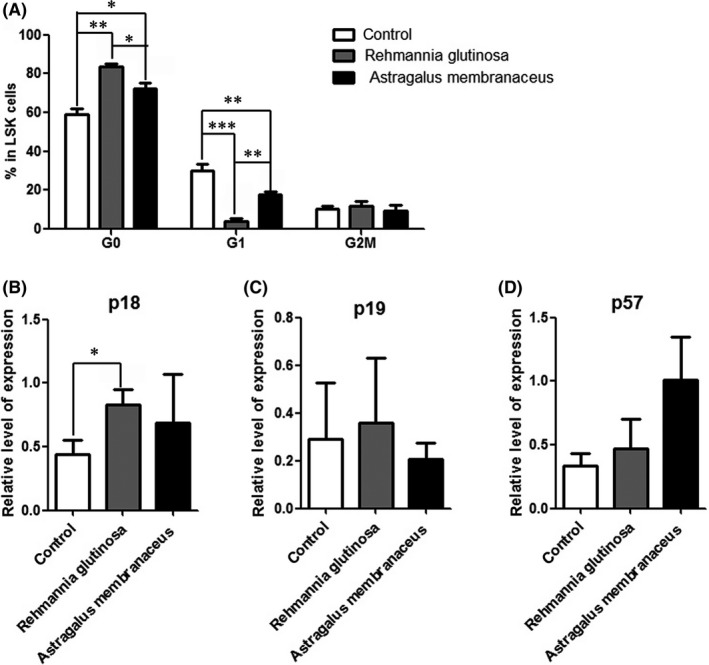
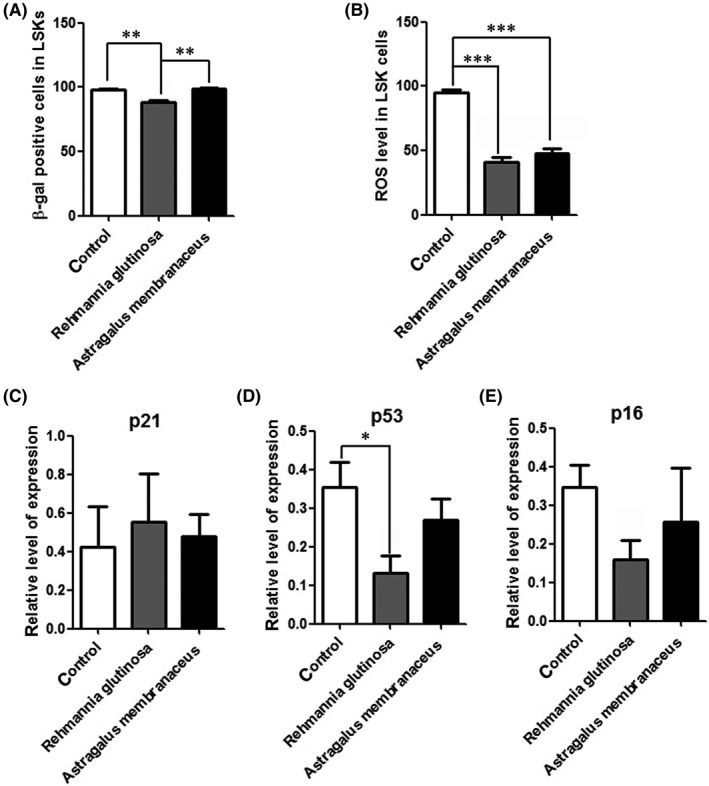
The anti-aging effect of is due to the enhanced function of HSCs. Mice fed with displayed characteristics of a slowed aging process, including decreased senescence and increased rate of survival. Flow cytometry analysis showed decreased numbers of LinSca1c-kit (LSK) cells, long-term HSCs (LT-HSCs) and short-term HSCs (ST-HSCs) in the group. In vitro, clonogenic assays showed increased self-renewal ability of LT-HSCs from the group as well as maintaining LSK quiescence through upregulated p18 expression. The group also showed decreased reactive oxygen species levels and the percentage of β-gal cells through downregulation of the cellular senescence-associated protein p53 and p16.
exerts anti-aging effects by maintaining the quiescence and decreasing the senescence of HSCs.
再生能力和器官内环境稳定随时间的下降是衰老的主要特征。[草药名称1]和[草药名称2]已被用作增强免疫力和延年益寿的传统中草药。然而,这种草药延缓衰老的机制尚不清楚。在本研究中,我们探究了这种草药抗衰老作用的机制。
给小鼠喂食添加了[草药名称1]或[草药名称2]的饮食10个月;对照组喂食标准饮食。使用评分系统和生存分析评估表型。通过荧光激活细胞分选分析确定造血干细胞(HSCs)衰老表型的百分比。通过克隆形成试验和实时聚合酶链反应分析HSCs的功能和机制。
[草药名称1]的抗衰老作用归因于HSCs功能的增强。喂食[草药名称1]的小鼠表现出衰老过程减缓的特征,包括衰老减少和生存率提高。流式细胞术分析显示,[草药名称1]组中LinSca1c-kit(LSK)细胞、长期HSCs(LT-HSCs)和短期HSCs(ST-HSCs)的数量减少。在体外,克隆形成试验显示,[草药名称1]组LT-HSCs的自我更新能力增强,并且通过上调p18表达维持LSK静止。[草药名称1]组还通过下调细胞衰老相关蛋白p53和p16,降低了活性氧水平和β-半乳糖苷酶阳性细胞的百分比。
[草药名称1]通过维持HSCs的静止和减少其衰老发挥抗衰老作用。