
一项运用视觉艺术方法探索淋巴水肿儿童及青少年自我管理认知与障碍的研究。
A Study Using Visual Art Methods to Explore the Perceptions and Barriers of Self-Management in Children and Adolescents with Lymphedema.
作者信息
Moffatt Christine, Aubeeluck Aimee, Stasi Elodie, Mestre Sandrine, Rowan Sara, Murray Susie, Quere Isabelle
机构信息
1 School of Social Sciences, Nottingham Trent University, Nottingham, United Kingdom.
2 Department of Vascular Medicine, EA2992, CHU Saint Eloi, University of Montpellier, Montpellier, France.
出版信息
Lymphat Res Biol. 2019 Apr;17(2):231-244. doi: 10.1089/lrb.2018.0075.
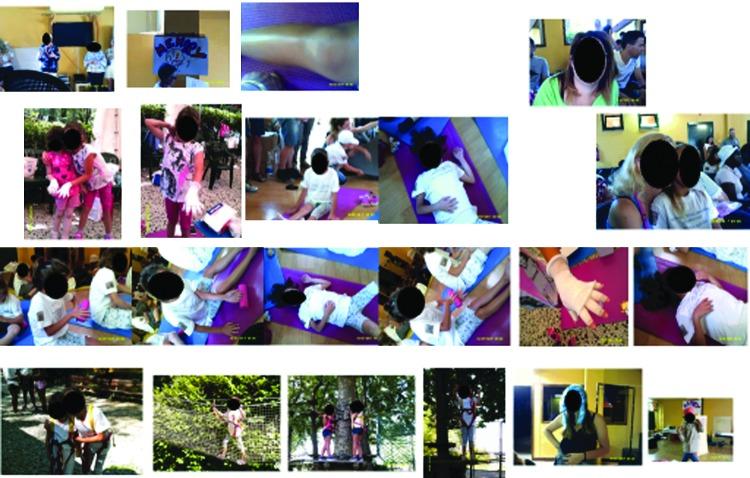
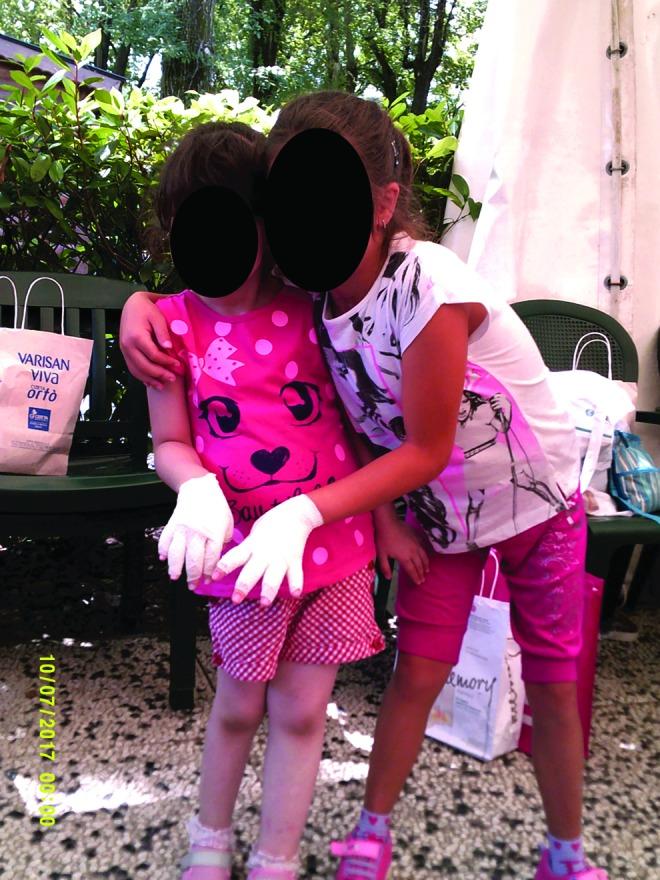
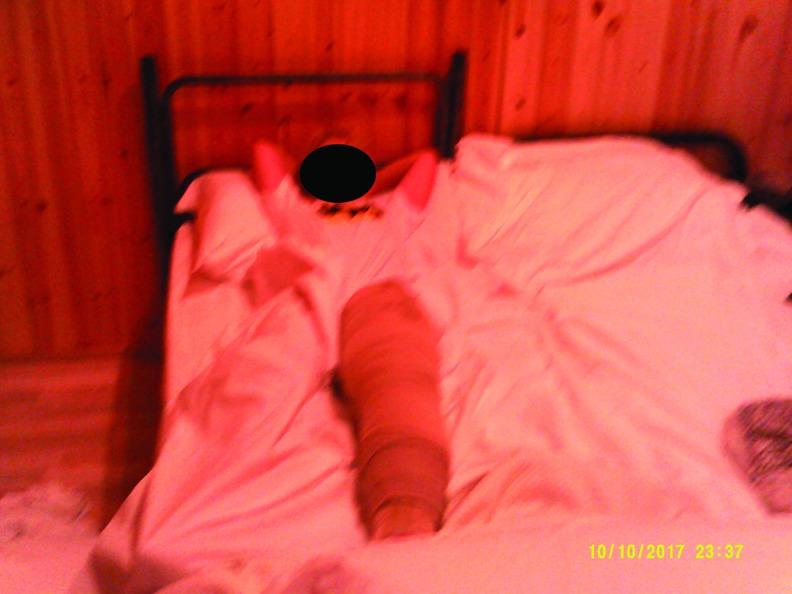
The aims of this study were to explore, using visual art methodology, how children and adolescents perceive their lymphedema and conceptualize the barriers and enablers in self-management and to explore the role of an educational camp in promoting self-efficacy. Participants (speaking English, French, and Italian) were recruited during an educational camp for children with lymphedema. Children and adolescents used different methodologies to depict living and self-managing their condition. Younger children (aged 5-12 years) drew pictures, and all children and adolescents (aged 5-18 years) were given cameras and asked to take photographs that depicted their experience of learning self-management of their condition during the camp. Rose's critical visual methodology framework was used for analysis. Analysis of the data produced five categories: Normal versus altered childhood, living with lymphedema; perceptions of lymphedema and self-care in younger children; adolescents' perception of living and managing lymphedema; learning self-efficacy; and insights into cultural differences in self-care. The study has shown that self-management is complex. Children and adolescents face many daily challenges and frustrations in managing their condition in addition to the normal challenges of development and growth that impact on: home life, time with friends, school activities, and relationships. Children expressed a deep longing for cure and a recognition that their lives were altered by having the condition that led to limitations in sport and wearing fashionable clothes and shoes. The importance of relationships with professionals was critical as was the experience of meeting and learning with other children through the camp experience. Attempts to simplify self-management techniques would appear to be a key priority as would a greater understanding of the self-beliefs young people have of their ability to influence and control their condition and its impact on their life.
本研究的目的是运用视觉艺术方法,探究儿童和青少年如何看待自己的淋巴水肿,以及如何将自我管理中的障碍和促进因素概念化,并探讨教育营在提高自我效能方面的作用。研究参与者(讲英语、法语和意大利语)是在一个针对淋巴水肿儿童的教育营中招募的。儿童和青少年使用不同方法描绘他们的病情及自我管理情况。年幼的儿童(5至12岁)画画,所有儿童和青少年(5至18岁)都被给予相机,并被要求拍摄照片,以描绘他们在营地学习病情自我管理的经历。分析采用了罗斯的批判性视觉方法框架。数据分析产生了五个类别:正常童年与患病童年、与淋巴水肿共存;年幼儿童对淋巴水肿和自我护理的认知;青少年对与淋巴水肿共存及管理的认知;学习自我效能;以及对自我护理文化差异的见解。该研究表明,自我管理很复杂。儿童和青少年在管理病情时除了面临正常的成长和发育挑战(这些挑战会影响家庭生活、与朋友相处的时间、学校活动和人际关系)外,还面临许多日常挑战和挫折。孩子们表达了对治愈的深切渴望,并认识到他们的生活因这种疾病而改变,这导致他们在运动、穿着时尚服装和鞋子方面受到限制。与专业人员建立关系的重要性至关重要,通过营地体验与其他孩子见面和学习的经历也很重要。简化自我管理技巧的尝试似乎是一个关键优先事项,同样重要的是要更深入地了解年轻人对自己影响和控制病情及其对生活影响的能力的自我信念。







 Zotero 插件