
用于血液透析患者管理的饮食应用:一项形成性发展研究。
Dietary Application for the Management of Patients with Hemodialysis: A Formative Development Study.
作者信息
Fakih El Khoury Cosette, Karavetian Mirey, Halfens Ruud J G, Crutzen Rik, El Chaar Dayana, Schols Jos M G A
机构信息
Department of Health Services Research, Care and Public Health Research Institute, Maastricht University, Maastricht, Netherlands.
Department of Health Sciences, Zayed University, Dubai, UAE.
出版信息
Healthc Inform Res. 2019 Oct;25(4):262-273. doi: 10.4258/hir.2019.25.4.262. Epub 2019 Oct 31.
OBJECTIVES
To describe the step-by-step person-centered, theory-based development of the KELA.AE app for Arabic speaking hemodialysis patients.
METHODS
A step-by-step person-driven theory-based approach was conducted to develop a self-monitoring and educational dietary app for hemodialysis patients. The development follows the Integration, Design, Assessment, and Sharing (IDEAS) framework. Qualitative, semi-structured interviews with 6 hemodialysis patients and 6 healthcare practitioners (dietitians and nephrologists) were performed to assess the need for an app, the willingness to use an app, and features desired in an app.
RESULTS
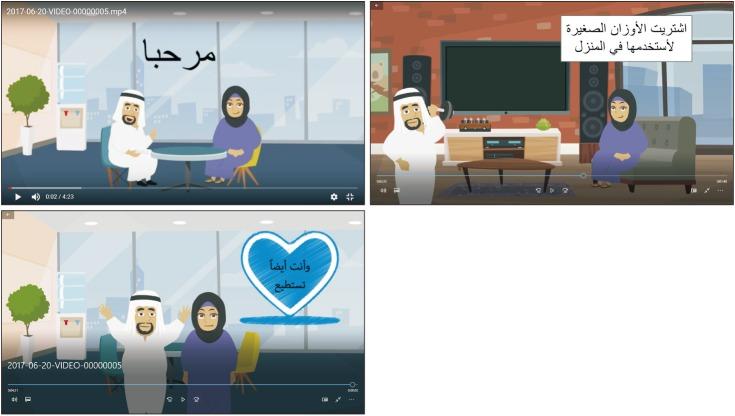
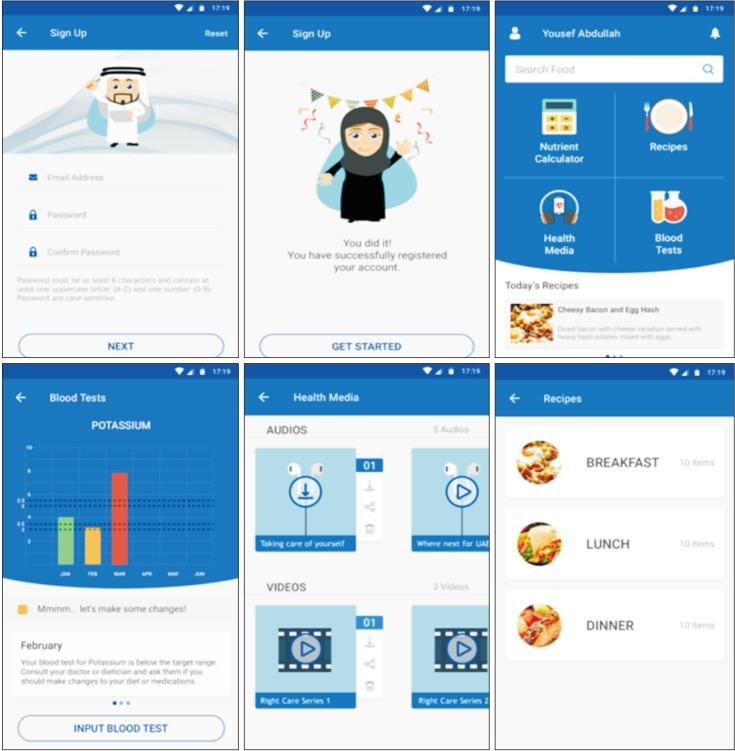
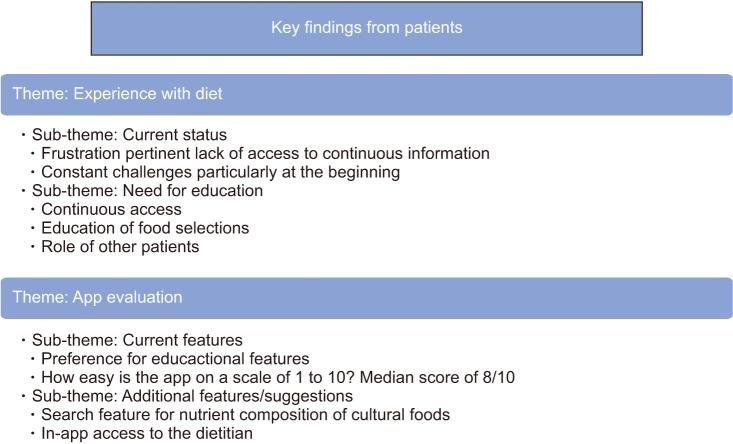
The KELA.AE app, which includes a self-monitoring feature, CKD-friendly recipes, and a theory-based, evidence-based educational feature was developed. Qualitative analysis of interviews revealed two predominant themes from patient interviews 'Experience with the diet', 'App evaluation', and one theme from interviews with healthcare practitioners 'App evaluation'. Patients expressed frustration with current accessibility of dietary information along with the need for educational materials in the app. The review of the KELA.AE prototype was positive overall, and patients reported a willingness to use the app. Healthcare practitioners considered the app accurate, simple, and culturally sensitive but expressed concerns about app misuse and the replacement of healthcare practitioners.
CONCLUSIONS
The KELA.AE app was found to be satisfactory and supportive of the participants' needs. Changes were made to the app as suggested during the interviews.
目的
描述面向讲阿拉伯语的血液透析患者的KELA.AE应用程序以患者为中心、基于理论的逐步开发过程。
方法
采用以患者为驱动、基于理论的逐步方法,为血液透析患者开发一款自我监测和饮食教育应用程序。开发过程遵循整合、设计、评估和共享(IDEAS)框架。对6名血液透析患者和6名医疗保健从业者(营养师和肾病学家)进行了定性的半结构化访谈,以评估对应用程序的需求、使用应用程序的意愿以及应用程序所需的功能。
结果
开发了KELA.AE应用程序,其中包括自我监测功能、适合慢性肾脏病患者的食谱以及基于理论和证据的教育功能。对访谈的定性分析揭示了患者访谈中的两个主要主题“饮食体验”“应用程序评估”,以及医疗保健从业者访谈中的一个主题“应用程序评估”。患者对当前饮食信息的可获取性表示不满,并表示需要应用程序中的教育材料。对KELA.AE原型的审查总体上是积极的,患者表示愿意使用该应用程序。医疗保健从业者认为该应用程序准确、简单且具有文化敏感性,但对应用程序的滥用以及替代医疗保健从业者表示担忧。
结论
发现KELA.AE应用程序令人满意且满足参与者的需求。根据访谈中提出的建议对应用程序进行了修改。

 Zotero 插件