
改善骨科医生手术室的人体工程学设计,以减少与工作相关的肌肉骨骼损伤。
Improving ergonomics in the operating room for orthopaedic surgeons in order to reduce work-related musculoskeletal injuries.
作者信息
Alaqeel Motaz, Tanzer Michael
机构信息
Division of Orthopaedic Surgery, McGill University, Montreal, Quebec, Canada.
出版信息
Ann Med Surg (Lond). 2020 Jun 23;56:133-138. doi: 10.1016/j.amsu.2020.06.020. eCollection 2020 Aug.
INTRODUCTION
Orthopaedic surgery is characterized by surgical tasks that are physical, repetitive and require some degree of stamina from the surgeon. Occupational injuries are alarmingly common in orthopaedic surgery with two-thirds of all surgeons reporting a work-related musculoskeletal (MSK) injury during their career. One of the leading causes of the high level of MSK injuries among orthopaedic surgeon is lack of ergonomics of the operating room. Implementing an ergonomic process has been shown to be effective in reducing the risk of developing MSK disorders in other high-risk industries. We reviewed well-established and effective ergonomic guidelines from the industrial workplace and determined the pertinent principles that could be transferred to the operating room to help reduce the number and severity of common orthopaedic work-related MSK injuries.
METHODS
We reviewed the ergonomic guidelines, primarily from the Occupational Safety and Health Administration (OSHA), that specifically address minimizing the risk of these work-related injuries and that are transferable to the operating room. In addition, the ergonomic guidelines from the Canadian Center for Occupational Health and Safety (CCOHS), the National Institute for Occupational Safety and Health (NIOSH) and the Centers for Disease Control and Prevention (CDC) were reviewed.
RESULTS
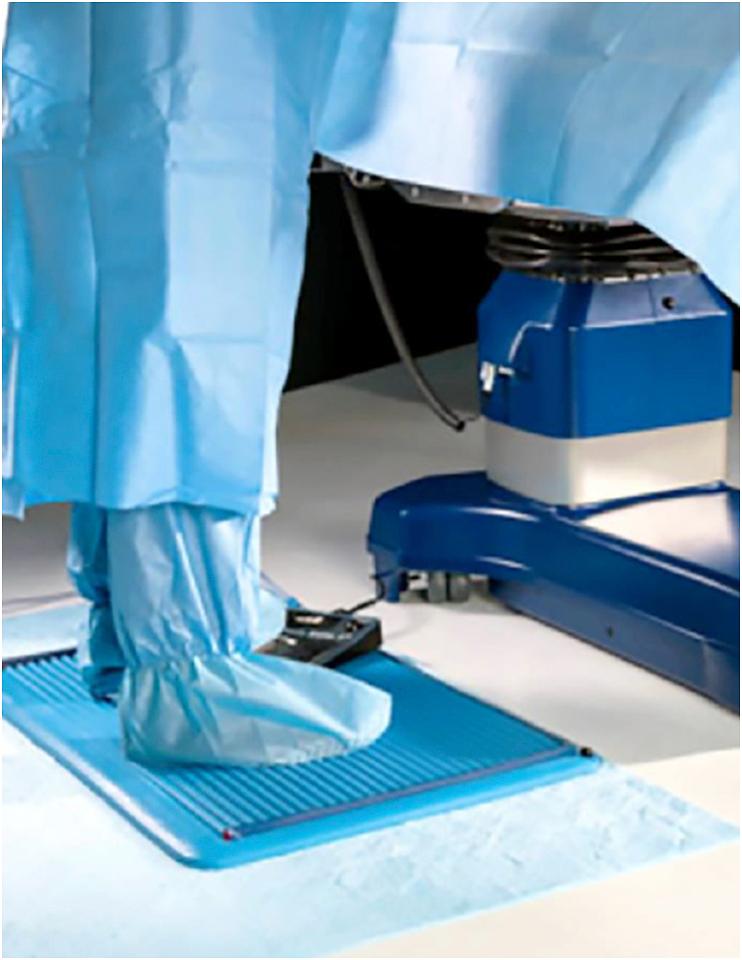
Many of the guidelines to avoid work-related injuries in industry are transferable to the operating room. The pertinent guidelines clearly indicated how to adjust the height of the operating table, the proper design of hand and power tools and the modifications to the operating room environment that can help prevent injury. These guidelines from industry include maintaining a neutral posture and joint alignment, working with the appropriate hand tools and minimizing the lower extremity fatigue by using the proper footwear and floor mats.
DISCUSSION
Optimizing the occupational environment and utilizing well-established ergonomic principle from industry is both feasible and practical in the operating room to decrease the incidence of musculoskeletal injuries among this high-risk profession. These guidelines are simple, effective and are easy to implement by orthopaedic surgeons in order to minimize their risk of sustaining a work-related injury.
引言
骨科手术的特点是手术任务繁重、重复性高,对外科医生的耐力有一定要求。职业伤害在骨科手术中极为常见,三分之二的外科医生报告在其职业生涯中曾遭受与工作相关的肌肉骨骼损伤。骨科医生中肌肉骨骼损伤高发的主要原因之一是手术室缺乏人体工程学设计。在其他高风险行业,实施人体工程学流程已被证明能有效降低患肌肉骨骼疾病的风险。我们回顾了工业工作场所成熟有效的人体工程学指南,并确定了可应用于手术室的相关原则,以帮助减少常见的与骨科工作相关的肌肉骨骼损伤的数量和严重程度。
方法
我们主要回顾了美国职业安全与健康管理局(OSHA)的人体工程学指南,这些指南专门针对将与工作相关的伤害风险降至最低,且可应用于手术室。此外,还回顾了加拿大职业健康与安全中心(CCOHS)、美国国家职业安全与健康研究所(NIOSH)和疾病控制与预防中心(CDC)的人体工程学指南。
结果
许多避免工业中与工作相关伤害的指南可应用于手术室。相关指南明确指出了如何调整手术台高度、正确设计手动和电动工具以及对手术室环境进行改造以预防伤害。这些来自工业领域的指南包括保持中立姿势和关节对齐、使用合适的手动工具以及通过穿着合适的鞋子和使用地垫来减少下肢疲劳。
讨论
在手术室中优化职业环境并运用工业领域成熟的人体工程学原则,对于减少这一高风险职业中肌肉骨骼损伤的发生率而言,既可行又实用。这些指南简单有效,骨科医生易于实施,以将其遭受与工作相关伤害的风险降至最低。


 Zotero 插件