
从苦皮藤根中提取的甲氧基醌 Celastrol 通过相互关联的机制抑制 COVID-19 的主要蛋白酶 3CL 并充当超氧自由基清除剂。
Interrelated Mechanism by Which the Methide Quinone Celastrol, Obtained from the Roots of , Inhibits Main Protease 3CL of COVID-19 and Acts as Superoxide Radical Scavenger.
机构信息
Department of Chemistry, Vassar College, Poughkeepsie, NY 12604, USA.
出版信息
Int J Mol Sci. 2020 Dec 4;21(23):9266. doi: 10.3390/ijms21239266.
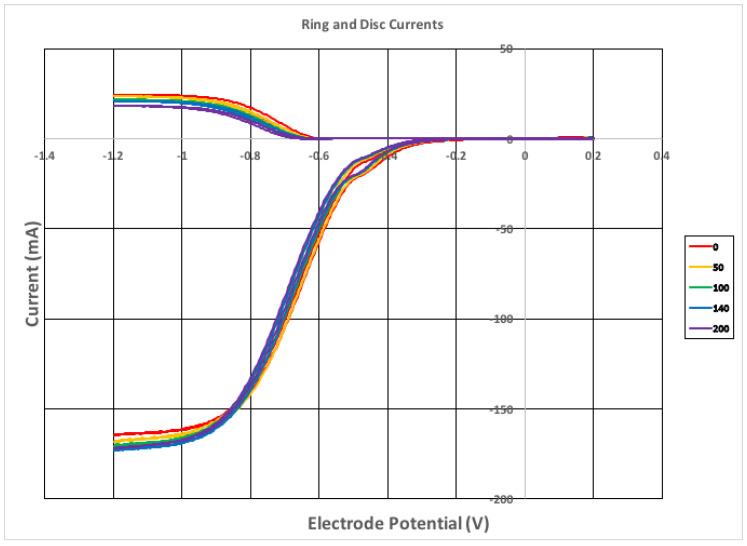
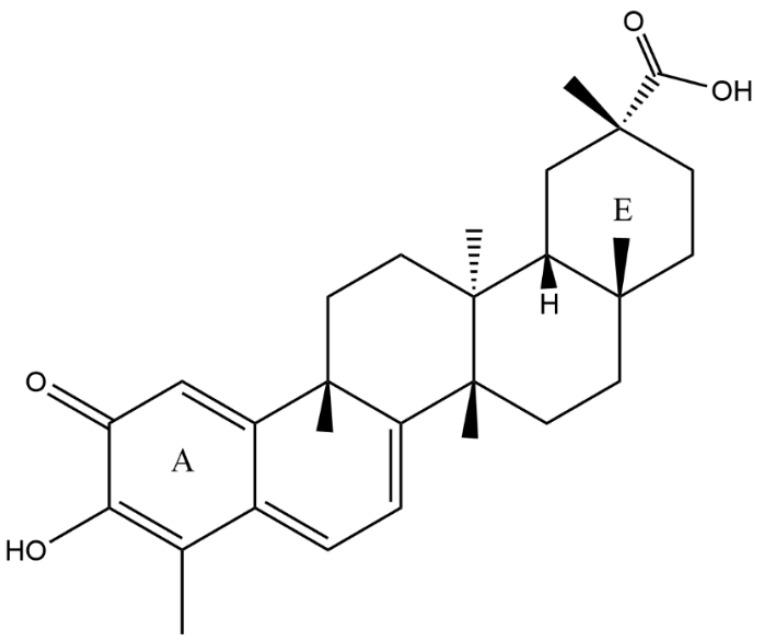
We describe the potential anti coronavirus disease 2019 (COVID-19) action of the methide quinone inhibitor, celastrol. The related methide quinone dexamethasone is, so far, among COVID-19 medications perhaps the most effective drug for patients with severe symptoms. We observe a parallel redox biology behavior between the antioxidant action of celastrol when scavenging the superoxide radical, and the adduct formation of celastrol with the main COVID-19 protease. The related molecular mechanism is envisioned using molecular mechanics and dynamics calculations. It proposes a covalent bond between the S(Cys145) amino acid thiolate and the celastrol A ring, assisted by proton transfers by His164 and His41 amino acids, and a π interaction from Met49 to the celastrol B ring. Specifically, celastrol possesses two moieties that are able to independently scavenge the superoxide radical: the carboxylic framework located at ring E, and the methide-quinone ring A. The latter captures the superoxide electron, releasing molecular oxygen, and is the feature of interest that correlates with the mechanism of COVID-19 inhibition. This unusual scavenging of the superoxide radical is described using density functional theory (DFT) methods, and is supported experimentally by cyclic voltammetry and X-ray diffraction.
我们描述了甲基金醌抑制剂雷公藤红素在防治 2019 年冠状病毒病(COVID-19)方面的潜在作用。相关的甲基金醌地塞米松是目前 COVID-19 治疗药物中,针对重症患者最有效的药物之一。我们观察到,雷公藤红素在清除超氧自由基时的抗氧化作用,以及与主要 COVID-19 蛋白酶形成加合物的行为之间存在平行的氧化还原生物学行为。利用分子力学和动力学计算来预测相关的分子机制。该机制提出了一个由半胱氨酸残基(Cys145)上的巯基与雷公藤红素 A 环之间形成的共价键,由 His164 和 His41 氨基酸的质子转移辅助形成,以及 Met49 与雷公藤红素 B 环之间的π相互作用。具体来说,雷公藤红素具有两个能够独立清除超氧自由基的部分:位于环 E 的羧酸骨架,以及甲基金醌环 A。后者捕获超氧自由基的电子,释放出分子氧,这是与 COVID-19 抑制机制相关的有趣特征。这种超氧自由基的清除作用是使用密度泛函理论(DFT)方法描述的,并通过循环伏安法和 X 射线衍射实验得到了支持。



 Zotero 插件