
激光辅助角膜磨镶术的并发症。
Complications of laser-assisted keratomileusis.
机构信息
Department of Ophthalmology, Lady Hardinge Medical College, New Delhi, India.
Dr. Rajendra Prasad Centre for Ophthalmic Sciences, All India Institute of Medical Sciences, New Delhi, India.
出版信息
Indian J Ophthalmol. 2021 Jul;69(7):1658-1669. doi: 10.4103/ijo.IJO_1872_20.
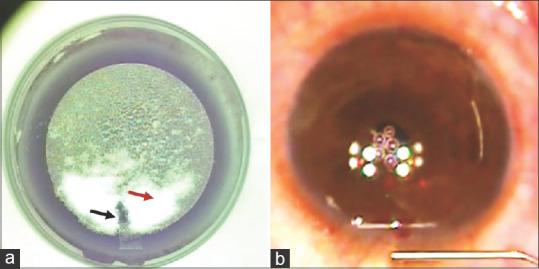
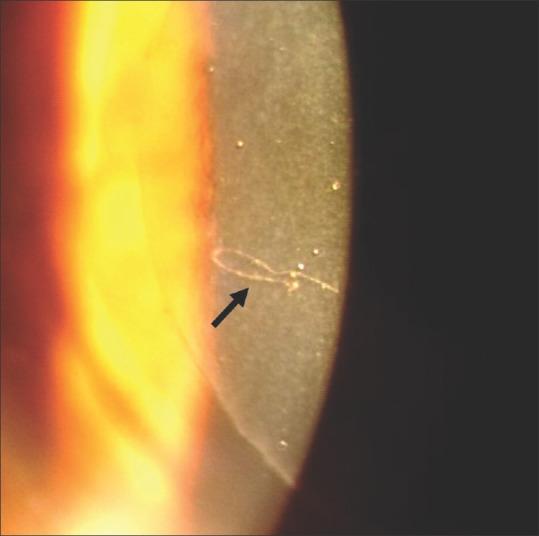
Laser-assisted in situ keratomileusis (LASIK) is one of the most commonly performed kerato-refractive surgery globally. Since its introduction in 1990, there has been a constant evolution in its technology to improve the visual outcome. The safety, efficacy, and predictability of LASIK are well known, but complications with this procedure, although rare, are not unknown. Literature review suggests that intraoperative complications include suction loss, free cap, flap tear, buttonhole flap, decentered ablation, central island, interface debris, femtosecond laser-related complications, and others. The postoperative complications include flap striae, flap dislocation, residual refractive error, diffuse lamellar keratitis, microbial keratitis, epithelial ingrowth, refractive regression, corneal ectasia, and others. This review aims to provide a comprehensive knowledge of risk factors, clinical features, and management protocol of all the reported complications of LASIK. This knowledge will help in prevention as well as early identification and timely intervention with the appropriate strategy for achieving optimal visual outcome even in the face of complications.
激光辅助原位角膜磨镶术(LASIK)是目前全球应用最广泛的角膜屈光手术之一。自 1990 年引入以来,其技术一直在不断发展,以改善手术效果。LASIK 的安全性、有效性和可预测性是众所周知的,但该手术也存在一些并发症,尽管罕见,但并非未知。文献回顾表明,术中并发症包括吸力损失、游离帽、瓣撕裂、纽扣瓣、偏心消融、中央岛、界面碎屑、飞秒激光相关并发症等。术后并发症包括瓣条纹、瓣脱位、残余屈光不正、弥漫性层间角膜炎、细菌性角膜炎、上皮内植入、屈光回退、角膜扩张等。本综述旨在全面了解 LASIK 所有报道的并发症的危险因素、临床特征和管理方案。这些知识有助于预防,并能早期识别和及时干预,采取适当的策略,以实现最佳的视觉效果,即使在出现并发症的情况下也能如此。




 Zotero 插件