
伊比利亚半岛的蚁形复合体——基于栖息地适宜性建模对一种地方特有物种保护的见解(双翅目:舞虻科)
The Ant-like Complex in the Iberian Peninsula-Insights from Habitat Suitability Modelling for the Conservation of an Endemism (Diptera: Hybotidae).
作者信息
Gonçalves Ana Rita, Vila-Viçosa Carlos, Gonçalves João
机构信息
Programa de Pós-Graduação em Entomologia, Instituto Nacional de Pesquisas da Amazônia, Av. André Araújo, 2936, Petrópolis, CP 478, Manaus CEP 69011-970, Brazil.
CIBIO (Research Center in Biodiversity and Genetic Resources)-InBIO (Research Network in Biodiversity and Evolutionary Biology), University of Porto, Campus Agrário de Vairão, Rua Padre Armando Quintas, 4485-661 Vairão, Portugal.
出版信息
Insects. 2021 Nov 29;12(12):1068. doi: 10.3390/insects12121068.
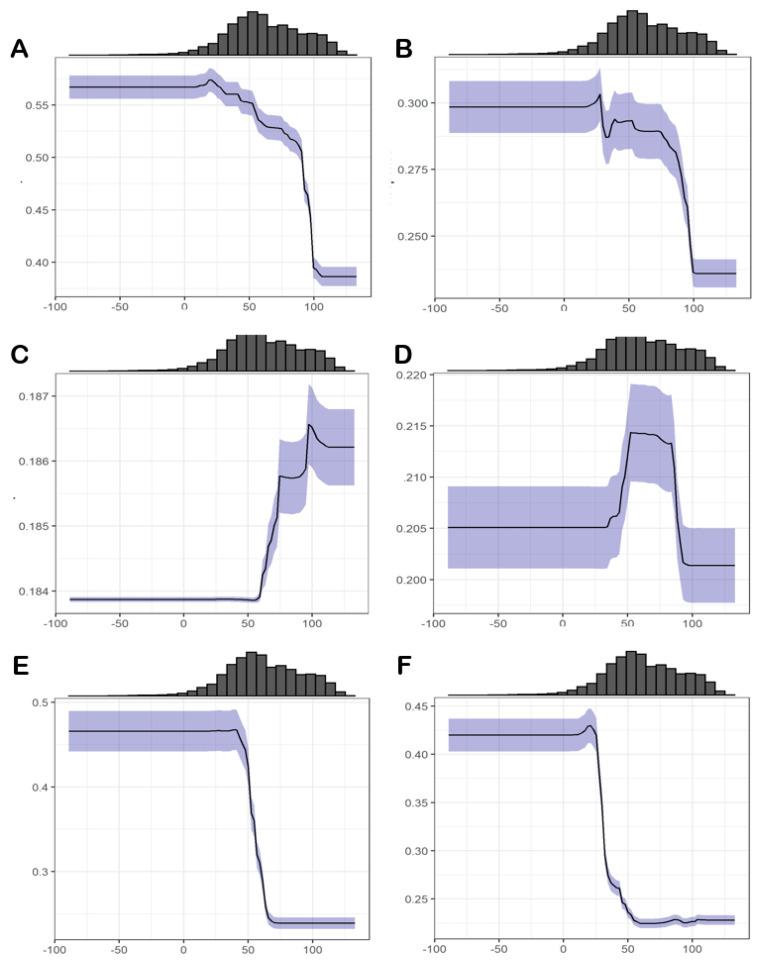
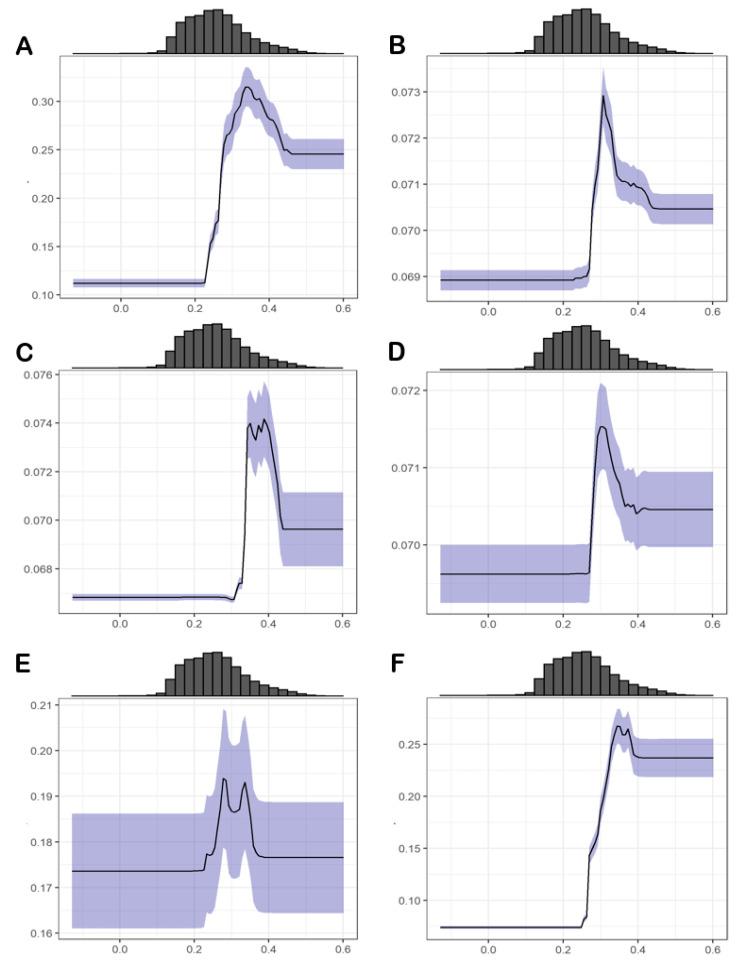
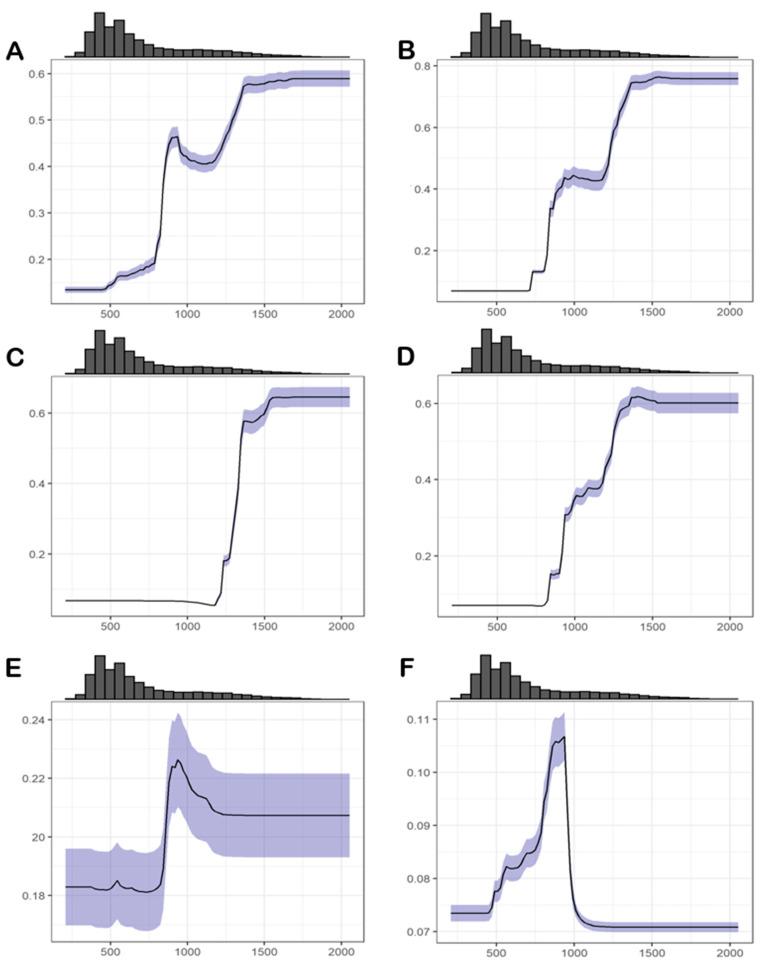
Ant-like flies comprise nine Iberian endemic species of flightless . Severe knowledge gaps on distribution and ecological requirements hinder conservation assessments. Species distribution models were applied to unveil habitat suitability and to provide guidelines for future studies. An ensemble modeling approach combining ten different techniques was implemented with the biomod2 package. Occurrence data was partitioned into six sets, including two multi-species groups and four species. The most relevant drivers of habitat suitability are climate-related, followed by forest type and structure, according to well-defined biogeographic gradients. and are adapted to mild temperatures and high-humidity environments. Their distribution is connected to the Temperate-Eurosiberian life zone. and are adapted to progressively drier and hotter central and southern parts of the Iberian Peninsula, connected to transitional Temperate-submediterranean areas. Ant-like fly' ranges overlap with deciduous/marcescent oak species, acting as suitable indicators of their presence in Iberia. Southern marcescent forests emerge as "islands" with particular interest for future prospections. Ant-like flies are threatened by several factors such as climate change and habitat destruction, including urbanization and forest fires. This study provides vital tools to better assess the ant-like flies' conservation status and to manage their habitat.
蚁形蝇包括9种伊比利亚特有的不会飞的物种。在分布和生态需求方面存在严重的知识空白,这阻碍了保护评估。应用物种分布模型来揭示栖息地适宜性,并为未来的研究提供指导。使用biomod2软件包实施了一种结合十种不同技术的集成建模方法。出现数据被划分为六组,包括两个多物种组和四个物种。根据明确的生物地理梯度,栖息地适宜性的最相关驱动因素与气候有关,其次是森林类型和结构。[此处原文缺失两种蚁形蝇的具体名称]适应温和的温度和高湿度环境。它们的分布与温带-欧亚西伯利亚生物带相关。[此处原文缺失两种蚁形蝇的具体名称]适应伊比利亚半岛中部和南部逐渐干燥和炎热的地区,与温带-亚热带过渡地区相关。蚁形蝇的分布范围与落叶/半常绿栎树种重叠,这些树种是它们在伊比利亚半岛存在的合适指示物种。南部的半常绿森林成为未来勘探特别感兴趣的“岛屿”。蚁形蝇受到气候变化和栖息地破坏等多种因素的威胁,包括城市化和森林火灾。这项研究提供了重要工具,以更好地评估蚁形蝇的保护状况并管理它们的栖息地。





 Zotero 插件