
Nutraceutical, thermophysical and textural characteristics of papaya ( L) and incidence for post-harvest management.
作者信息
Arrazola Paternina Guillermo, Villadiego Luna Fernando, Alvis Bermudez Armando
机构信息
Faculty of Engineering, Research Group, Vegetables Agribusiness and Processes, University of Cordoba, Km 3 Via Cerete, Colombia.
出版信息
Heliyon. 2022 Apr 4;8(4):e09231. doi: 10.1016/j.heliyon.2022.e09231. eCollection 2022 Apr.
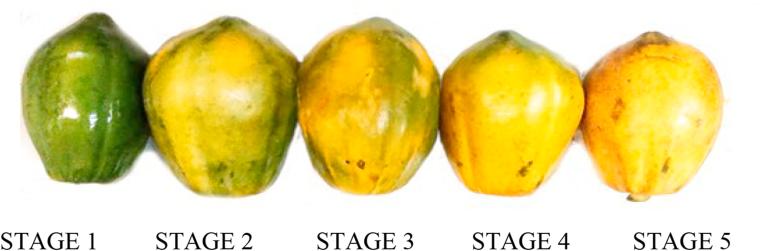
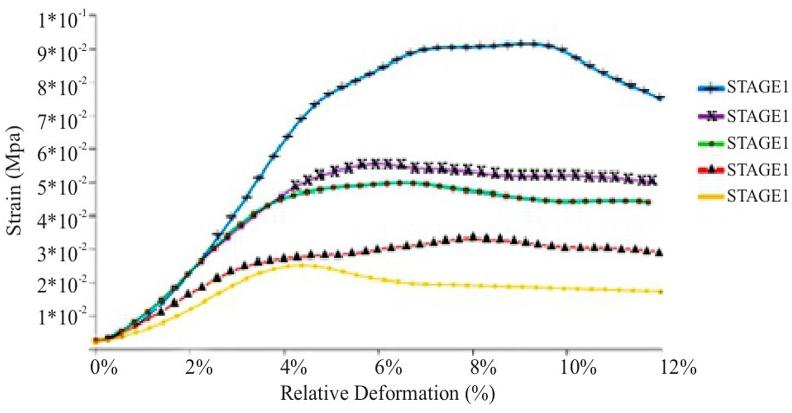
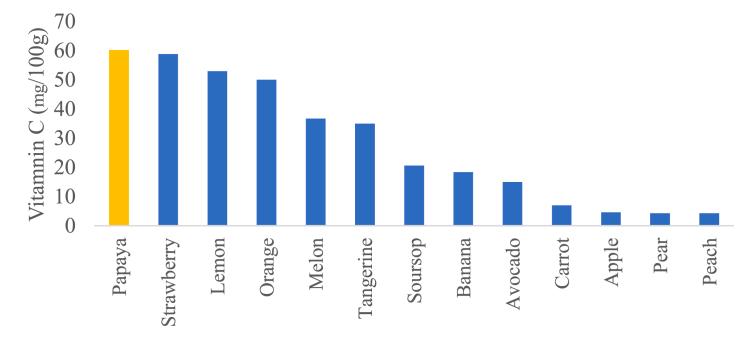
Papaya fruit is of great importance to local trade. The objective of this research was to evaluate the textural, thermophysical and nutraceutical characteristics (Total phenolic and vitamin C) of fruit cultivated in the Colombian Caribbean in the post-harvest period. Five ripening stage levels were used as a treatment factor. The puncture method was used to measure the firmness of the shell (N) and firmness of the pulp (N) using uniaxial compression tests to measure the deformability modulus (MPa) and elasticity limit (MPa). The thermophysical parameters: thermal conductivity (k), density (ρ), diffusivity (∝) and specific heat (Cp) were calculated using the adjusted math model. The shell firmness decreased from ripening stage one to ripening stage five. The total phenolic content did not conform to a certain model and presented an inversely proportional relationship with the ripening stage. The vitamin C content was directly proportional to the ripening stage and was adjusted to a double quadratic behavior with a coefficient of determination.





 Zotero 插件