
从健康粪便供体中分离出的黏液降解肠道共生菌可抑制肠道上皮炎症并调节紧密连接屏障功能。
Mucin-degrading gut commensals isolated from healthy faecal donor suppress intestinal epithelial inflammation and regulate tight junction barrier function.
机构信息
Department of Microbiology, Faculty of Medicine, The Chinese University of Hong Kong, Shatin, Hong Kong SAR, China.
Centre for Gut Microbiota Research, Faculty of Medicine, The Chinese University of Hong Kong, Shatin, Hong Kong SAR, China.
出版信息
Front Immunol. 2022 Oct 12;13:1021094. doi: 10.3389/fimmu.2022.1021094. eCollection 2022.
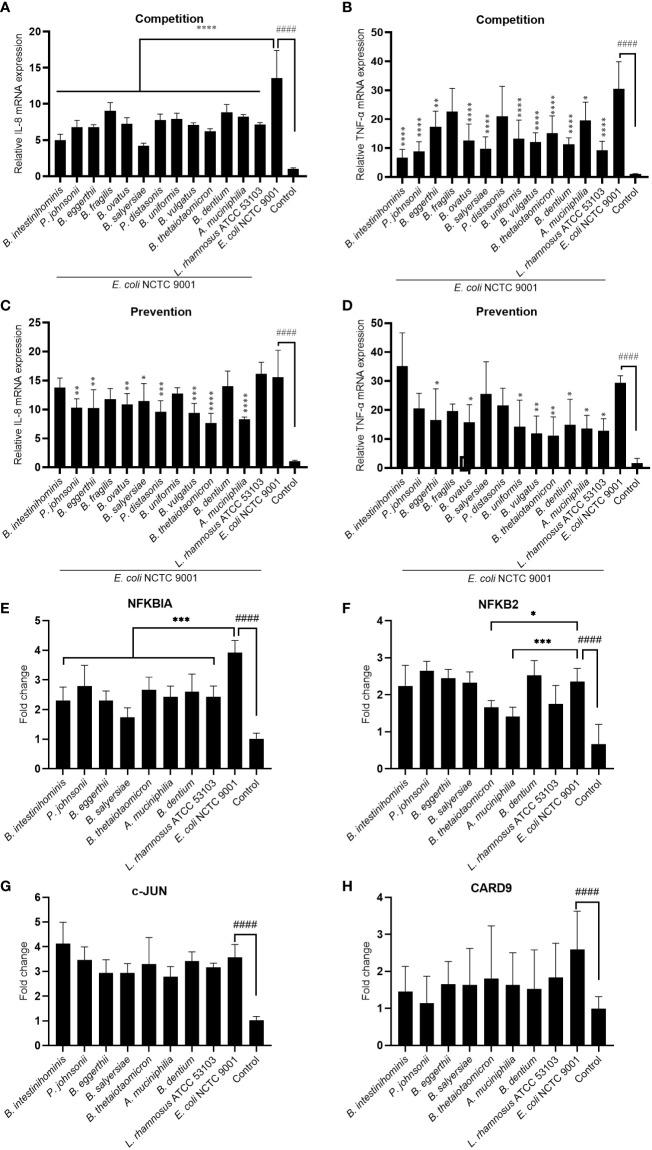
The intestinal epithelium surface is covered by a layer of mucus that harbors a complex and dynamic population of bacteria termed gut microbiota. In particular, some gut bacteria have the ability to degrade the mucin glycan for nutritional sources. However, the bacterial diversity of mucin-degrading bacteria in human gut microbiota and their role in the gut remains unclear. In this study, we characterized the diversity of mucin-degrading bacteria in the human gut microbiota by an established cultivation-based molecular profiling method. The results showed the gut commensals having the mucin degrading ability were widely distributed in the gut microbiota and were more abundant than previously thought. In addition, many previously uncharacterized mucin degraders were isolated from faecals samples, suggesting the mucin-degrading gut commensals were underappreciated. To gain a better understanding of the interaction between these mucin-degrading gut commensals and the host, the effect of the commensals on intestinal epithelial cells were examined, and the results revealed that the commensals (8 spp., 2 spp, and ) incited low level of inflammatory response (IL-8 and TNF-α) but suppressed the inflammatory response induced by through downregulating the NF-κB pathway. The presence of gut commensals also showed potential in enhancing the epithelial tight junction (TJ) barrier function through regulating the mRNA expression of TJ protein genes such as Zo-1, Occludin, Claudin-1 and E-cadherin. Furthermore, the presence of commensal bacteria , and completely or partly restored the pro-inflammatory cytokine IL-1β induced TJ barrier disruption. In conclusion, these findings indicate that mucin-degrading gut commensals were widely distributed in the gut microbiota and showed anti-inflammatory effect against pathogen infection and potential in modulating the epithelial barrier function.
肠上皮表面覆盖着一层黏液,其中栖息着复杂而动态的细菌群体,称为肠道微生物群。特别是,一些肠道细菌具有降解黏蛋白聚糖作为营养源的能力。然而,人类肠道微生物群中黏蛋白降解细菌的多样性及其在肠道中的作用尚不清楚。在这项研究中,我们通过一种已建立的基于培养的分子分析方法来描述人类肠道微生物群中黏蛋白降解细菌的多样性。结果表明,具有黏蛋白降解能力的肠道共生菌广泛分布在肠道微生物群中,其丰度高于先前的预期。此外,许多以前未被描述的黏蛋白降解菌从粪便样本中分离出来,这表明黏蛋白降解的肠道共生菌被低估了。为了更好地了解这些黏蛋白降解的肠道共生菌与宿主之间的相互作用,研究了共生菌对肠道上皮细胞的影响,结果表明,共生菌(8 种、2 种和)引起低水平的炎症反应(IL-8 和 TNF-α),但通过下调 NF-κB 途径抑制了由引起的炎症反应。肠道共生菌的存在也显示出通过调节紧密连接(TJ)蛋白基因如 Zo-1、Occludin、Claudin-1 和 E-cadherin 的 mRNA 表达来增强上皮 TJ 屏障功能的潜力。此外,共生菌、和完全或部分恢复了促炎细胞因子 IL-1β 诱导的 TJ 屏障破坏。总之,这些发现表明,黏蛋白降解的肠道共生菌广泛分布在肠道微生物群中,对病原体感染具有抗炎作用,并具有调节上皮屏障功能的潜力。




 Zotero 插件