
通过早期检测电解质溶剂产生的蒸气来开发用于锂离子电池安全评估的 2-in-1 传感器。
Development of 2-in-1 Sensors for the Safety Assessment of Lithium-Ion Batteries via Early Detection of Vapors Produced by Electrolyte Solvents.
机构信息
Department for Materials Science─Functional Nanomaterials, Faculty of Engineering, Christian-Albrechts-University of Kiel, Kaiserstraße 2, D-24143 Kiel, Germany.
Department of Microelectronics and Biomedical Engineering, Center for Nanotechnology and Nanosensors, Technical University of Moldova, 168 Stefan cel Mare Avenue, MD-2004 Chişinău, Republic of Moldova.
出版信息
ACS Appl Mater Interfaces. 2023 Jun 7;15(22):27340-27356. doi: 10.1021/acsami.3c03564. Epub 2023 May 26.
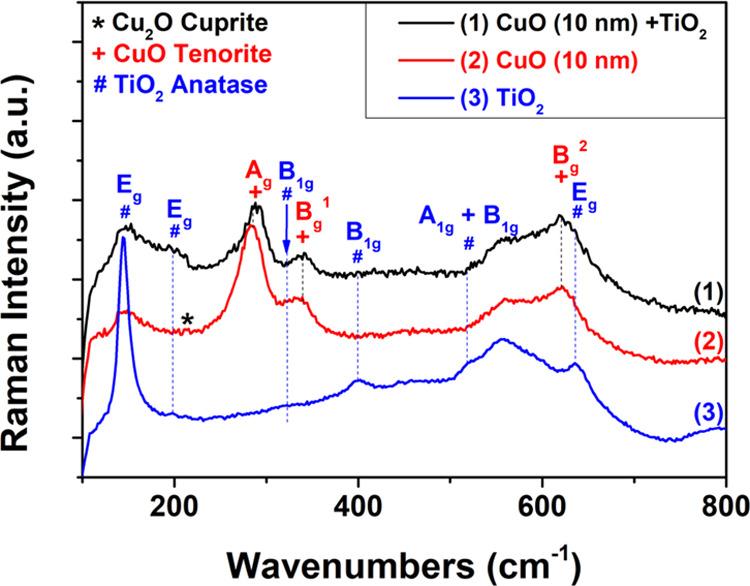
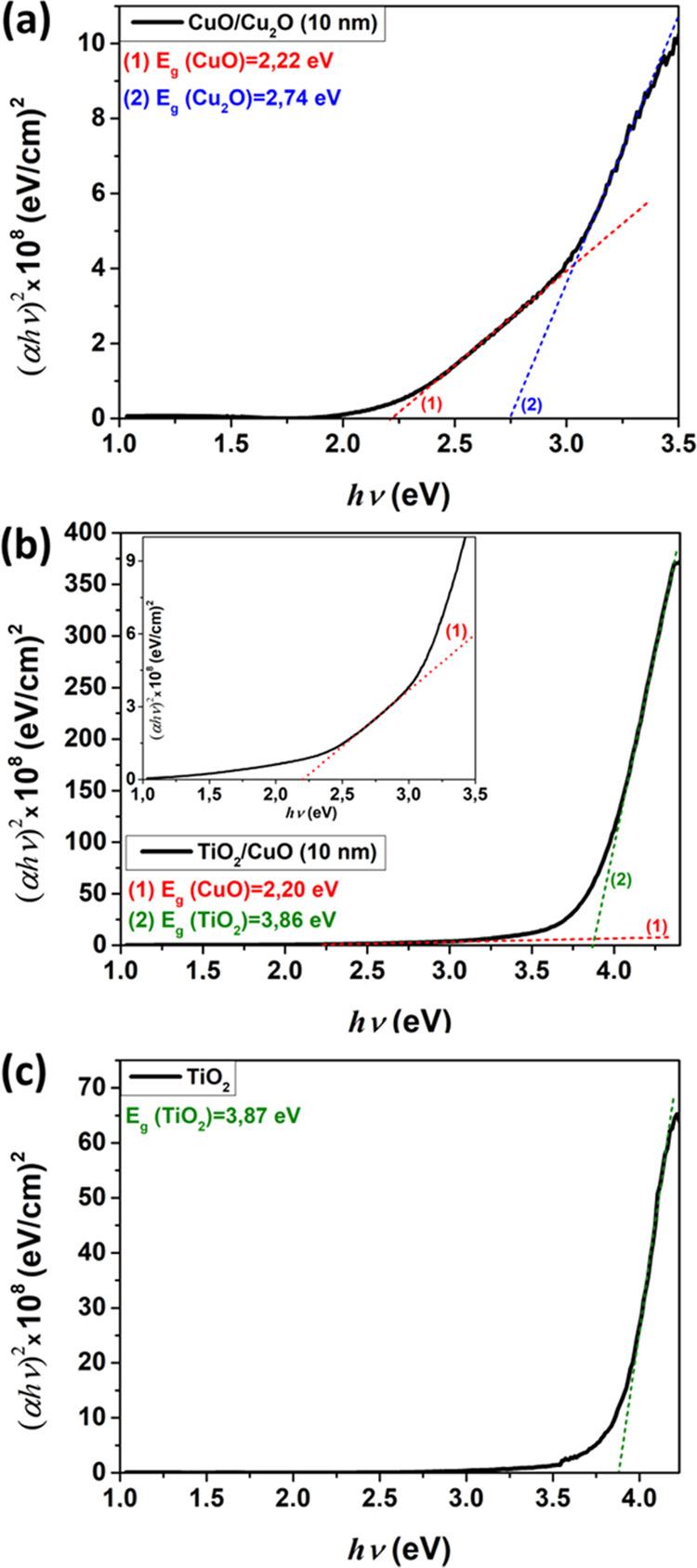
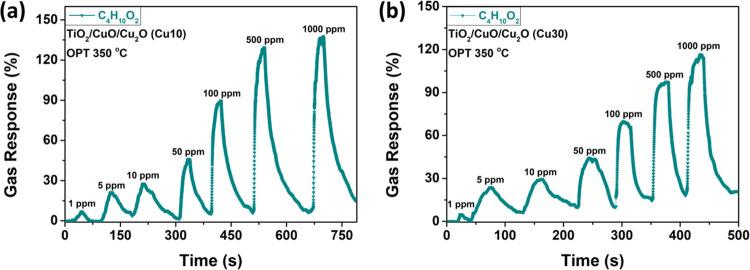
Batteries play a critical role in achieving zero-emission goals and in the transition toward a more circular economy. Ensuring battery safety is a top priority for manufacturers and consumers alike, and hence is an active topic of research. Metal-oxide nanostructures have unique properties that make them highly promising for gas sensing in battery safety applications. In this study, we investigate the gas-sensing capabilities of semiconducting metal oxides for detecting vapors produced by common battery components, such as solvents, salts, or their degassing products. Our main objective is to develop sensors capable of early detection of common vapors produced by malfunctioning batteries to prevent explosions and further safety hazards. Typical electrolyte components and degassing products for the Li-ion, Li-S, or solid-state batteries that were investigated in this study include 1,3-dioxololane (CHO─DOL), 1,2-dimethoxyethane (CHO─DME), ethylene carbonate (CHO─EC), dimethyl carbonate (CHO─DMC), lithium bis(trifluoromethanesulfonyl)imide (LiTFSI), lithium nitrate (LiNO) salts in a mixture of DOL and DME, lithium hexafluorophosphate (LiPF), nitrogen dioxide (NO), and phosphorous pentafluoride (PF). Our sensing platform was based on ternary and binary heterostructures consisting of TiO(111)/CuO(1̅11)/CuO(111) and CuO(1̅11)/CuO(111), respectively, with various CuO layer thicknesses (10, 30, and 50 nm). We have analyzed these structures using scanning electron microscopy (SEM), energy-dispersive X-ray spectroscopy (EDX), micro-Raman spectroscopy, and ultraviolet-visible (UV-vis) spectroscopy. We found that the sensors reliably detected DME CHO vapors up to a concentration of 1000 ppm with a gas response of 136%, and concentrations as low as 1, 5, and 10 ppm with response values of approximately 7, 23, and 30%, respectively. Our devices can serve as 2-in-1 sensors, functioning as a temperature sensor at low operating temperatures and as a gas sensor at temperatures above 200 °C. Density functional theory calculations were also employed to study the adsorption of the vapors produced by battery solvents or their degassing products, as well as water, to investigate the impact of humidity. PF and CHO showed the most exothermic molecular interactions, which are consistent with our gas response investigations. Our results indicate that humidity does not impact the performance of the sensors, which is crucial for the early detection of thermal runaway under harsh conditions in Li-ion batteries. We show that our semiconducting metal-oxide sensors can detect the vapors produced by battery solvents and degassing products with high accuracy and can serve as high-performance battery safety sensors to prevent explosions in malfunctioning Li-ion batteries. Despite the fact that the sensors work independently of the type of battery, the work presented here is of particular interest for the monitoring of solid-state batteries, since DOL is a solvent typically used in this type of batteries.
电池在实现零排放目标和向更循环经济过渡方面发挥着关键作用。确保电池安全是制造商和消费者的首要任务,因此也是一个活跃的研究课题。金属氧化物纳米结构具有独特的性质,使其在电池安全应用中的气体传感方面极具前景。在这项研究中,我们研究了半导体金属氧化物用于检测常见电池组件(如溶剂、盐或其脱气产物)产生的蒸气的气体传感能力。我们的主要目标是开发能够早期检测由故障电池产生的常见蒸气的传感器,以防止爆炸和进一步的安全隐患。本研究中研究的锂离子、锂硫或固态电池的典型电解质成分和脱气产物包括 1,3-二氧戊环(CHO─DOL)、1,2-二甲氧基乙烷(CHO─DME)、碳酸乙烯酯(CHO─EC)、碳酸二甲酯(CHO─DMC)、双(三氟甲烷磺酰基)亚胺锂(LiTFSI)、硝酸锂(LiNO)在 DOL 和 DME 的混合物中、六氟磷酸锂(LiPF)、二氧化氮(NO)和五氟化磷(PF)。我们的传感平台基于由 TiO(111)/CuO(1̅11)/CuO(111)和 CuO(1̅11)/CuO(111)组成的三元和二元异质结构,具有不同的 CuO 层厚度(10、30 和 50nm)。我们使用扫描电子显微镜(SEM)、能量色散 X 射线光谱(EDX)、微拉曼光谱和紫外-可见(UV-vis)光谱对这些结构进行了分析。我们发现,这些传感器能够可靠地检测到高达 1000ppm 浓度的 DME CHO 蒸气,其气体响应为 136%,浓度低至 1、5 和 10ppm 时,响应值分别约为 7、23 和 30%。我们的器件可以作为 2-in-1 传感器,在较低的工作温度下作为温度传感器,在高于 200°C 的温度下作为气体传感器。还采用密度泛函理论计算研究了电池溶剂或其脱气产物以及水产生的蒸气的吸附,以研究湿度的影响。PF 和 CHO 表现出最放热的分子相互作用,这与我们的气体响应研究一致。我们的结果表明,湿度不会影响传感器的性能,这对于在锂离子电池恶劣条件下早期检测热失控至关重要。我们表明,我们的半导体金属氧化物传感器可以高精度地检测电池溶剂和脱气产物产生的蒸气,并且可以用作高性能电池安全传感器,以防止锂离子电池故障时发生爆炸。尽管传感器独立于电池类型工作,但对于监测固态电池,本工作特别有趣,因为 DOL 通常是这种电池类型中使用的溶剂。







 Zotero 插件