
基于肌电图的上肢康复机器人对脑卒中患者的影响:系统评价与荟萃分析
Effects of EMG-based robot for upper extremity rehabilitation on post-stroke patients: a systematic review and meta-analysis.
作者信息
Huo Yunxia, Wang Xiaohan, Zhao Weihua, Hu Huijing, Li Le
机构信息
Institute of Medical Research, Northwestern Polytechnical University, Xi'an, China.
Research & Development Institute of Northwestern Polytechnical University in Shenzhen, Shenzhen, China.
出版信息
Front Physiol. 2023 May 3;14:1172958. doi: 10.3389/fphys.2023.1172958. eCollection 2023.
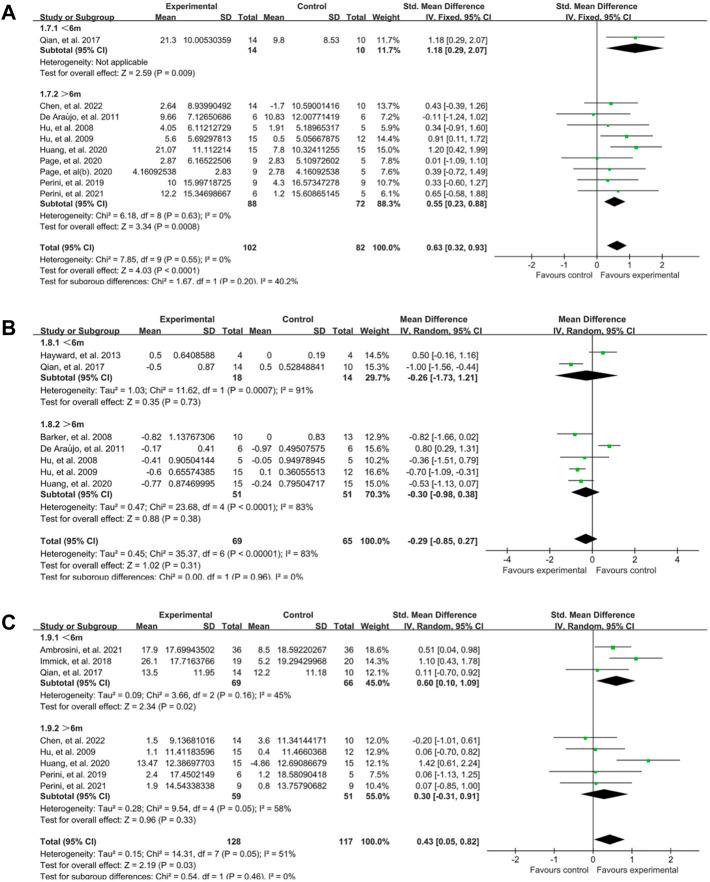
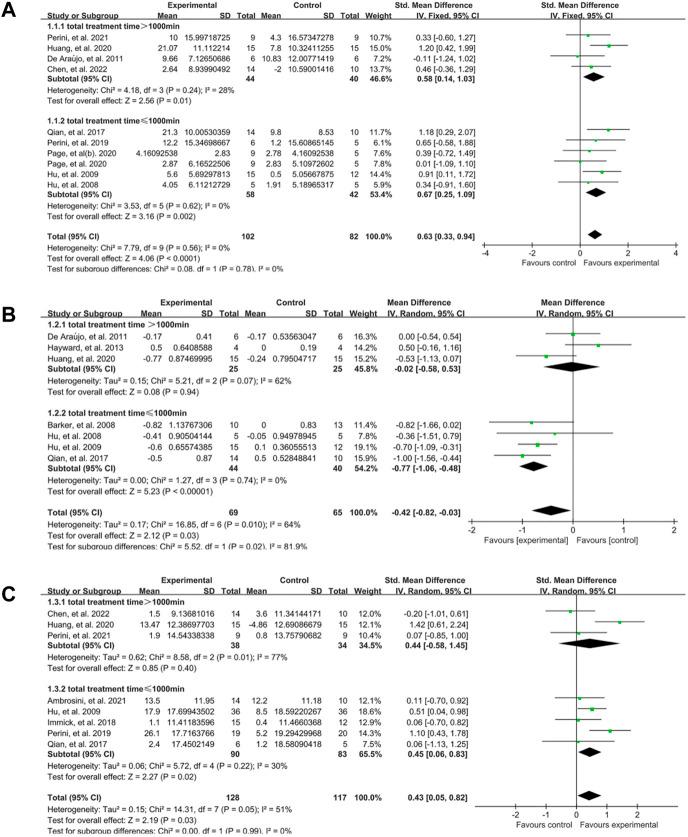
A growing body of research shows the promise and efficacy of EMG-based robot interventions in improving the motor function in stroke survivors. However, it is still controversial whether the effect of EMG-based robot is more effective than conventional therapies. This study focused on the effects of EMG-based robot on upper limb motor control, spasticity and activity limitation in stroke survivors compared with conventional rehabilitation techniques. We searched electronic databases for relevant randomized controlled trials. Outcomes included Fugl-Meyer assessment scale (FMA), Modified Ashworth Scale (MAS), and activity level. Thirteen studies with 330 subjects were included. The results showed that the outcomes post intervention was significantly improved in the EMG-based robot group. Results from subgroup analyses further revealed that the efficacy of the treatment was better in patients in the subacute stage, those who received a total treatment time of less than 1000 min, and those who received EMG-based robotic therapy combined with electrical stimulation (ES). The effect of EMG-based robot is superior to conventional therapies in terms of improving upper extremity motor control, spasticity and activity limitation. Further research should explore optimal parameters of EMG-based robot therapy and its long-term effects on upper limb function in post-stroke patients. https://www.crd.york.ac.uk/PROSPERO/; Identifier: 387070.
越来越多的研究表明,基于肌电图的机器人干预在改善中风幸存者的运动功能方面具有前景和疗效。然而,基于肌电图的机器人疗法的效果是否比传统疗法更有效仍存在争议。本研究聚焦于与传统康复技术相比,基于肌电图的机器人对中风幸存者上肢运动控制、痉挛和活动受限的影响。我们在电子数据库中检索了相关的随机对照试验。结局指标包括Fugl-Meyer评估量表(FMA)、改良Ashworth量表(MAS)和活动水平。纳入了13项研究,共330名受试者。结果显示,基于肌电图的机器人治疗组干预后的结局有显著改善。亚组分析结果进一步显示,在亚急性期患者、接受总治疗时间少于1000分钟的患者以及接受基于肌电图的机器人治疗联合电刺激(ES)的患者中,治疗效果更好。基于肌电图的机器人在改善上肢运动控制、痉挛和活动受限方面的效果优于传统疗法。进一步的研究应探索基于肌电图的机器人治疗的最佳参数及其对中风后患者上肢功能的长期影响。https://www.crd.york.ac.uk/PROSPERO/;标识符:387070。




 Zotero 插件