Department of Microbiology, Faculty of Medicine, Chiang Mai University , Chiang Mai, Thailand.
Center of Excellence in Vaccine Research and Development, Faculty of Medicine, Chulalongkorn University , Bangkok, Thailand.
J Virol. 2023 Nov 30;97(11):e0096323. doi: 10.1128/jvi.00963-23. Epub 2023 Oct 17.
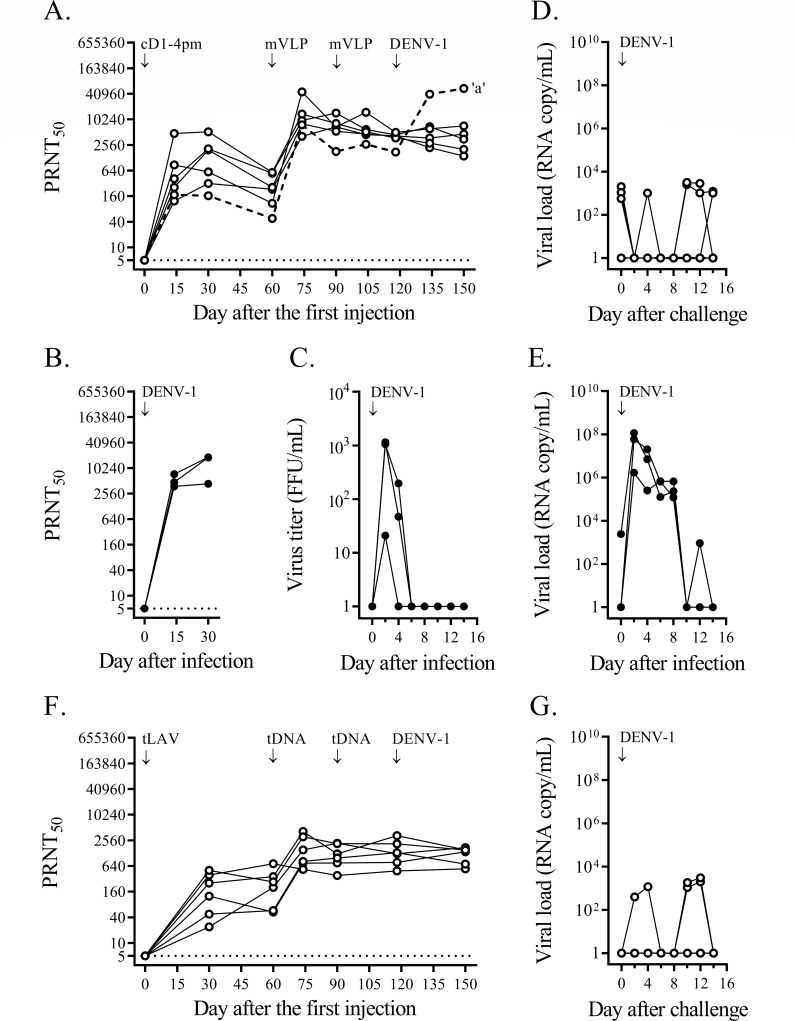
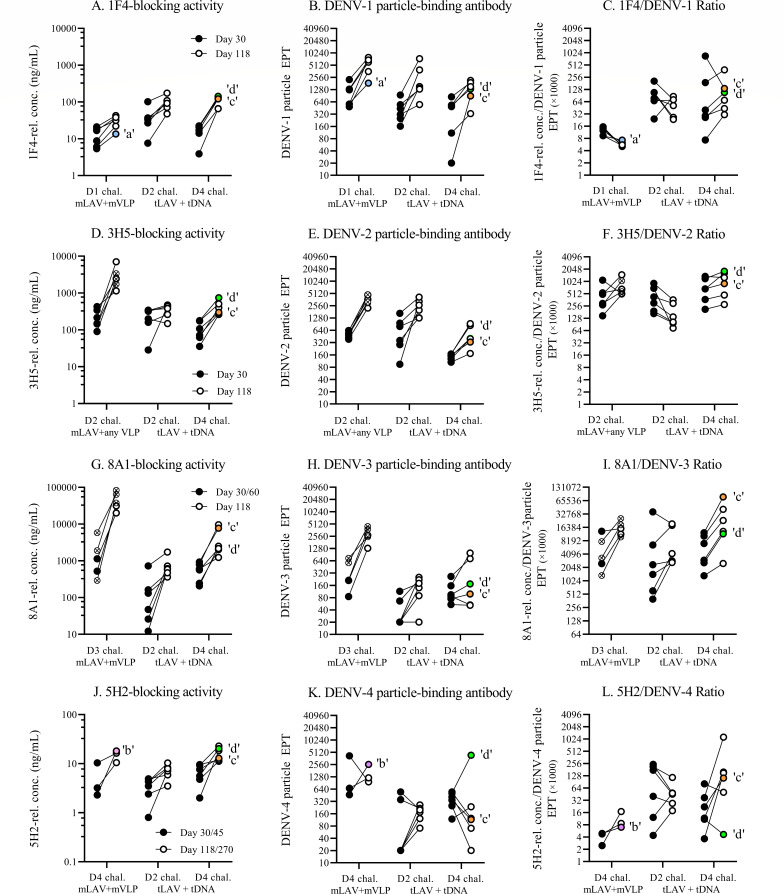
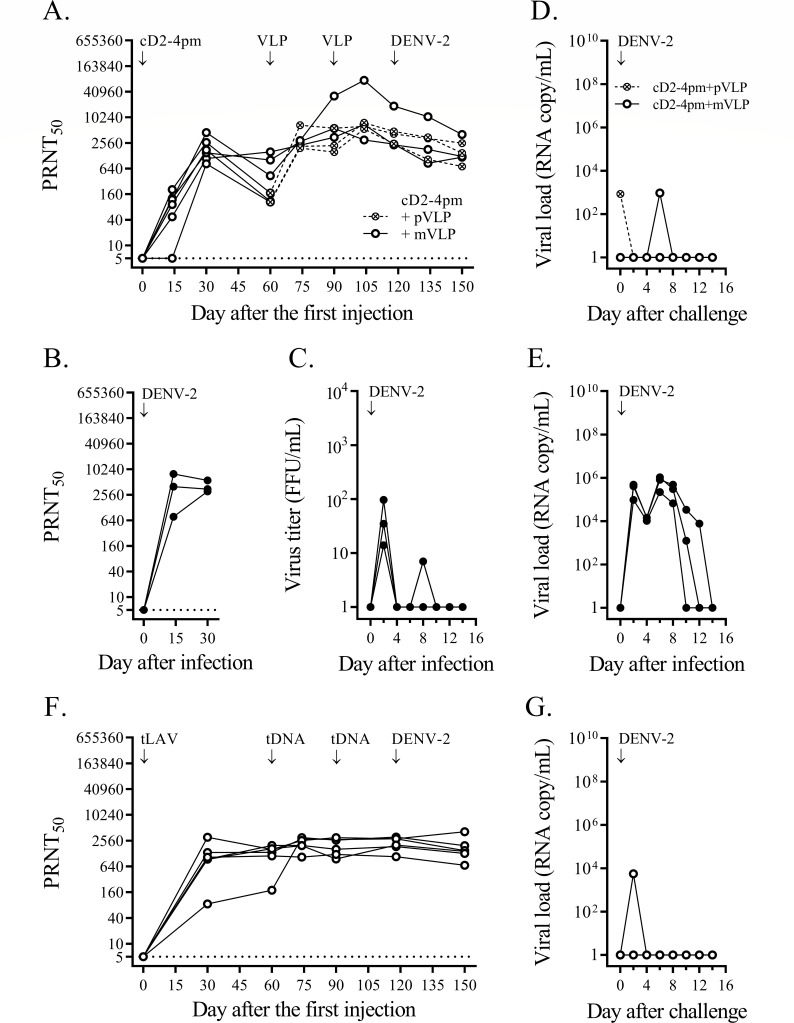
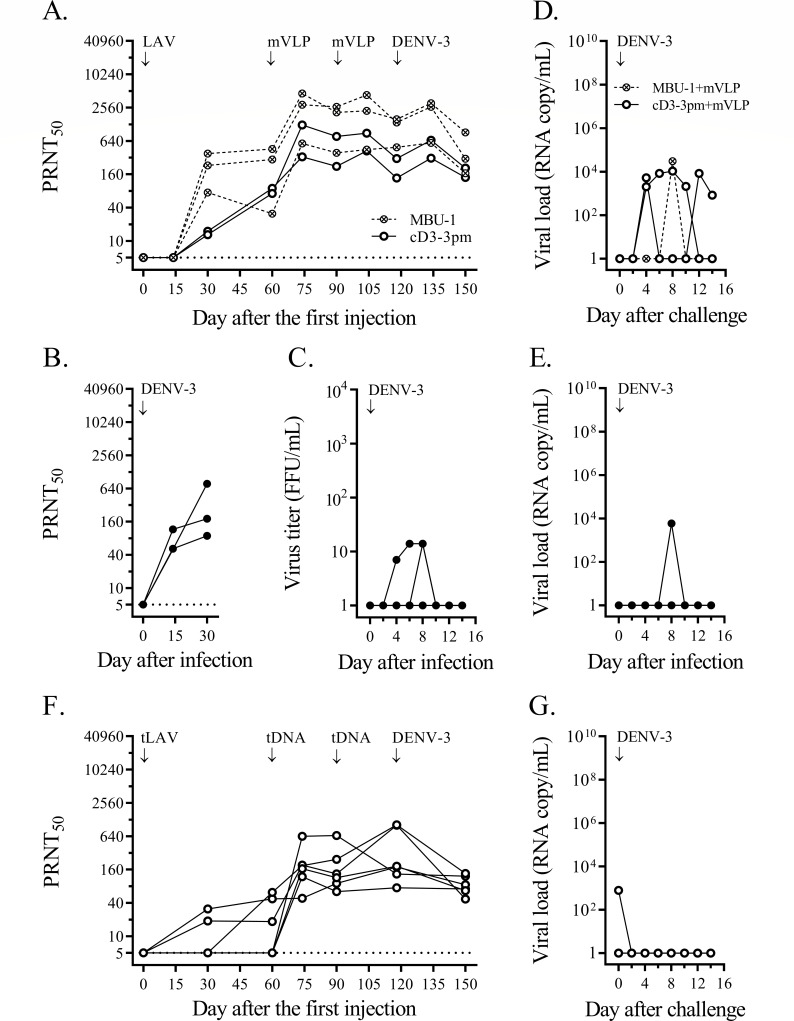
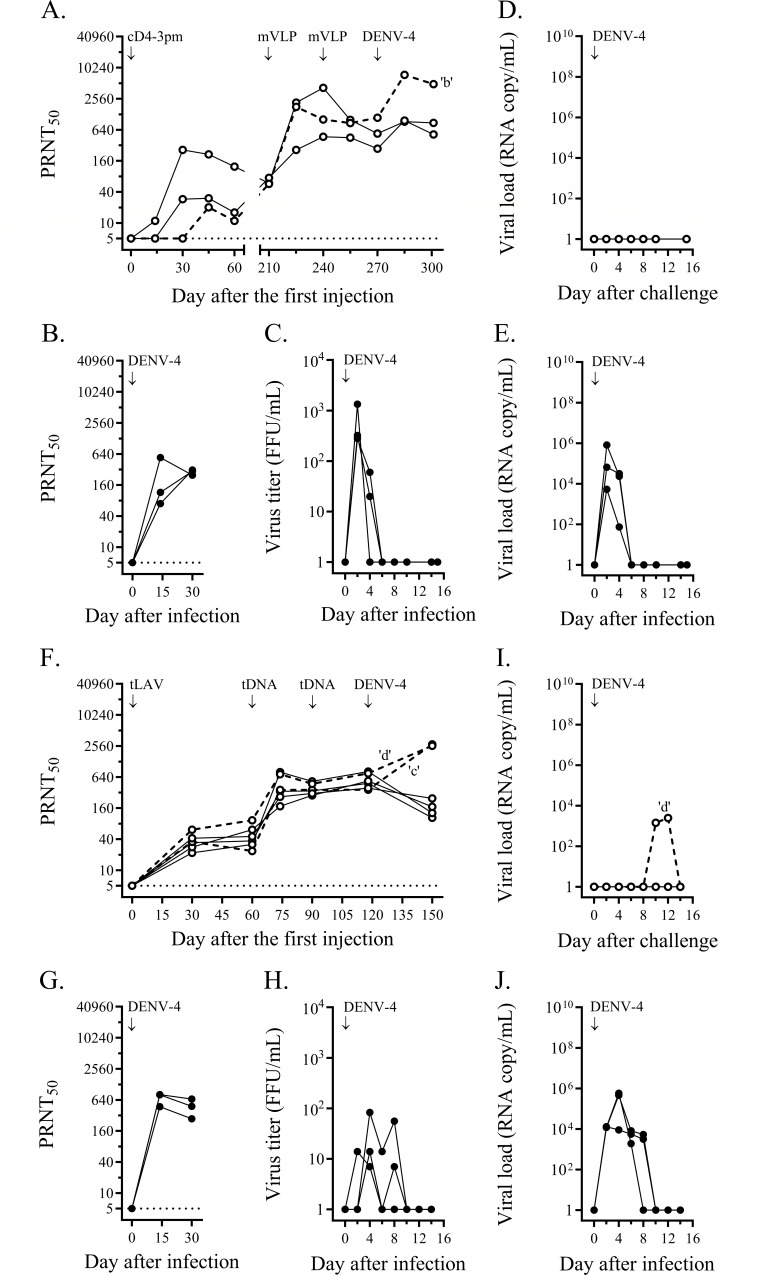
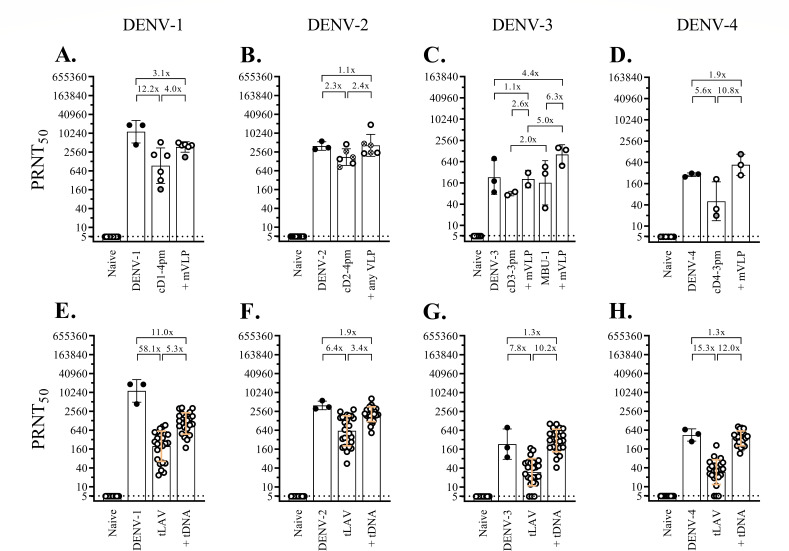
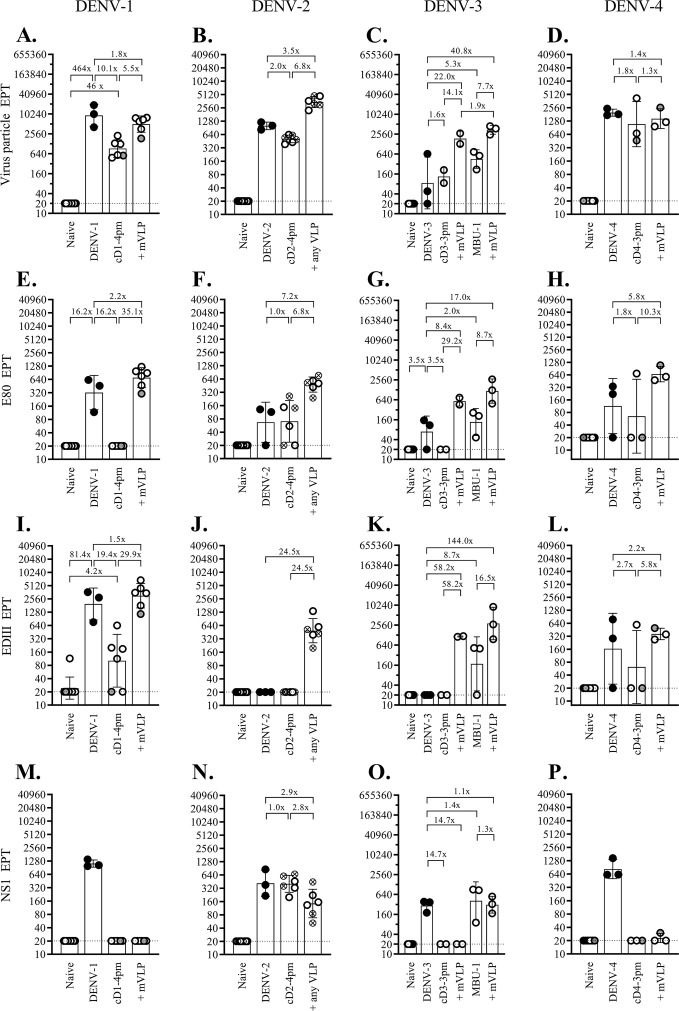
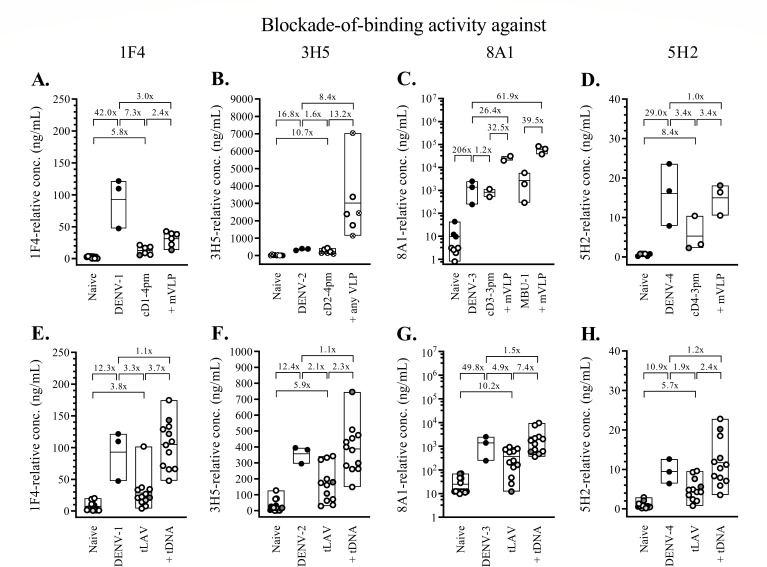
Currently licensed dengue vaccines do not induce long-term protection in children without previous exposure to dengue viruses in nature. These vaccines are based on selected attenuated strains of the four dengue serotypes and employed in combination for two or three consecutive doses. In our search for a better dengue vaccine candidate, live attenuated strains were followed by non-infectious virus-like particles or the plasmids that generate these particles upon injection into the body. This heterologous prime-boost immunization induced elevated levels of virus-specific antibodies and helped to prevent dengue virus infection in a high proportion of vaccinated macaques. In macaques that remained susceptible to dengue virus, distinct mechanisms were found to account for the immunization failures, providing a better understanding of vaccine actions. Additional studies in humans in the future may help to establish whether this combination approach represents a more effective means of preventing dengue by vaccination.
目前,已获得许可的登革热疫苗在儿童中并不能诱导长期保护,这些儿童在自然状态下没有接触过登革热病毒。这些疫苗基于选定的四种登革热血清型的减毒株,采用两种或三种连续剂量联合使用。在寻找更好的登革热疫苗候选物的过程中,减毒活病毒株被非感染性病毒样颗粒或在注射到体内时生成这些颗粒的质粒所取代。这种异源初免-加强免疫诱导了高水平的病毒特异性抗体,并有助于预防高比例接种的猕猴感染登革热病毒。在仍然易感染登革热病毒的猕猴中,发现了不同的机制来解释免疫失败,这为更好地了解疫苗作用提供了依据。未来在人类中的进一步研究可能有助于确定这种联合方法是否通过接种疫苗更有效地预防登革热。