
成人隐睾症治疗的当代综述:一例罕见的双侧隐睾症成年患者表现为盆腔疼痛
A Contemporary Review of Cryptorchidism Management in Adults: A Rare Presentation of Bilateral Cryptorchidism Presenting as Pelvic Pain in an Adult Patient.
作者信息
Sholtes Colleen B, Tranthem Lauren A, Nakamura Fumihiko, Canalichio Katie, Goedde Michael, Choi Kellen
机构信息
Department of Urology, Cleveland Clinic Akron General, Akron, USA.
Department of Urology, University of Louisville School of Medicine, Louisville, USA.
出版信息
Cureus. 2024 Jan 25;16(1):e52933. doi: 10.7759/cureus.52933. eCollection 2024 Jan.
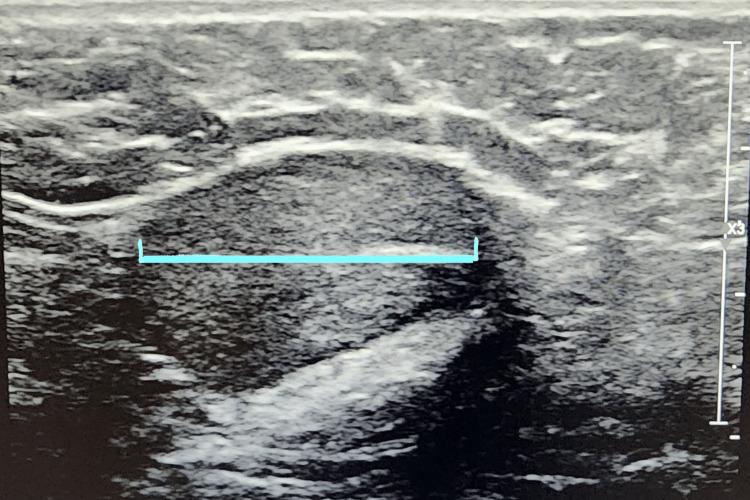
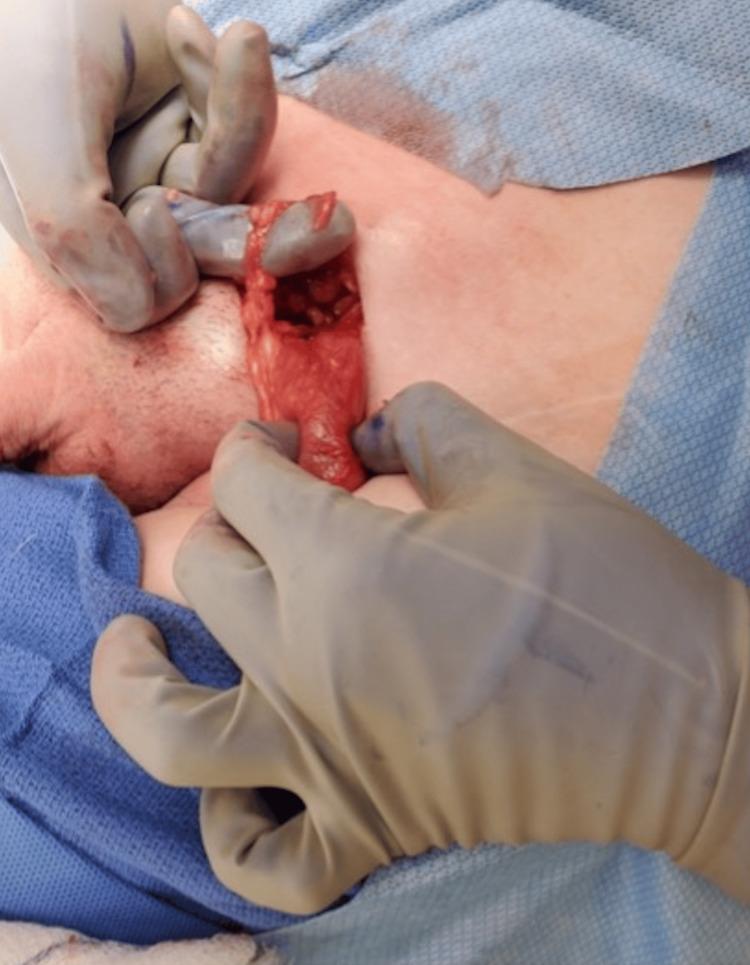
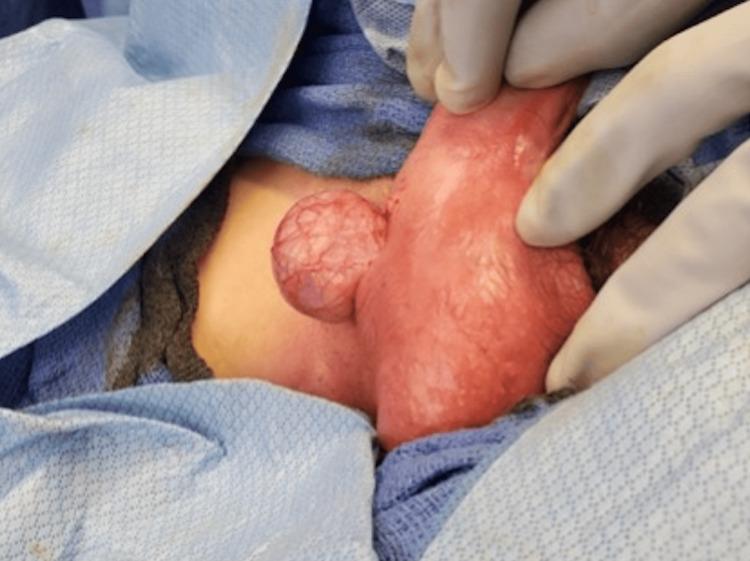
This case report presents a rare case of adult cryptorchidism, found incidentally in a 25-year-old gentleman who initially presented with abdominal and suprapubic pain and was successfully treated with staged orchidopexy. To our knowledge, to date, our case is the first published instance of bilateral cryptorchidism in an adult presenting with nonspecific suprapubic pain. Cryptorchidism is the most common genital abnormality in newborn boys, and due to its association with an increased risk of infertility and malignancy, current management involves surgical correction with orchidopexy by 12 to 18 months of life. Adult presentation of cryptorchidism is very unusual due to early intervention; therefore, bilateral cryptorchidism is even more rare. As a result, current guidelines do not address proper management for adult cryptorchidism. Therefore, after performing a thorough review of the literature on contemporary guidelines for cryptorchidism management, we aim to highlight our approach to management in this rare case of adult bilateral cryptorchidism. We suggest bilateral orchiectomy as the safest option, if the patient is amendable, or bilateral orchiopexy with long-term follow-up for testicular cancer. Although the American Urological Association guidelines recommend orchiectomy for postpubertal cryptorchid children, currently, no explicit guidelines exist for the preferred method of managing adult cryptorchidism. Due to the increased risk of infertility and testicular cancer with cryptorchidism, orchiectomy instead of orchiopexy may be the preferred surgical approach in some instances. Still, in the case of bilateral cryptorchidism, orchiectomy may not always be the most viable solution, making orchiopexy with long-term follow-up for testicular cancer the best option, such as in our case.
本病例报告呈现了一例罕见的成人隐睾症病例,该病例偶然发现于一名25岁男性,他最初表现为腹部和耻骨上区疼痛,并通过分期睾丸固定术成功治愈。据我们所知,迄今为止,我们的病例是首例已发表的成年双侧隐睾症伴非特异性耻骨上区疼痛的病例。隐睾症是新生儿男孩中最常见的生殖器异常,由于其与不孕和恶性肿瘤风险增加相关,目前的治疗方法是在12至18个月大时通过睾丸固定术进行手术矫正。由于早期干预,成人隐睾症的表现非常罕见;因此,双侧隐睾症更为罕见。结果,当前指南未涉及成人隐睾症的恰当治疗方法。因此,在对有关隐睾症治疗当代指南的文献进行全面回顾后,我们旨在强调我们对这例罕见的成年双侧隐睾症的治疗方法。我们建议,如果患者适合,双侧睾丸切除术是最安全的选择,或者进行双侧睾丸固定术并对睾丸癌进行长期随访。尽管美国泌尿外科学会指南推荐对青春期后隐睾儿童进行睾丸切除术,但目前对于成人隐睾症的首选治疗方法尚无明确指南。由于隐睾症导致不孕和睾丸癌的风险增加,在某些情况下,睾丸切除术而非睾丸固定术可能是首选的手术方法。然而,在双侧隐睾症的情况下,睾丸切除术可能并不总是最可行的解决方案,如我们的病例所示,对睾丸癌进行长期随访的睾丸固定术是最佳选择。








 Zotero 插件