
手术治疗下颈椎损伤的结果与并发症:一项基于人群的回顾性队列研究。
Outcome and complications of operatively treated subaxial cervical spine injuries: A population-based retrospective cohort study.
作者信息
Alve Joel, Huttunen Jukka, Leinonen Ville, Jyrkkänen Henna-Kaisa, Danner Nils
机构信息
Department of Medicine, University of Eastern Finland, Kuopio, Finland.
Department of Neurosurgery, Neurocenter, Kuopio University Hospital, Kuopio, Finland.
出版信息
World Neurosurg X. 2024 Mar 1;22:100283. doi: 10.1016/j.wnsx.2024.100283. eCollection 2024 Apr.
OBJECTIVE
The aim was to study the outcome and complications of operative treatment for subaxial cervical spine injuries with respect to injury morphology and surgical strategy.
METHODS
A population-based cohort of 271 consecutive patients treated at Kuopio University Hospital from 2003 to 2018 was retrospectively reviewed.
RESULTS
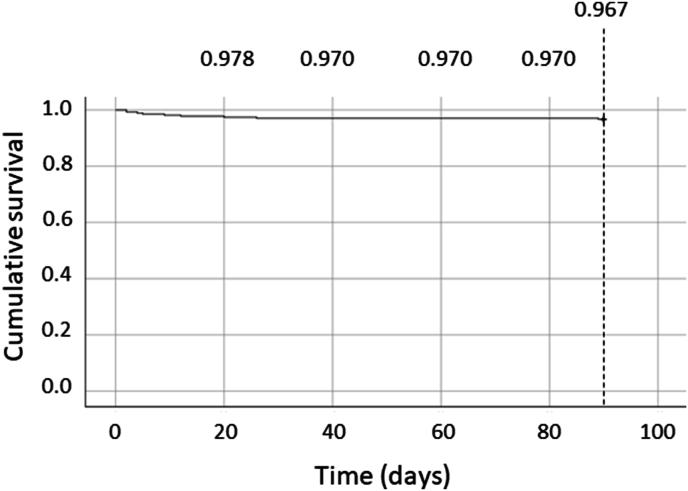
The mean age was 52.4 (range 12-90) years and 78.6% were male. The AOSpine morphological classification was C in 56.5%, B in 24.7% and A in 17.0% of cases. The surgical approach was anterior in 70.8%, posterior in 20.3% and combined in 8.9% of patients. Fixation alignment was maintained in 96.9% of patients. Instrumentation failures were observed only in patients operated anteriorly but no statistical difference was found between the surgical approaches. The American Spinal Injury Association Impairment Scale (AIS) grade improved in 22.1% of patients. Patients with preoperative AIS grade C had significant potential for neurological improvement (OR 10.44; 95% CI 1.77-61.56; = 0.010). Postoperative, mostly mild, complications manifested in 22.5% of patients. The posterior approach was associated with fewer postoperative complications (OR 0.18; 95% CI 0.06-0.51; = 0.001). Preoperative AIS grade A was a significant predisposing factor for complications (OR = 4.90; 95% CI = 1.49-16.10; = 0.009). The perioperative (90-day) mortality rate was 3.3%. The mean follow-up period was 64.7 ± 25.9 (radiological)/136.7 ± 174.8 (clinical) days.
CONCLUSIONS
Operative treatment is safe and effective but the surgical approach should be patient- and injury-specific. The prognosis for neurological recovery from spinal cord injury is superior in patients with partially preserved motor function.
目的
研究下颈椎损伤手术治疗的结果及并发症与损伤形态和手术策略的关系。
方法
回顾性分析2003年至2018年在库奥皮奥大学医院连续治疗的271例患者的队列研究。
结果
平均年龄为52.4岁(范围12 - 90岁),78.6%为男性。AOSpine形态学分类中,56.5%为C型,24.7%为B型,17.0%为A型。70.8%的患者采用前路手术,20.3%采用后路手术,8.9%采用联合手术。96.9%的患者维持了固定对线。仅在前路手术患者中观察到内固定失败,但手术方式之间未发现统计学差异。22.1%的患者美国脊髓损伤协会损伤量表(AIS)等级有所改善。术前AIS等级为C级的患者神经功能改善潜力显著(OR 10.44;95% CI 1.77 - 61.56;P = 0.010)。22.5%的患者术后出现并发症,大多为轻度。后路手术术后并发症较少(OR 0.18;95% CI 0.06 - 0.51;P = 0.001)。术前AIS等级为A级是并发症的显著易感因素(OR = 4.90;95% CI = 1.49 - 16.10;P = 0.009)。围手术期(90天)死亡率为3.3%。平均随访时间为64.7 ± 25.9(影像学)/136.7 ± 174.8(临床)天。
结论
手术治疗安全有效,但手术方式应根据患者和损伤情况个体化选择。脊髓损伤后神经功能恢复的预后在部分保留运动功能的患者中更佳。


 Zotero 插件