
人工智能对非正式患者照料者的支持:一项系统综述。
Artificial Intelligence Support for Informal Patient Caregivers: A Systematic Review.
作者信息
Borna Sahar, Maniaci Michael J, Haider Clifton R, Gomez-Cabello Cesar A, Pressman Sophia M, Haider Syed Ali, Demaerschalk Bart M, Cowart Jennifer B, Forte Antonio Jorge
机构信息
Division of Plastic Surgery, Mayo Clinic, 4500 San Pablo Rd, Jacksonville, FL 32224, USA.
Division of Hospital Internal Medicine, Mayo Clinic, Jacksonville, FL 32224, USA.
出版信息
Bioengineering (Basel). 2024 May 12;11(5):483. doi: 10.3390/bioengineering11050483.
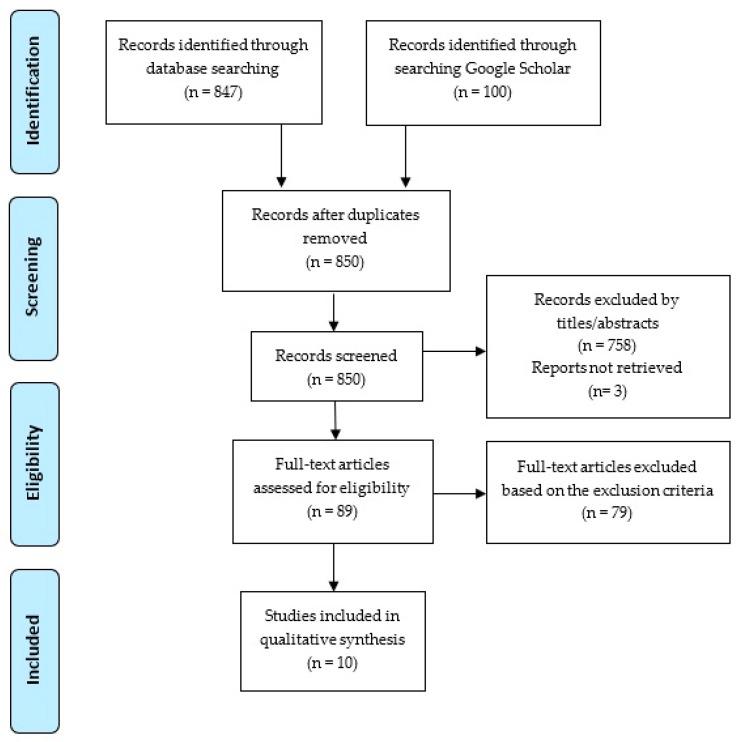
This study aims to explore how artificial intelligence can help ease the burden on caregivers, filling a gap in current research and healthcare practices due to the growing challenge of an aging population and increased reliance on informal caregivers. We conducted a search with Google Scholar, PubMed, Scopus, IEEE Xplore, and Web of Science, focusing on AI and caregiving. Our inclusion criteria were studies where AI supports informal caregivers, excluding those solely for data collection. Adhering to PRISMA 2020 guidelines, we eliminated duplicates and screened for relevance. From 947 initially identified articles, 10 met our criteria, focusing on AI's role in aiding informal caregivers. These studies, conducted between 2012 and 2023, were globally distributed, with 80% employing machine learning. Validation methods varied, with Hold-Out being the most frequent. Metrics across studies revealed accuracies ranging from 71.60% to 99.33%. Specific methods, like SCUT in conjunction with NNs and LibSVM, showcased accuracy between 93.42% and 95.36% as well as F-measures spanning 93.30% to 95.41%. AUC values indicated model performance variability, ranging from 0.50 to 0.85 in select models. Our review highlights AI's role in aiding informal caregivers, showing promising results despite different approaches. AI tools provide smart, adaptive support, improving caregivers' effectiveness and well-being.
本研究旨在探讨人工智能如何帮助减轻护理人员的负担,填补当前研究和医疗实践中的空白,因为人口老龄化带来的挑战日益增加,且对非正式护理人员的依赖也在增加。我们在谷歌学术、PubMed、Scopus、IEEE Xplore和科学网进行了搜索,重点关注人工智能与护理。我们的纳入标准是人工智能支持非正式护理人员的研究,不包括那些仅用于数据收集的研究。遵循PRISMA 2020指南,我们消除了重复项并筛选了相关性。从最初识别的947篇文章中,有10篇符合我们的标准,重点关注人工智能在帮助非正式护理人员方面的作用。这些研究在2012年至2023年期间进行,分布在全球各地,80%采用了机器学习。验证方法各不相同,留出法是最常用的。各项研究的指标显示准确率在71.60%至99.33%之间。特定方法,如结合神经网络和LibSVM的SCUT,展示了93.42%至95.36%的准确率以及93.30%至95.41%的F值。AUC值表明模型性能存在差异,在某些模型中从0.50到0.85不等。我们的综述强调了人工智能在帮助非正式护理人员方面的作用,尽管方法不同,但显示出了有前景的结果。人工智能工具提供智能、自适应的支持,提高护理人员的效率和幸福感。

 Zotero 插件