
乳清蛋白与生物活性肽:生产、筛选及生物活性分析的进展
Whey Proteins and Bioactive Peptides: Advances in Production, Selection and Bioactivity Profiling.
作者信息
Luparelli Anna, Trisciuzzi Daniela, Schirinzi William Matteo, Caputo Leonardo, Smiriglia Leonardo, Quintieri Laura, Nicolotti Orazio, Monaci Linda
机构信息
Institute of Sciences of Food Production, National Research Council (ISPA-CNR), Via G. Amendola, 122/O, 70126 Bari, Italy.
Department of Pharmacy, Pharmaceutical Sciences, University of Bari "Aldo Moro", Via E. Orabona, 4, 70125 Bari, Italy.
出版信息
Biomedicines. 2025 May 27;13(6):1311. doi: 10.3390/biomedicines13061311.
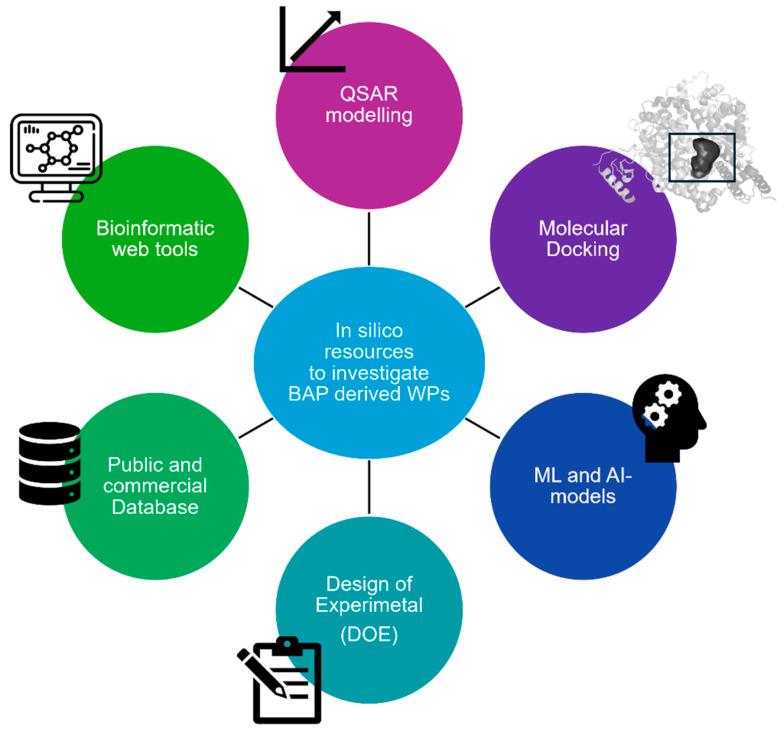
The whey protein (WP) fraction represents 18-20% of the total milk nitrogen content. It was originally considered a dairy industry waste, but upon its chemical characterization, it was found to be a precious source of bioactive components, growing in popularity as nutritional and functional food ingredients. This has generated a remarkable increase in interest in applications in the different sectors of nutrition, food industry, and pharmaceutics. WPs comprise immunoglobulins and proteins rich in branched and essential amino acids, and peptides endowed with several biological activities (antimicrobial, antihypertensive, antithrombotic, anticancer, antioxidant, opioid, immunomodulatory, and gut microbiota regulation) and technological properties (gelling, water binding, emulsification, and foaming ability). Currently, various process technologies and biotechnological methods are available to recover WPs and convert them into BioActive Peptides (BAPs) for commercial use. Additionally, in silico approaches could have a significant impact on the development of novel foods and/or ingredients and therapeutic agents. This review provides an overview of current and emerging methods for the production, selection, and application of whey peptides, offering insights into bioactivity profiling and potential therapeutic targets. Recent updates in legislation related to commercialized WPs-based products are also presented.
乳清蛋白(WP)部分占牛奶总氮含量的18 - 20%。它最初被认为是乳制品工业的废弃物,但经过化学表征后,发现它是生物活性成分的宝贵来源,作为营养和功能性食品成分越来越受欢迎。这使得人们对其在营养、食品工业和制药等不同领域的应用兴趣显著增加。乳清蛋白包括免疫球蛋白和富含支链及必需氨基酸的蛋白质,以及具有多种生物活性(抗菌、抗高血压、抗血栓形成、抗癌、抗氧化、阿片样、免疫调节和肠道微生物群调节)和技术特性(凝胶化、水结合、乳化和发泡能力)的肽。目前,有各种工艺技术和生物技术方法可用于回收乳清蛋白并将其转化为商业用途的生物活性肽(BAP)。此外,计算机模拟方法可能会对新型食品和/或成分以及治疗剂的开发产生重大影响。本综述概述了乳清肽生产、选择和应用的当前及新兴方法,深入探讨了生物活性分析和潜在治疗靶点。还介绍了与商业化乳清蛋白基产品相关的法规的最新更新。


 Zotero 插件