
金普新区碳储量与景观生态风险变化的多情景模拟及空间冲突关系分析
Multi-scenario simulation of carbon stock and landscape ecological risk changes in Jinpu new area and analysis of spatial conflict relationships.
作者信息
Wang Jin Peng, Wang Li, Du Peng
机构信息
Liaoning Normal University, Dalian, China.
出版信息
Sci Rep. 2025 Jul 1;15(1):20921. doi: 10.1038/s41598-025-03148-8.
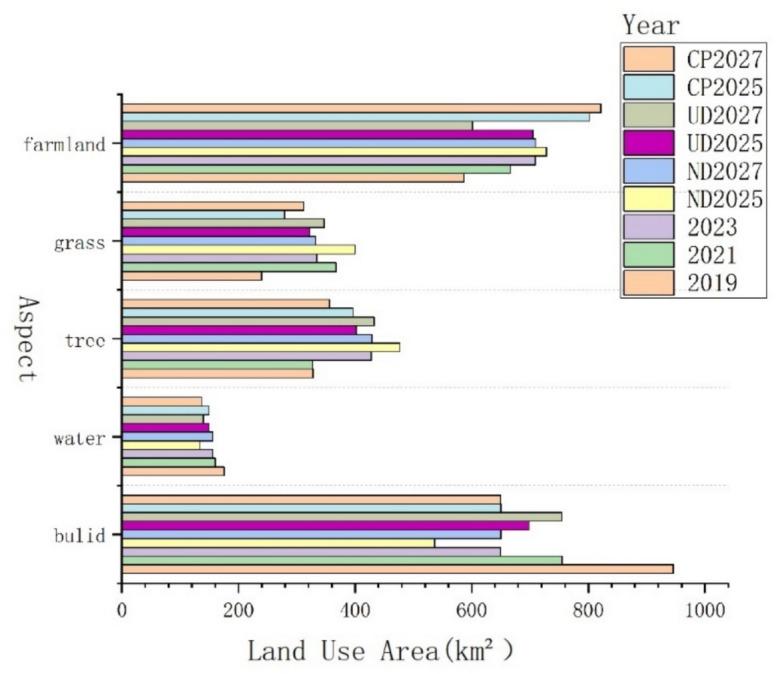
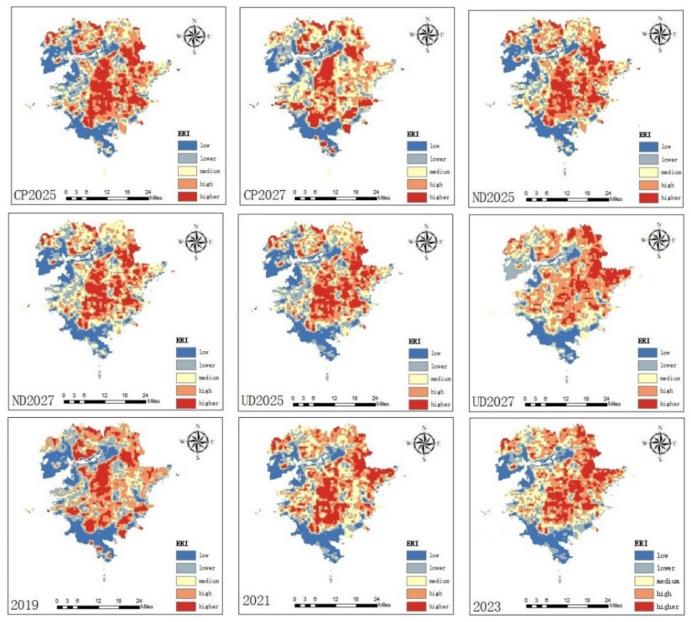
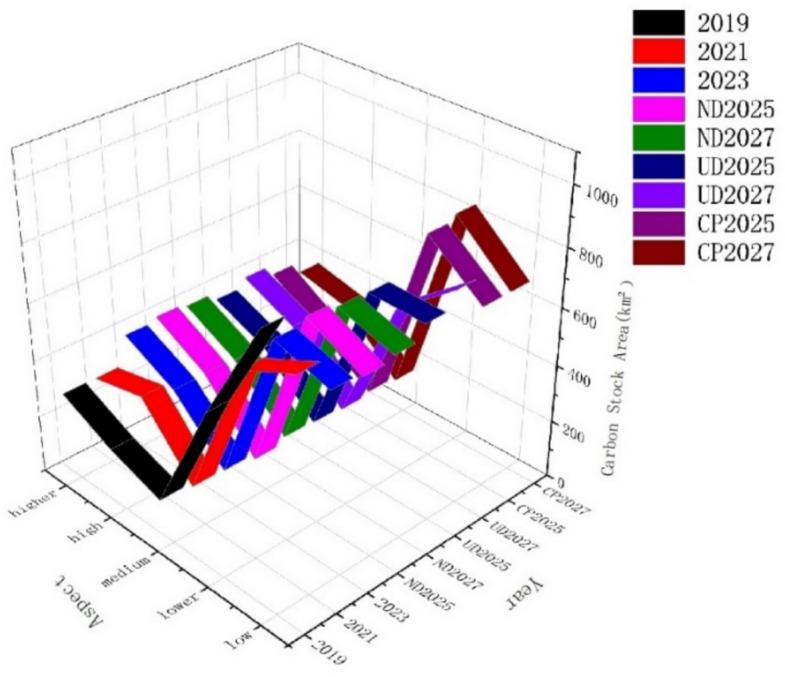
Sustainability of carbon sink capacity is an essential player in the health of the city, and landscape ecological risk can reveal present status of land management. This paper analyzes the distribution of spatial conflict areas between high carbon stock and landscape ecological risk under the current scenarios and future three different development scenarios in 2025 and 2027. The results showed that: (1) from 2019 to 2023, the higher carbon stock areas and the ecological higher-risk areas generally expand; (2) from 2025 to 2027, under different development scenarios, higher carbon stock and higher-risk areas showed different changes, according to the distribution of spatial conflicts between the two, the significant common zones of conflict were distributed in the central, southern, and southeastern parts of the study area, while in the northern and eastern parts of the study area, the spatial conflict distribution of the natural development and cropland protection scenarios is significantly lower than the urban development scenarios, so future land use development patterns can be optimized by combining the respective characteristics of natural development and cropland protection scenarios. Therefore, this study can provide a basis for the future economic development of study area and the green and healthy development of Jinpu New Area.
碳汇能力的可持续性是城市健康发展的重要因素,景观生态风险能够揭示土地管理现状。本文分析了当前情景以及2025年和2027年未来三种不同发展情景下高碳储量与景观生态风险空间冲突区域的分布情况。结果表明:(1)2019年至2023年,高碳储量区域和生态高风险区域总体呈扩张趋势;(2)2025年至2027年,在不同发展情景下,高碳储量区域和高风险区域呈现出不同变化,根据两者之间的空间冲突分布,显著的共同冲突区域分布在研究区域的中部、南部和东南部,而在研究区域的北部和东部,自然发展和农田保护情景下的空间冲突分布明显低于城市发展情景,因此未来土地利用发展模式可结合自然发展和农田保护情景的各自特点进行优化。因此,本研究可为研究区域未来经济发展以及金普新区绿色健康发展提供依据。




 Zotero 插件