
儿科急诊医学教学与模拟(PEMDAS):武装穿透性创伤
Pediatric Emergency Medicine Didactics and Simulation (PEMDAS): Armed Penetrating Trauma.
作者信息
Wong Amelia F, Thomas Anita, Pearce Jean I, Sanseau Elizabeth, Levas Michael, Bharath Anita, Monteilh Cecilia, Lovvorn Harold N, D'Cruz Roshan, Wilbur Rebecca, MacKeil-White Kimberly C, Ciener Daisy
机构信息
Pediatric Emergency Medicine, Vanderbilt University Medical Center, Nashville, USA.
Pediatrics, Division of Emergency Medicine, University of Pennsylvania School of Medicine and Children's Hospital of Philadelphia, Philadelphia, USA.
出版信息
Cureus. 2025 Jun 14;17(6):e86017. doi: 10.7759/cureus.86017. eCollection 2025 Jun.
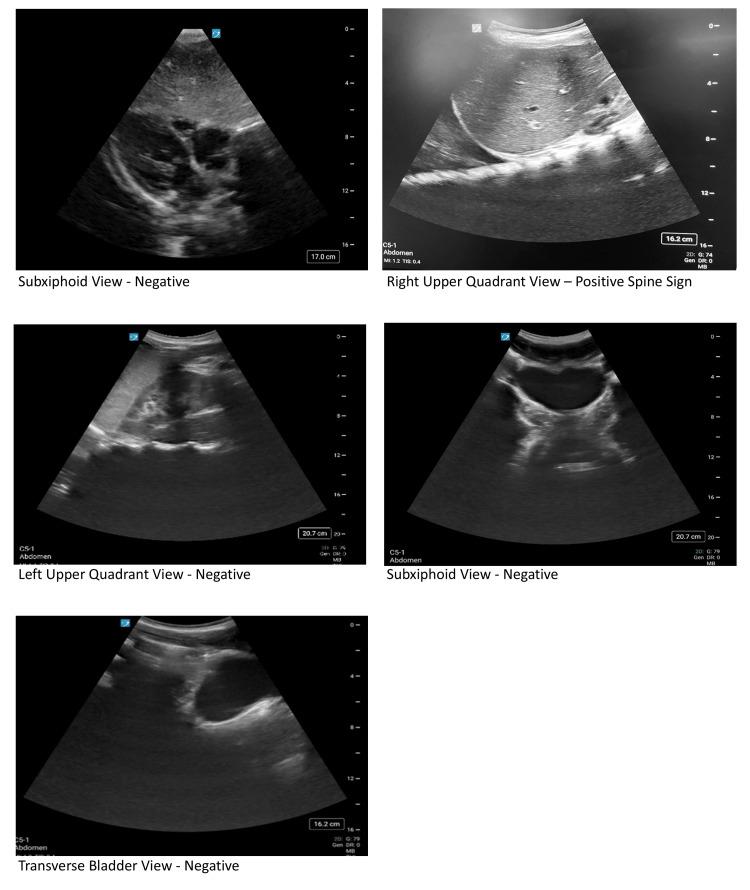
Firearms are the leading cause of pediatric death in the U.S., with a rising number of firearm-related injuries presenting to Pediatric Emergency Departments (PED). Trauma centers that manage firearm injuries have higher rates of weapon confiscation. Many healthcare workers have encountered concealed firearms in the ED, despite a lack of workplace firearm handling training. To address this gap, this technical report describes a novel simulation-based curriculum for Pediatric Emergency Medicine (PEM) trainees involving a 15-year-old male presenting with a gunshot wound (GSW) to the chest requiring chest decompression, intubation, and blood products. A concealed firearm discovered on the patient required proper handling protocols. Afterward, a debrief was conducted, and participants completed an evaluation based on pre- and post-simulation knowledge using a 5-point Likert scale (1 = Strongly Disagree, 5 = Strongly Agree). Learners rated the simulation as highly relevant (Mean (M) = 4.8) and realistic (M = 4.7) and reported improvements in teamwork and communication skills (M = 4.6). They also demonstrated increased comfort with identifying firearm injury patterns (pre M = 4.2, post M = 4.6), stabilizing critically ill trauma patients (pre M = 4.1, post M = 4.4), handling firearms in a healthcare setting (pre M = 3.4, post M = 4.3), and functioning effectively as a team in the trauma bay (pre M = 4.5, post M = 4.6). This simulation was well received and provided a psychologically safe environment for trainees to address key knowledge gaps and improve comfort with firearm-related trauma care and safety practices in the pediatric emergency department.
在美国,枪支是导致儿童死亡的首要原因,前往儿科急诊科(PED)就诊的与枪支相关的伤害数量呈上升趋势。处理枪支伤害的创伤中心武器没收率更高。尽管缺乏工作场所枪支处理培训,但许多医护人员在急诊科都遇到过隐藏的枪支。为了弥补这一差距,本技术报告描述了一种针对儿科急诊医学(PEM)学员的基于模拟的新型课程,该课程涉及一名15岁男性,他胸部遭受枪伤(GSW),需要进行胸部减压、插管和输血。在患者身上发现的隐藏枪支需要遵循适当的处理规程。之后,进行了一次总结汇报,参与者使用5点李克特量表(1 = 强烈不同意,5 = 强烈同意)根据模拟前后的知识完成了一项评估。学习者对模拟的相关性评价很高(平均(M)= 4.8)且认为很逼真(M = 4.7),并报告称团队合作和沟通技能有所提高(M = 4.6)。他们还表现出在识别枪支伤害模式(模拟前M = 4.2,模拟后M = 4.6)、稳定重症创伤患者(模拟前M = 4.1,模拟后M = 4.4)、在医疗环境中处理枪支(模拟前M = 3.4,模拟后M = 4.3)以及在创伤病房作为团队有效运作(模拟前M = 4.5,模拟后M = 4.6)方面更加得心应手。该模拟受到了好评,并为学员提供了一个心理安全的环境,以弥补关键知识差距,提高对儿科急诊科与枪支相关的创伤护理和安全实践的熟悉程度。




 Zotero 插件