• 文献检索
  • 文档翻译
  • 深度研究
  • 学术资讯
  • Suppr Zotero 插件Zotero 插件
  • 邀请有礼
  • 套餐&价格
  • 历史记录
应用&插件
Suppr Zotero 插件Zotero 插件浏览器插件Mac 客户端Windows 客户端微信小程序
定价
高级版会员购买积分包购买API积分包
服务
文献检索文档翻译深度研究API 文档MCP 服务
关于我们
关于 Suppr公司介绍联系我们用户协议隐私条款
关注我们

Suppr 超能文献

核心技术专利:CN118964589B侵权必究
粤ICP备2023148730 号-1Suppr @ 2026

文献检索

告别复杂PubMed语法,用中文像聊天一样搜索,搜遍4000万医学文献。AI智能推荐,让科研检索更轻松。

立即免费搜索

文件翻译

保留排版,准确专业,支持PDF/Word/PPT等文件格式,支持 12+语言互译。

免费翻译文档

深度研究

AI帮你快速写综述,25分钟生成高质量综述,智能提取关键信息,辅助科研写作。

立即免费体验

Diaporthales 目中叶生的 Gnomoniaceae 属。

Leaf-inhabiting genera of the Gnomoniaceae, Diaporthales.

机构信息

Department of Plant Biology and Pathology, Rutgers University, New Brunswick, NJ 08901, U.S.A.

出版信息

Stud Mycol. 2008;62:1-77. doi: 10.3114/sim.2008.62.01.

DOI:10.3114/sim.2008.62.01
PMID:19287541
原文链接:https://pmc.ncbi.nlm.nih.gov/articles/PMC2621335/
Abstract

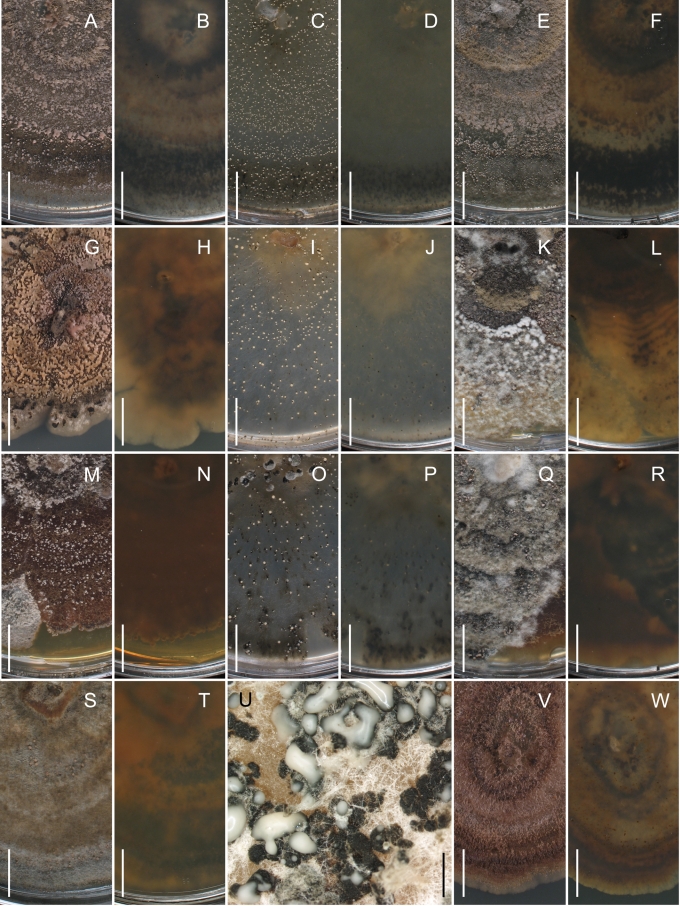
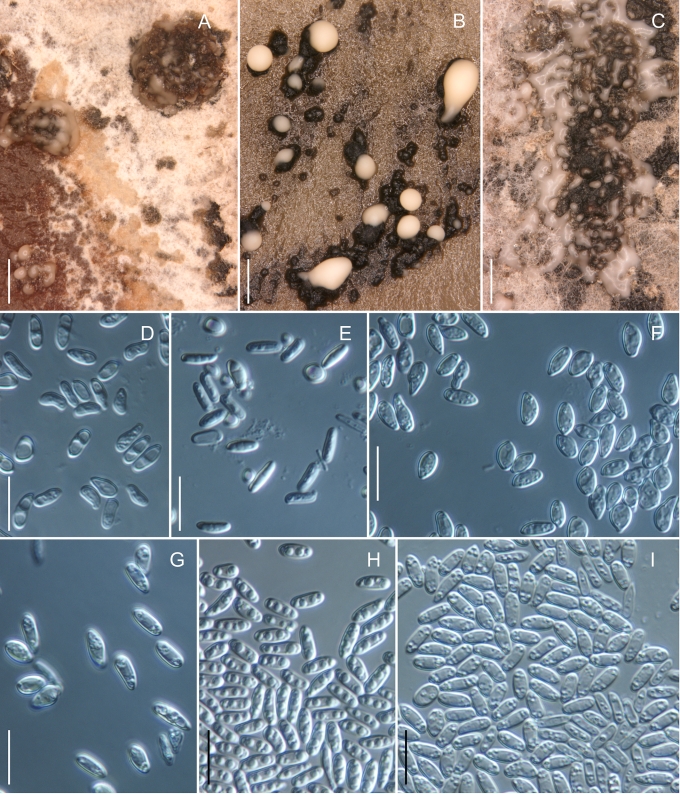
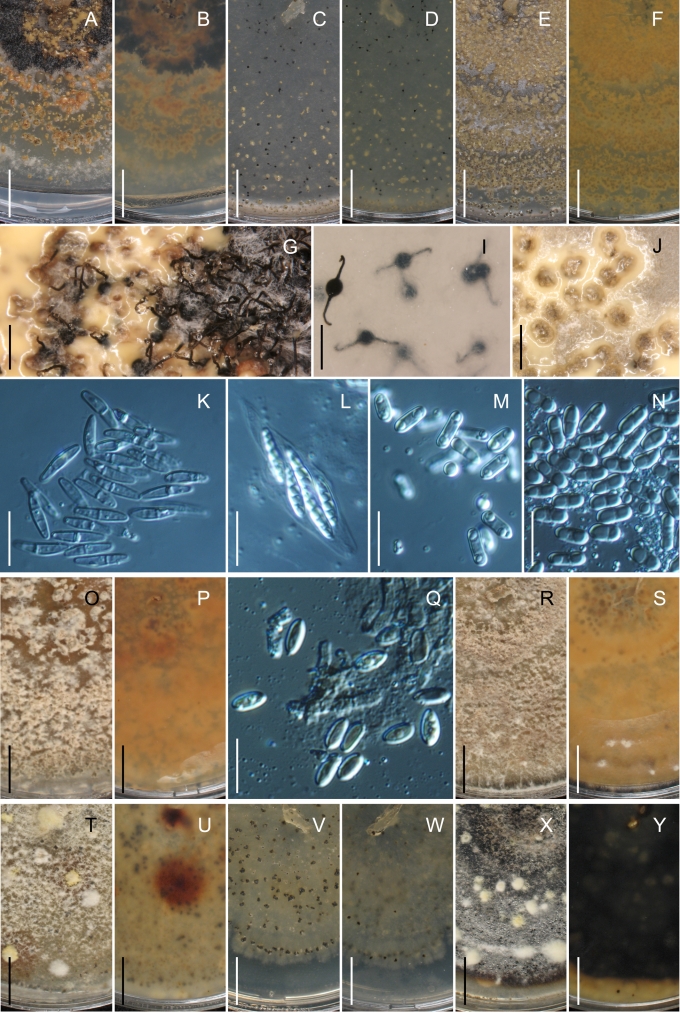
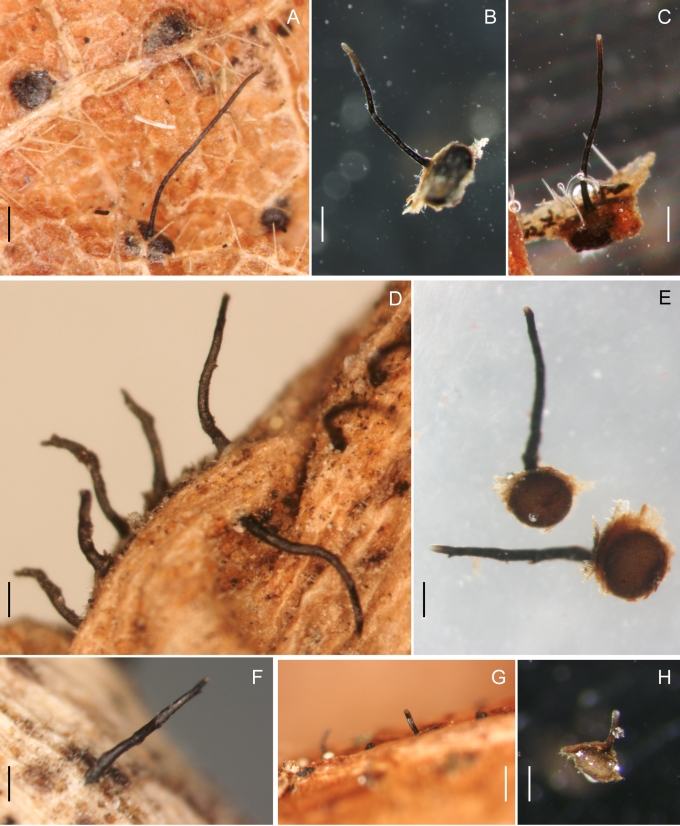
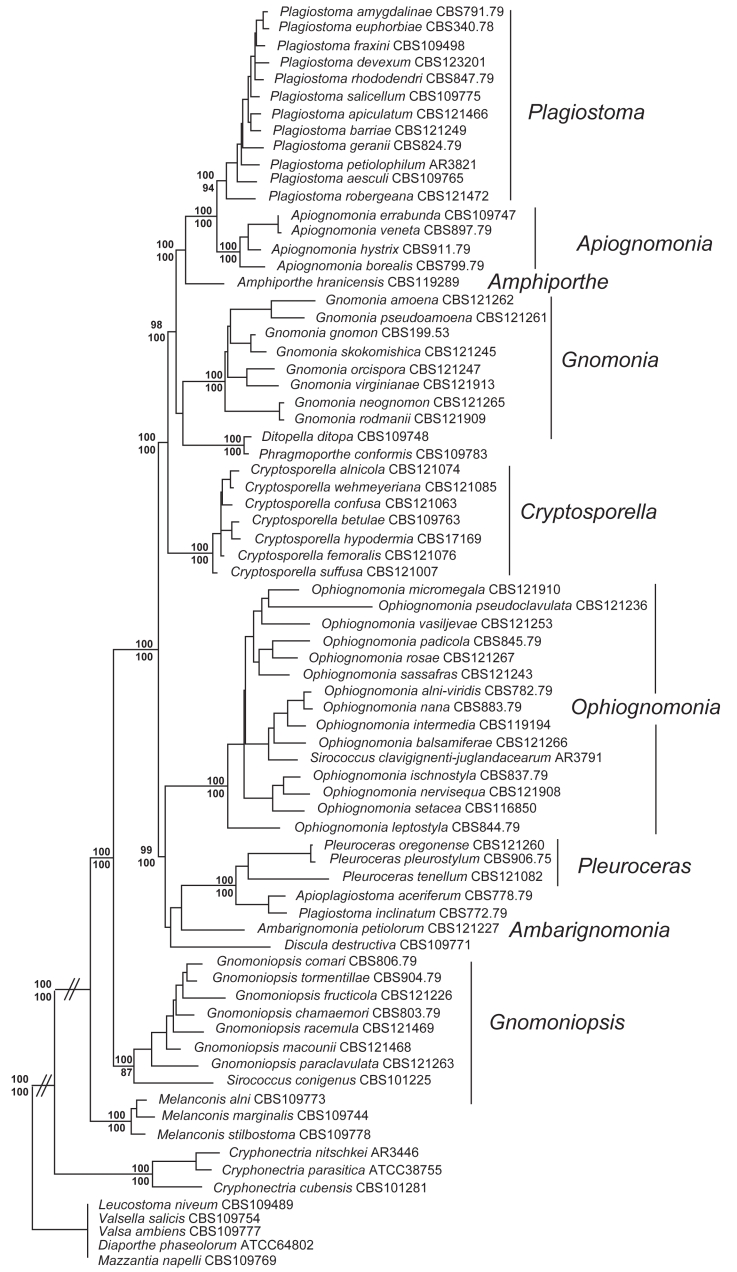
The Gnomoniaceae are characterised by ascomata that are generally immersed, solitary, without a stroma, or aggregated with a rudimentary stroma, in herbaceous plant material especially in leaves, twigs or stems, but also in bark or wood. The ascomata are black, soft-textured, thin-walled, and pseudoparenchymatous with one or more central or eccentric necks. The asci usually have a distinct apical ring. The Gnomoniaceae includes species having ascospores that are small, mostly less than 25 mum long, although some are longer, and range in septation from non-septate to one-septate, rarely multi-septate. Molecular studies of the Gnomoniaceae suggest that the traditional classification of genera based on characteristics of the ascomata such as position of the neck and ascospores such as septation have resulted in genera that are not monophyletic. In this paper the concepts of the leaf-inhabiting genera in the Gnomoniaceae are reevaluated using multiple genes, specifically nrLSU, translation elongation factor 1-alpha (tef1-alpha), and RNA polymerase II second largest subunit (rpb2) for 64 isolates. ITS sequences were generated for 322 isolates. Six genera of leaf-inhabiting Gnomoniaceae are defined based on placement of their type species within the multigene phylogeny. The new monotypic genus Ambarignomonia is established for an unusual species, A. petiolorum. A key to 59 species of leaf-inhabiting Gnomoniaceae is presented and 22 species of Gnomoniaceae are described and illustrated.

摘要

帚壳科的特征是子囊壳通常为埋生、单个、无侧丝组织或与原始侧丝组织聚集在一起,位于草本植物材料中,特别是在叶片、小枝或茎上,但也存在于树皮或木材中。子囊壳为黑色,质地柔软,壁薄,假薄壁组织状,具一个或多个中央或偏心的颈。子囊通常具有明显的顶环。帚壳科包括子囊孢子较小的物种,大多数小于 25 µm 长,但也有一些较长,其分隔情况从无分隔到单分隔,很少有多分隔。帚壳科的分子研究表明,基于子囊壳特征(如颈的位置和子囊孢子的分隔情况)的传统属分类导致了不是单系的属。在本文中,使用多个基因(nrLSU、延伸因子 1-α(tef1-α)和 RNA 聚合酶 II 第二大亚基(rpb2))对 64 个分离物重新评估了帚壳科中叶片生属的概念。为 322 个分离物生成了 ITS 序列。根据其模式种在多基因系统发育中的位置,定义了 6 个叶片生帚壳科属。建立了一个新的单种属 Ambarignomonia,用于一个不寻常的种 A. petiolorum。提出了 59 种叶片生帚壳科的关键,描述和图示了 22 种帚壳科。
https://cdn.ncbi.nlm.nih.gov/pmc/blobs/8e5c/2621335/4469a783027e/1fig48.jpg
https://cdn.ncbi.nlm.nih.gov/pmc/blobs/8e5c/2621335/0d40b7372a48/1fig1.jpg
https://cdn.ncbi.nlm.nih.gov/pmc/blobs/8e5c/2621335/c96e0d0603bc/1fig2.jpg
https://cdn.ncbi.nlm.nih.gov/pmc/blobs/8e5c/2621335/b0fc0c0424a7/1fig3.jpg
https://cdn.ncbi.nlm.nih.gov/pmc/blobs/8e5c/2621335/96a6e4720987/1fig4.jpg
https://cdn.ncbi.nlm.nih.gov/pmc/blobs/8e5c/2621335/0802b22cbc5b/1fig5.jpg
https://cdn.ncbi.nlm.nih.gov/pmc/blobs/8e5c/2621335/7770284bef17/1fig6.jpg
https://cdn.ncbi.nlm.nih.gov/pmc/blobs/8e5c/2621335/ee07243d60a5/1fig7.jpg
https://cdn.ncbi.nlm.nih.gov/pmc/blobs/8e5c/2621335/7a55d5e28b52/1fig8.jpg
https://cdn.ncbi.nlm.nih.gov/pmc/blobs/8e5c/2621335/e2650e85972e/1fig9.jpg
https://cdn.ncbi.nlm.nih.gov/pmc/blobs/8e5c/2621335/44e4809d2fb6/1fig10.jpg
https://cdn.ncbi.nlm.nih.gov/pmc/blobs/8e5c/2621335/7d5a19c2e7f8/1fig11.jpg
https://cdn.ncbi.nlm.nih.gov/pmc/blobs/8e5c/2621335/232c2446971c/1fig12.jpg
https://cdn.ncbi.nlm.nih.gov/pmc/blobs/8e5c/2621335/01bcff11fd8c/1fig13.jpg
https://cdn.ncbi.nlm.nih.gov/pmc/blobs/8e5c/2621335/1a953f813770/1fig14.jpg
https://cdn.ncbi.nlm.nih.gov/pmc/blobs/8e5c/2621335/81ba716e5e2f/1fig15.jpg
https://cdn.ncbi.nlm.nih.gov/pmc/blobs/8e5c/2621335/dced591fa1b8/1fig16.jpg
https://cdn.ncbi.nlm.nih.gov/pmc/blobs/8e5c/2621335/166090605473/1fig17.jpg
https://cdn.ncbi.nlm.nih.gov/pmc/blobs/8e5c/2621335/d88a790d3369/1fig18.jpg
https://cdn.ncbi.nlm.nih.gov/pmc/blobs/8e5c/2621335/f49db88fb871/1fig19.jpg
https://cdn.ncbi.nlm.nih.gov/pmc/blobs/8e5c/2621335/471979fa98dc/1fig20.jpg
https://cdn.ncbi.nlm.nih.gov/pmc/blobs/8e5c/2621335/94a05c70f8b4/1fig21.jpg
https://cdn.ncbi.nlm.nih.gov/pmc/blobs/8e5c/2621335/0831904a3ff2/1fig22.jpg
https://cdn.ncbi.nlm.nih.gov/pmc/blobs/8e5c/2621335/c5cc7bc2d1f1/1fig23.jpg
https://cdn.ncbi.nlm.nih.gov/pmc/blobs/8e5c/2621335/1a0cd753f82c/1fig24.jpg
https://cdn.ncbi.nlm.nih.gov/pmc/blobs/8e5c/2621335/ce8b3d0eb940/1fig25.jpg
https://cdn.ncbi.nlm.nih.gov/pmc/blobs/8e5c/2621335/0358693e7ae0/1fig26.jpg
https://cdn.ncbi.nlm.nih.gov/pmc/blobs/8e5c/2621335/3595adbf5fff/1fig27.jpg
https://cdn.ncbi.nlm.nih.gov/pmc/blobs/8e5c/2621335/c5e8896fe826/1fig28.jpg
https://cdn.ncbi.nlm.nih.gov/pmc/blobs/8e5c/2621335/4ed69040c255/1fig29.jpg
https://cdn.ncbi.nlm.nih.gov/pmc/blobs/8e5c/2621335/75bb4b41bc4a/1fig30.jpg
https://cdn.ncbi.nlm.nih.gov/pmc/blobs/8e5c/2621335/b69af2f78411/1fig31.jpg
https://cdn.ncbi.nlm.nih.gov/pmc/blobs/8e5c/2621335/2875d64b88d6/1fig32.jpg
https://cdn.ncbi.nlm.nih.gov/pmc/blobs/8e5c/2621335/f082775f480a/1fig33.jpg
https://cdn.ncbi.nlm.nih.gov/pmc/blobs/8e5c/2621335/5bc853b0fa0d/1fig35.jpg
https://cdn.ncbi.nlm.nih.gov/pmc/blobs/8e5c/2621335/6c448d6312f8/1fig37.jpg
https://cdn.ncbi.nlm.nih.gov/pmc/blobs/8e5c/2621335/72058d446c19/1fig46.jpg
https://cdn.ncbi.nlm.nih.gov/pmc/blobs/8e5c/2621335/4469a783027e/1fig48.jpg
https://cdn.ncbi.nlm.nih.gov/pmc/blobs/8e5c/2621335/0d40b7372a48/1fig1.jpg
https://cdn.ncbi.nlm.nih.gov/pmc/blobs/8e5c/2621335/c96e0d0603bc/1fig2.jpg
https://cdn.ncbi.nlm.nih.gov/pmc/blobs/8e5c/2621335/b0fc0c0424a7/1fig3.jpg
https://cdn.ncbi.nlm.nih.gov/pmc/blobs/8e5c/2621335/96a6e4720987/1fig4.jpg
https://cdn.ncbi.nlm.nih.gov/pmc/blobs/8e5c/2621335/0802b22cbc5b/1fig5.jpg
https://cdn.ncbi.nlm.nih.gov/pmc/blobs/8e5c/2621335/7770284bef17/1fig6.jpg
https://cdn.ncbi.nlm.nih.gov/pmc/blobs/8e5c/2621335/ee07243d60a5/1fig7.jpg
https://cdn.ncbi.nlm.nih.gov/pmc/blobs/8e5c/2621335/7a55d5e28b52/1fig8.jpg
https://cdn.ncbi.nlm.nih.gov/pmc/blobs/8e5c/2621335/e2650e85972e/1fig9.jpg
https://cdn.ncbi.nlm.nih.gov/pmc/blobs/8e5c/2621335/44e4809d2fb6/1fig10.jpg
https://cdn.ncbi.nlm.nih.gov/pmc/blobs/8e5c/2621335/7d5a19c2e7f8/1fig11.jpg
https://cdn.ncbi.nlm.nih.gov/pmc/blobs/8e5c/2621335/232c2446971c/1fig12.jpg
https://cdn.ncbi.nlm.nih.gov/pmc/blobs/8e5c/2621335/01bcff11fd8c/1fig13.jpg
https://cdn.ncbi.nlm.nih.gov/pmc/blobs/8e5c/2621335/1a953f813770/1fig14.jpg
https://cdn.ncbi.nlm.nih.gov/pmc/blobs/8e5c/2621335/81ba716e5e2f/1fig15.jpg
https://cdn.ncbi.nlm.nih.gov/pmc/blobs/8e5c/2621335/dced591fa1b8/1fig16.jpg
https://cdn.ncbi.nlm.nih.gov/pmc/blobs/8e5c/2621335/166090605473/1fig17.jpg
https://cdn.ncbi.nlm.nih.gov/pmc/blobs/8e5c/2621335/d88a790d3369/1fig18.jpg
https://cdn.ncbi.nlm.nih.gov/pmc/blobs/8e5c/2621335/f49db88fb871/1fig19.jpg
https://cdn.ncbi.nlm.nih.gov/pmc/blobs/8e5c/2621335/471979fa98dc/1fig20.jpg
https://cdn.ncbi.nlm.nih.gov/pmc/blobs/8e5c/2621335/94a05c70f8b4/1fig21.jpg
https://cdn.ncbi.nlm.nih.gov/pmc/blobs/8e5c/2621335/0831904a3ff2/1fig22.jpg
https://cdn.ncbi.nlm.nih.gov/pmc/blobs/8e5c/2621335/c5cc7bc2d1f1/1fig23.jpg
https://cdn.ncbi.nlm.nih.gov/pmc/blobs/8e5c/2621335/1a0cd753f82c/1fig24.jpg
https://cdn.ncbi.nlm.nih.gov/pmc/blobs/8e5c/2621335/ce8b3d0eb940/1fig25.jpg
https://cdn.ncbi.nlm.nih.gov/pmc/blobs/8e5c/2621335/0358693e7ae0/1fig26.jpg
https://cdn.ncbi.nlm.nih.gov/pmc/blobs/8e5c/2621335/3595adbf5fff/1fig27.jpg
https://cdn.ncbi.nlm.nih.gov/pmc/blobs/8e5c/2621335/c5e8896fe826/1fig28.jpg
https://cdn.ncbi.nlm.nih.gov/pmc/blobs/8e5c/2621335/4ed69040c255/1fig29.jpg
https://cdn.ncbi.nlm.nih.gov/pmc/blobs/8e5c/2621335/75bb4b41bc4a/1fig30.jpg
https://cdn.ncbi.nlm.nih.gov/pmc/blobs/8e5c/2621335/b69af2f78411/1fig31.jpg
https://cdn.ncbi.nlm.nih.gov/pmc/blobs/8e5c/2621335/2875d64b88d6/1fig32.jpg
https://cdn.ncbi.nlm.nih.gov/pmc/blobs/8e5c/2621335/f082775f480a/1fig33.jpg
https://cdn.ncbi.nlm.nih.gov/pmc/blobs/8e5c/2621335/5bc853b0fa0d/1fig35.jpg
https://cdn.ncbi.nlm.nih.gov/pmc/blobs/8e5c/2621335/6c448d6312f8/1fig37.jpg
https://cdn.ncbi.nlm.nih.gov/pmc/blobs/8e5c/2621335/72058d446c19/1fig46.jpg
https://cdn.ncbi.nlm.nih.gov/pmc/blobs/8e5c/2621335/4469a783027e/1fig48.jpg