Chatziioannou S N, Alfaro-Franco C, Moore W H, Alanis-Williams L, Dhekne R D, Ford P V
The Department of Radiology, Baylor College of Medicine, St. Luke's Episcopal Hospital, Houston, Texas 77030, USA.
Tex Heart Inst J. 1999;26(3):229-31.
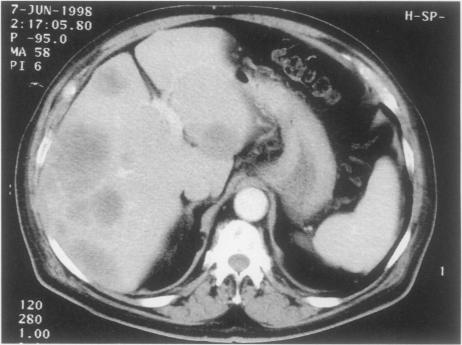
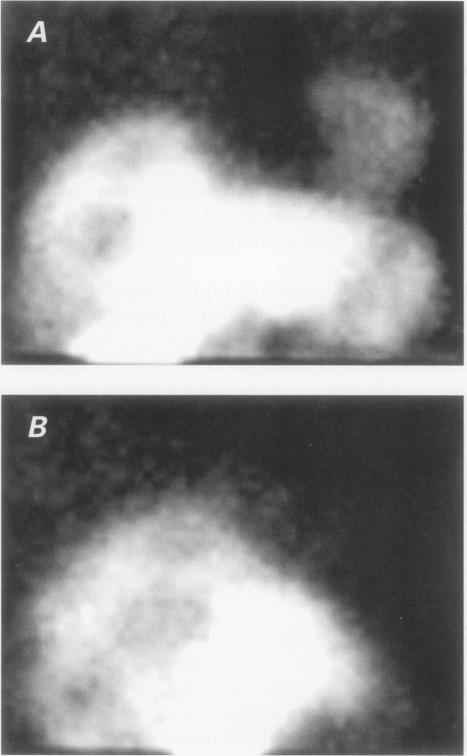
Technetium 99m sestamibi is widely used in the evaluation of myocardial perfusion imaging. Although the aim of such imaging is cardiac evaluation, numerous other organs are included in the imaging field. Failure to identify incidental abnormal findings in these organs delays diagnosis and treatment. In common with other radiopharmaceutical agents, technetium 99m sestamibi is distributed throughout the body and accumulates in multiple tissues. When interpreting studies that involve this radiotracer, the physician must be aware of its physiologic distribution, in order to recognize abnormal uptake. We present an illustrative case in which areas of decreased tracer activity were noted incidentally during the evaluation of unprocessed single photon emission computed tomography data. These findings were due to metastasis of colon cancer to the liver.
锝99m甲氧基异丁基异腈广泛用于心肌灌注显像评估。尽管此类显像的目的是心脏评估,但成像视野中还包括许多其他器官。未能识别这些器官中的偶然异常发现会延迟诊断和治疗。与其他放射性药物一样,锝99m甲氧基异丁基异腈分布于全身并在多个组织中蓄积。在解读涉及这种放射性示踪剂的研究时,医生必须了解其生理分布,以便识别异常摄取。我们展示一个典型病例,在未处理的单光子发射计算机断层扫描数据评估过程中偶然发现示踪剂活性降低区域。这些发现是由于结肠癌转移至肝脏所致。