Mortimer James A, Borenstein Amy R, Gosche Karen M, Snowdon David A
Department of Epidemiology and Biostatistics, College of Public Health, University of South Florida, Tampa, FL 33612-3899, USA.
J Geriatr Psychiatry Neurol. 2005 Dec;18(4):218-23. doi: 10.1177/0891988705281869.
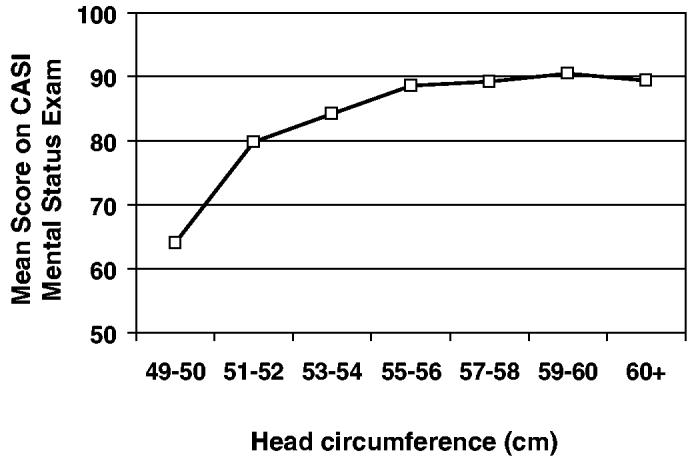
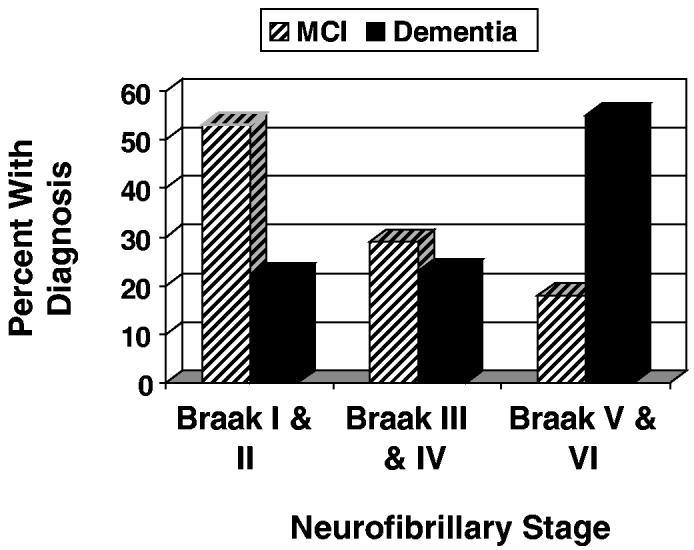
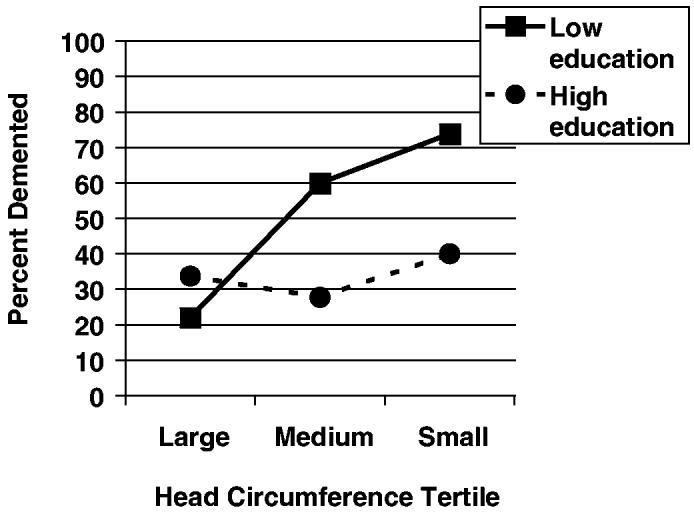
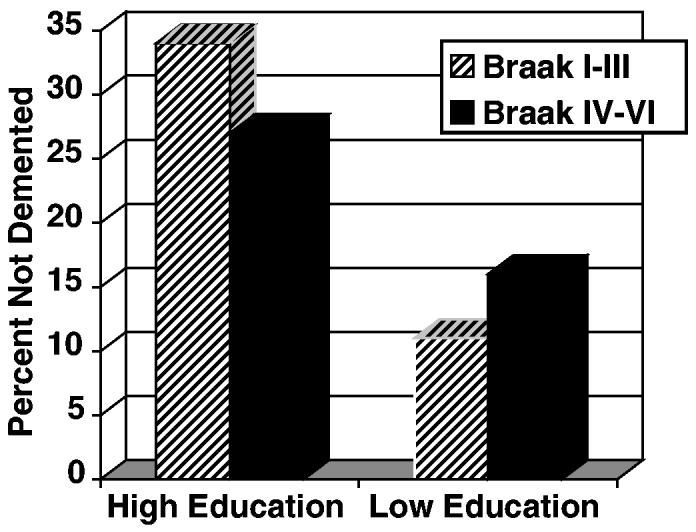
Numerous studies show that the pathology of Alzheimer's disease is present decades before a clinical diagnosis of dementia can be made. Given the likelihood that agents will become available that reliably delay onset and/or slow progression of Alzheimer's disease, it will be important to detect preclinical Alzheimer's disease as early as possible for maximal treatment effect. Detection of individuals by sensitive cognitive measures provides one way to identify people who are at high risk of developing clinical Alzheimer's disease. However, it is likely that those with considerable brain or cognitive reserve will be able to mask cognitive deficits until very close to the onset of the dementia, rendering such cognitive measures insensitive. Optimum biomarkers for Alzheimer's disease therefore need to target the severity of underlying brain pathology independently of brain reserve. Findings are presented showing the importance of higher education and larger brain size in masking the underlying disease pathology.
大量研究表明,阿尔茨海默病的病理变化在临床诊断为痴呆症的数十年前就已存在。鉴于有可能出现能够可靠地延迟阿尔茨海默病发病和/或减缓其进展的药物,尽早检测出临床前阿尔茨海默病对于实现最大治疗效果至关重要。通过敏感的认知测量来检测个体是识别有发展为临床阿尔茨海默病高风险人群的一种方法。然而,那些具有相当大脑或认知储备的人可能能够掩盖认知缺陷,直到非常接近痴呆症发病时,这使得此类认知测量不够灵敏。因此,阿尔茨海默病的最佳生物标志物需要独立于大脑储备来针对潜在脑病理的严重程度。研究结果表明了高等教育和较大脑容量在掩盖潜在疾病病理方面的重要性。