
乙醇对口服缓释制剂中阿片类药物释放的影响。
The effect of ethanol on the release of opioids from oral prolonged-release preparations.
作者信息
Walden Malcolm, Nicholls Fiona A, Smith Kevin J, Tucker Geoffrey T
机构信息
Mundipharma Research Limited, Cambridge Science Park, Milton Road, Cambridge, UK.
出版信息
Drug Dev Ind Pharm. 2007 Oct;33(10):1101-11. doi: 10.1080/03639040701377292.
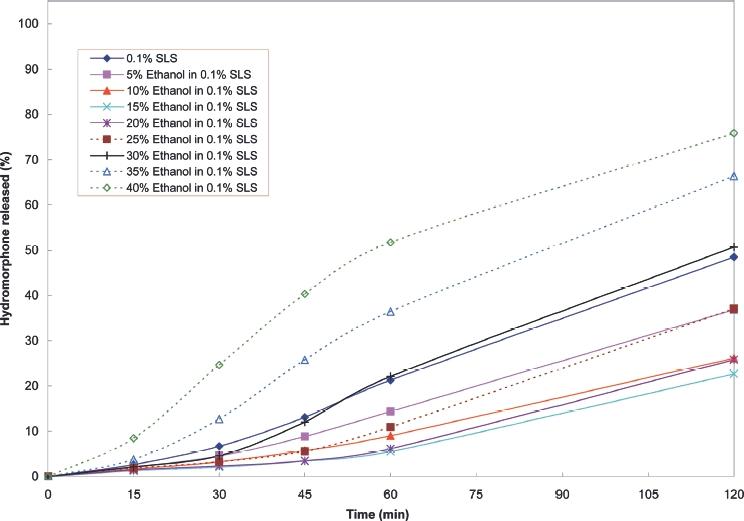
Recent experience has prompted the US FDA to consider whether ethanol ingestion may modify the release characteristics of prolonged-release formulations, where dose dumping may be an issue for patient safety. The influence of ethanol on the in vitro release of opioid drugs from some prolonged-release formulations utilizing different release technologies was examined. Results indicated that the prolonged-release mechanisms remained intact under the testing conditions, although one product showed initial sensitivity to ethanol in its release characteristics. Nevertheless, in this case, extrapolation of the findings to likely outcome in vivo indicated no risk of dose-dumping. It is proposed that prolonged-release medicinal products should be tested during development to ensure robustness to the effects of ethanol on drug release.
近期的经验促使美国食品药品监督管理局(US FDA)思考乙醇摄入是否会改变缓释制剂的释放特性,因为剂量突释可能会对患者安全构成问题。研究了乙醇对一些采用不同释放技术的阿片类药物缓释制剂体外释放的影响。结果表明,尽管有一种产品在释放特性上对乙醇表现出初始敏感性,但在测试条件下缓释机制仍保持完整。然而,在这种情况下,将研究结果外推至体内可能出现的结果表明不存在剂量突释风险。建议在缓释药品研发过程中进行测试,以确保其对乙醇影响药物释放具有稳健性。




 Zotero 插件