Maharaj Chrisen H, O'Toole Daniel, Lynch Tadhg, Carney John, Jarman James, Higgins Brendan D, Morrison John J, Laffey John G
Department of Anaesthesia, University College Hospital, Galway, Ireland.
Reprod Biol Endocrinol. 2009 Apr 23;7:34. doi: 10.1186/1477-7827-7-34.
Sildenafil citrate, a specific phosphodiesterase-5 inhibitor, is increasingly used for pulmonary hypertension in pregnancy. Sildenafil is also emerging as a potential candidate for the treatment of intra-uterine growth retardation and for premature labor. Its effects in the feto-placental circulation are not known. Our objectives were to determine whether phosphodiesterase-5 is present in the human feto-placental circulation, and to characterize the effects and mechanisms of action of sildenafil citrate in this circulation.
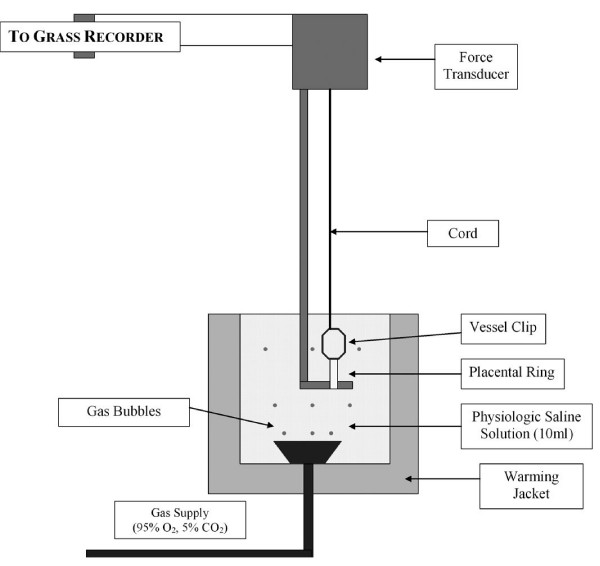
Ex vivo human chorionic plate arterial rings were used in all experiments. The presence of phosphodiesterase-5 in the feto-placental circulation was determined by western blotting and immunohistochemical staining. In a subsequent series of pharmacologic studies, the effects of sildenafil citrate in pre-constricted chorionic plate arterial rings were determined. Additional studies examined the role of cGMP and nitric oxide in mediating the effects of sildenafil.
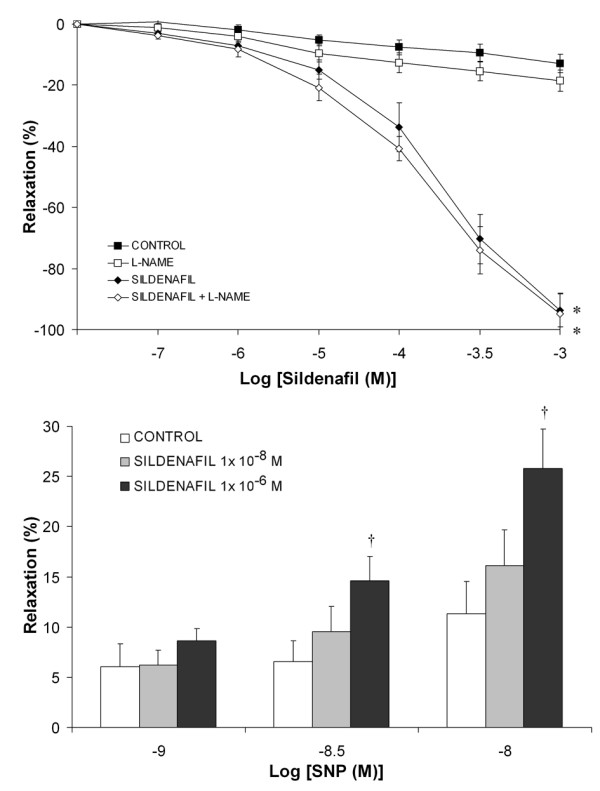
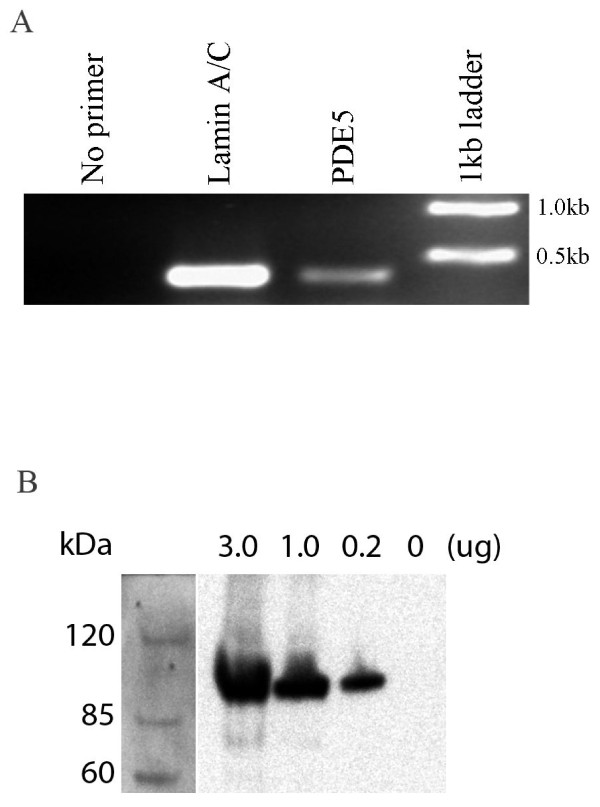
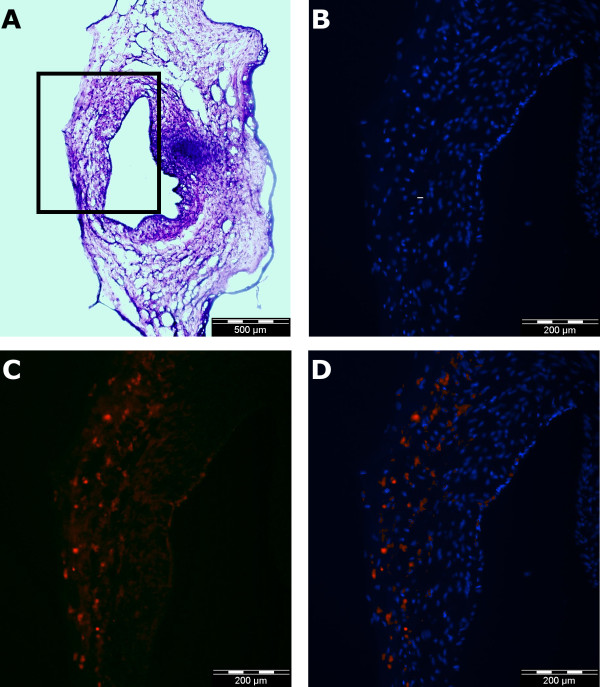
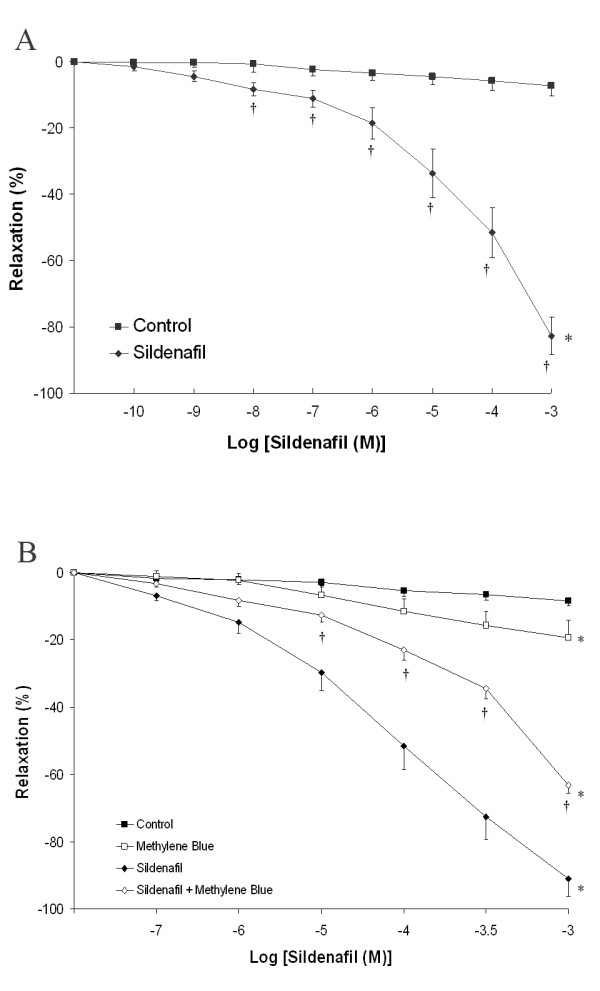
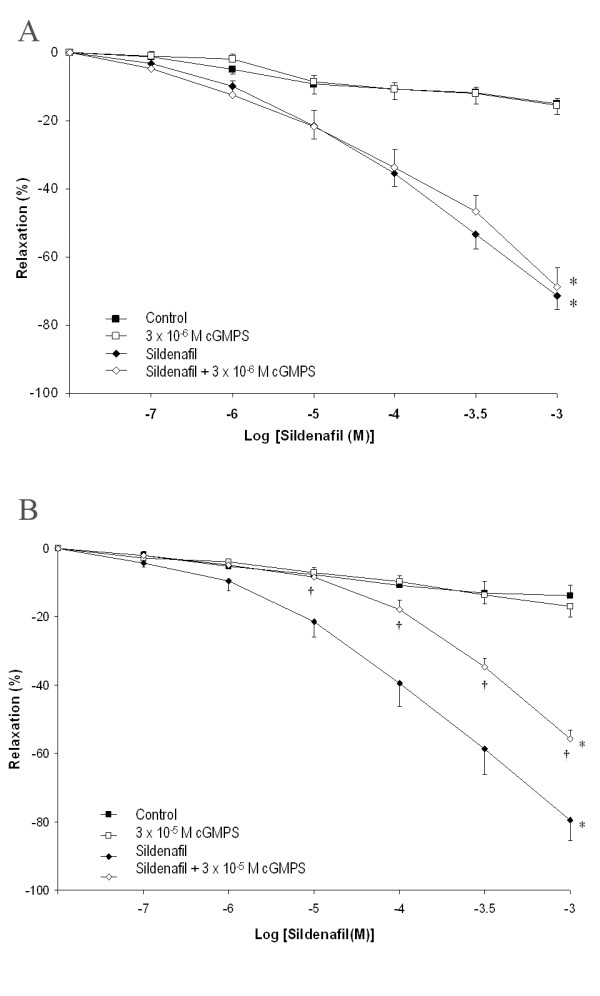
Phosphodiesterase-5 mRNA and protein was demonstrated in human chorionic plate arteries. Immunohistochemistry demonstrated phosphodiesterase-5 within the arterial muscle layer. Sildenafil citrate produced dose dependent vasodilatation at concentrations at and greater than 10 nM. Both the direct cGMP inhibitor methylene blue and the cGMP-dependent protein kinase inhibitor Rp-8-Br-PET-cGMPS significantly attenuated the vasodilation produced by sildenafil citrate. Inhibition of NO production with L-NAME did not attenuate the vasodilator effects of sildenafil. In contrast, sildenafil citrate significantly enhanced the vasodilation produced by the NO donor sodium nitroprusside.
Phosphodiesterase-5 is present in the feto-placental circulation. Sildenafil citrate vasodilates the feto-placental circulation via a cGMP dependent mechanism involving increased responsiveness to NO.
枸橼酸西地那非是一种特异性磷酸二酯酶-5抑制剂,越来越多地用于治疗妊娠期肺动脉高压。西地那非也逐渐成为治疗宫内生长受限和早产的潜在候选药物。其在胎儿-胎盘循环中的作用尚不清楚。我们的目的是确定磷酸二酯酶-5是否存在于人体胎儿-胎盘循环中,并描述枸橼酸西地那非在该循环中的作用及作用机制。
所有实验均使用离体人绒毛膜板动脉环。通过蛋白质印迹法和免疫组织化学染色确定胎儿-胎盘循环中磷酸二酯酶-5的存在。在随后的一系列药理学研究中,测定了枸橼酸西地那非对预收缩的绒毛膜板动脉环的作用。其他研究考察了环磷酸鸟苷(cGMP)和一氧化氮在介导西地那非作用中的作用。
在人绒毛膜板动脉中证实了磷酸二酯酶-5的信使核糖核酸(mRNA)和蛋白质。免疫组织化学显示动脉肌层内有磷酸二酯酶-5。枸橼酸西地那非在浓度为10 nM及以上时产生剂量依赖性血管舒张作用。直接的cGMP抑制剂亚甲蓝和cGMP依赖性蛋白激酶抑制剂Rp-8-Br-PET-cGMPS均显著减弱了枸橼酸西地那非产生的血管舒张作用。用L-硝基精氨酸甲酯(L-NAME)抑制一氧化氮生成并未减弱西地那非的血管舒张作用。相反,枸橼酸西地那非显著增强了一氧化氮供体硝普钠产生的血管舒张作用。
磷酸二酯酶-5存在于胎儿-胎盘循环中。枸橼酸西地那非通过一种依赖cGMP的机制使胎儿-胎盘循环血管舒张,该机制涉及对一氧化氮的反应性增加。