Department of Microbiology, Biochemistry, & Immunology, Morehouse School of Medicine, Atlanta, GA 30310, USA.
Vaccine. 2012 Feb 1;30(6):1181-90. doi: 10.1016/j.vaccine.2011.12.020. Epub 2011 Dec 14.
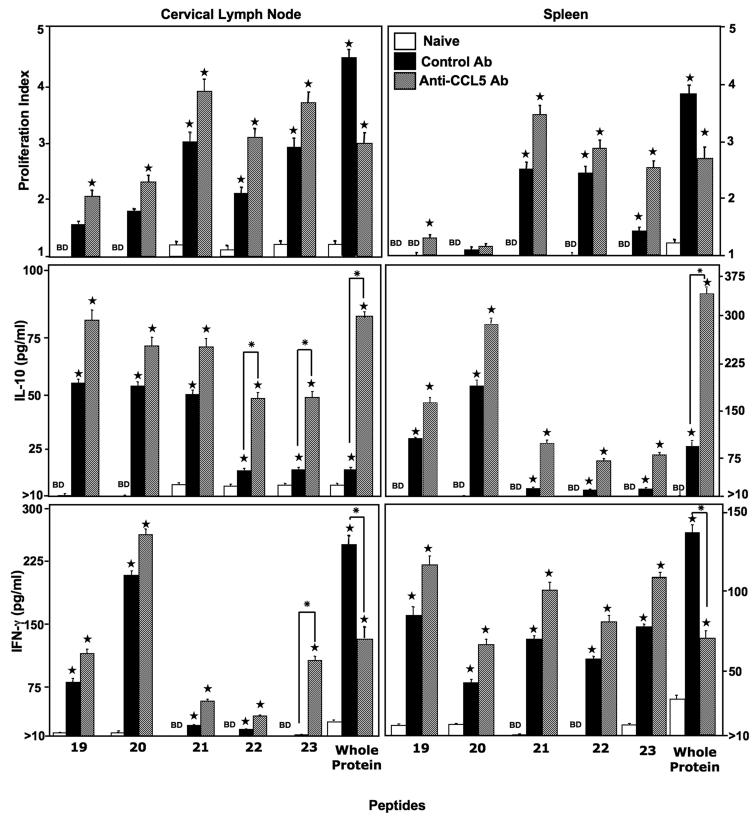
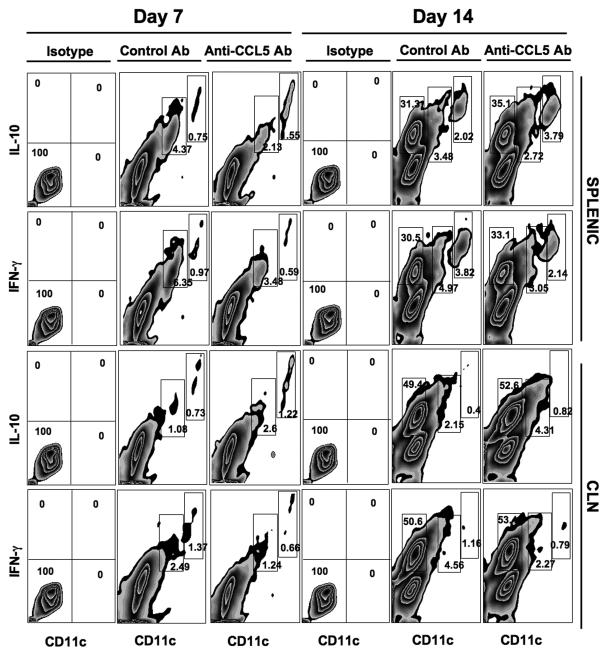
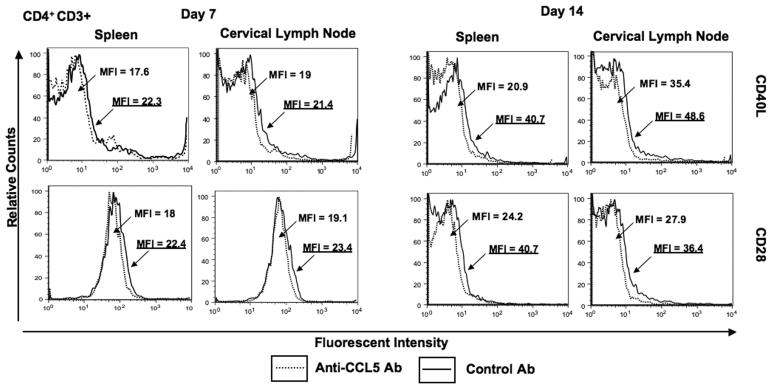
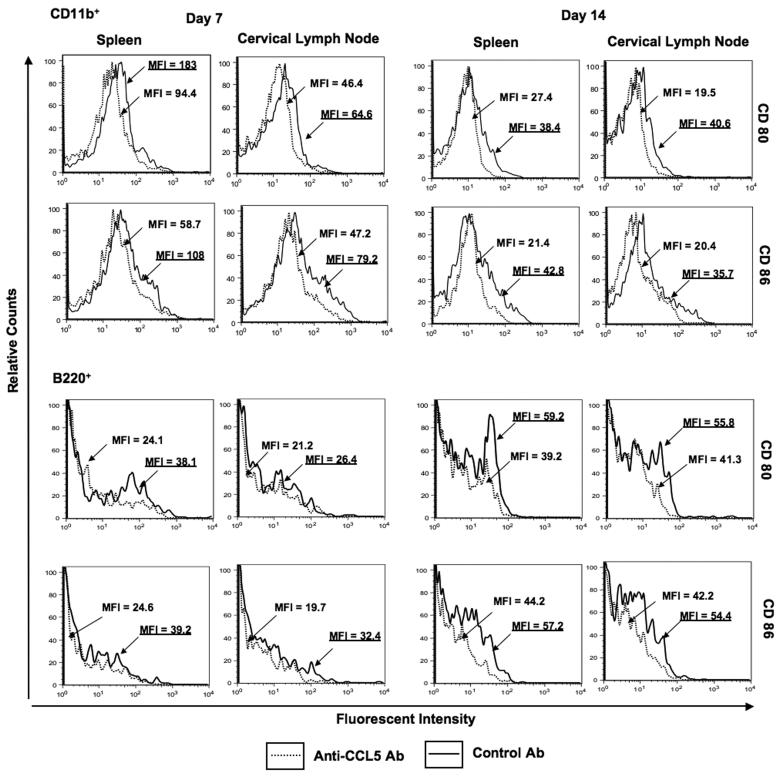
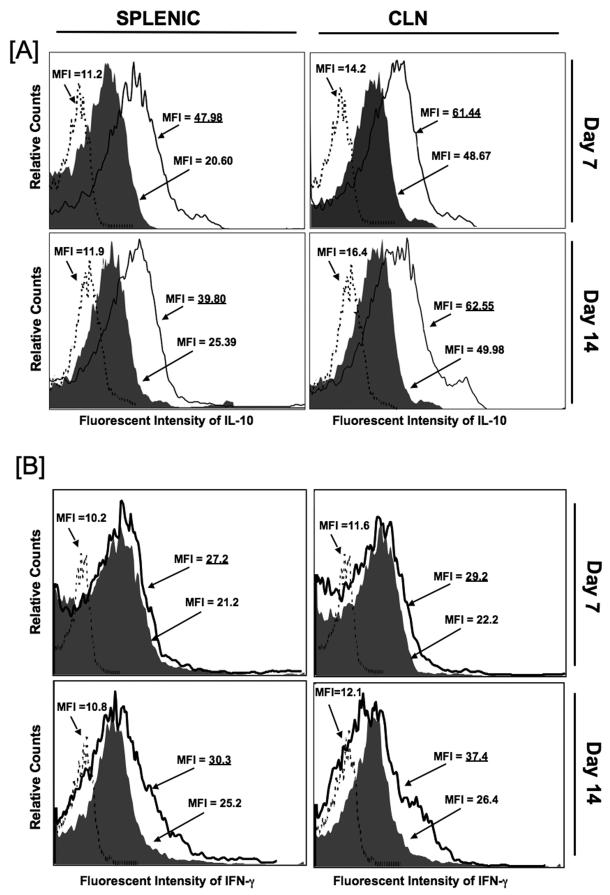
Understanding the requirements for protection against pneumococcal carriage and pneumonia will greatly benefit efforts in controlling these diseases. Several antigens, in addition to the polysaccharide capsule, have been implicated in both the virulence and protective immunity against Streptococcus pneumoniae; one of the best-studied S. pneumoniae antigens is pneumococcal surface protein A (PspA). Recently, it was shown that genetic polymorphisms could diminish CCL5 expression, which results in increased susceptibility to and progression of infectious diseases. We previously showed CCL5 blockade reduced PspA-specific humoral and cellular pneumococcal immunity, during S. pneumoniae strain EF3030-induced carriage, by diminishing IFN-γ and enhancing IL-10 secretion by effector T cells. We also identified immuno-dominant helper T lymphocyte (HTL) epitopes in PspA peptide 19-23 (PspA(199-246)), which caused comparatively more cytokine secretion and proliferation responses by splenic and cervical lymph node (CLN) CD4(+) T cells from mice previously challenged with S. pneumoniae strain EF3030. In this study, we sought to determine if PspA(199-246)-specific CD4(+) T cells responses were resistant to the effect of CCL5 deficiency. In short, T cell responses against these HTL epitopes were resistant to CCL5 inhibition, than compared to cells from control or naïve mice, and unaffected by reduced co-stimulatory molecule expression caused by CCL5 blockade. CCL5 deficiency also corresponded with a higher number of IL-10(+) CD11b(+) CD11c(Lo) and CD11b(+) CD11c(Hi) cells and lower IFN-γ expression by similar cells, than compared to controls. These data confirm CCL5 is an essential factor for optimal pneumococcal adaptive immunity and show CD4(+) T cell responses to PspA(199-246) are largely resistant to CCL5 deficiency.
了解针对肺炎球菌携带和肺炎的保护要求将极大地有益于控制这些疾病的努力。除多糖荚膜外,几种抗原都与肺炎链球菌的毒力和保护性免疫有关;研究最多的肺炎链球菌抗原之一是肺炎球菌表面蛋白 A(PspA)。最近,研究表明遗传多态性可能会降低 CCL5 的表达,从而导致对传染病的易感性和进展增加。我们之前曾表明,在 EF3030 肺炎球菌株诱导携带期间,CCL5 阻断通过减少 IFN-γ 并增强效应 T 细胞中 IL-10 的分泌,降低了 PspA 特异性体液和细胞性肺炎球菌免疫。我们还鉴定了 PspA 肽 19-23(PspA(199-246))中的免疫显性辅助性 T 淋巴细胞(HTL)表位,这些表位引起先前用 EF3030 肺炎球菌株挑战的小鼠的脾和颈淋巴结(CLN)CD4(+)T 细胞分泌更多的细胞因子并增殖。在这项研究中,我们试图确定 PspA(199-246)-特异性 CD4(+)T 细胞反应是否对 CCL5 缺乏的影响有抵抗力。简而言之,与对照或未致敏小鼠的细胞相比,针对这些 HTL 表位的 T 细胞反应对 CCL5 抑制具有抗性,并且不受 CCL5 阻断引起的共刺激分子表达减少的影响。与对照相比,CCL5 缺乏还与更多的 IL-10(+)CD11b(+)CD11c(Lo)和 CD11b(+)CD11c(Hi)细胞以及类似细胞中 IFN-γ 的表达降低有关。这些数据证实 CCL5 是肺炎球菌适应性免疫的重要因素,并表明 PspA(199-246)的 CD4(+)T 细胞反应在很大程度上对 CCL5 缺乏具有抗性。