Cain Kristal E, Ketterson Ellen D
Department of Biology, Indiana University, Bloomington, IN 47405, USA.
Behav Ecol Sociobiol. 2012 Feb 1;66(2):241-252. doi: 10.1007/s00265-011-1272-5.
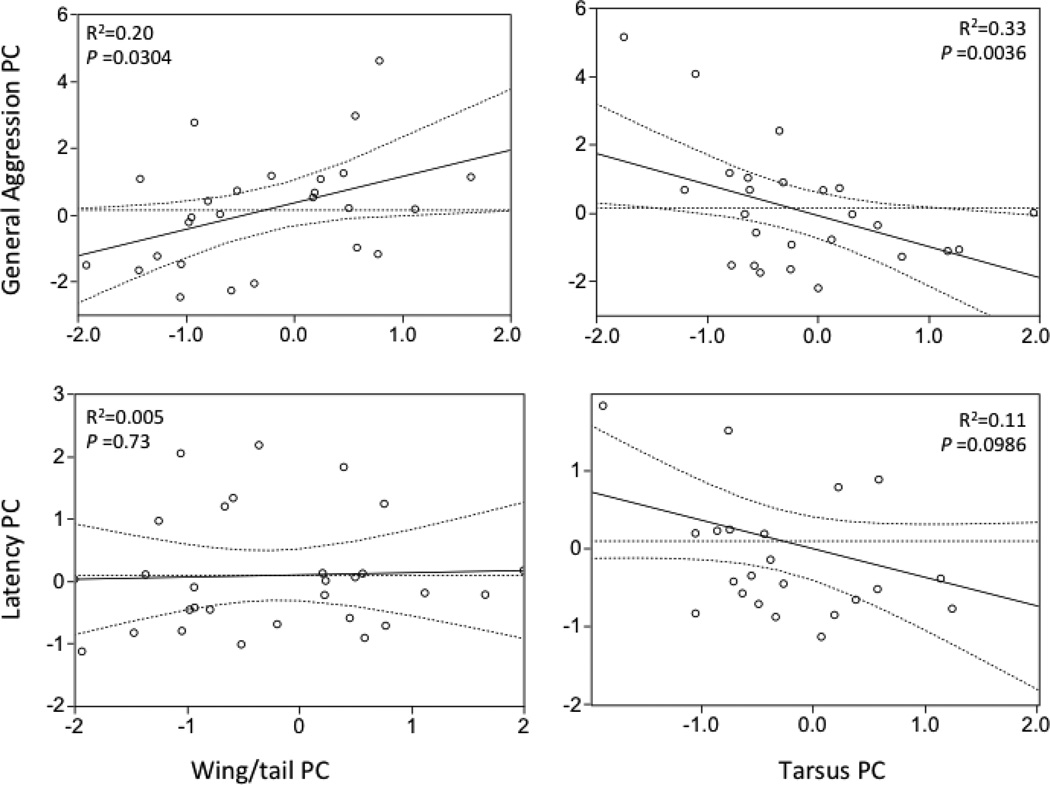
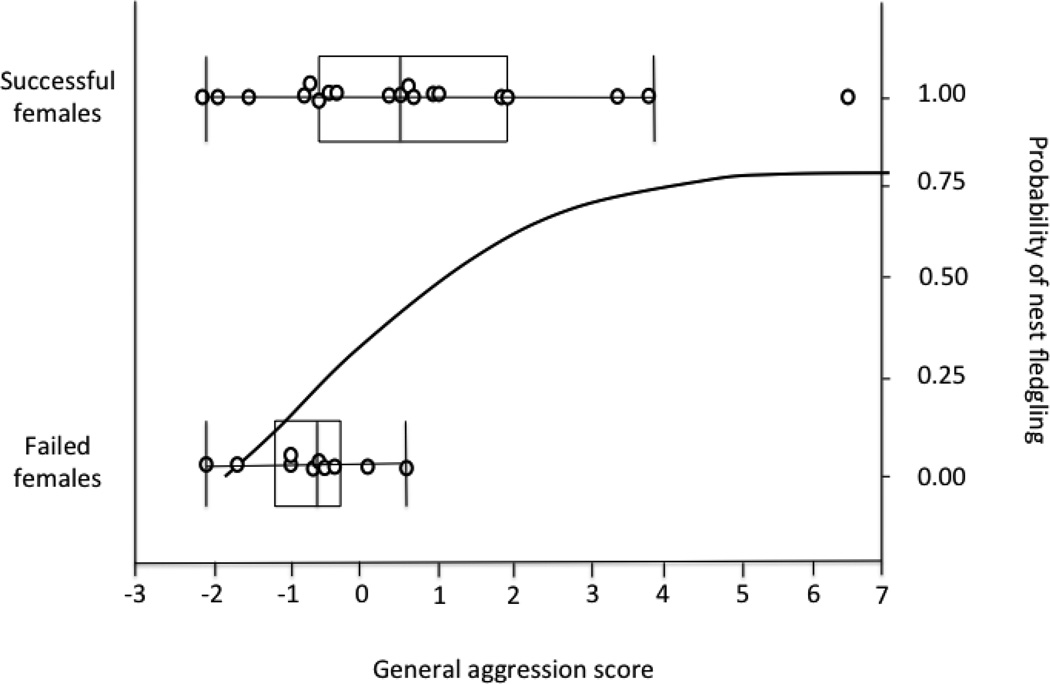
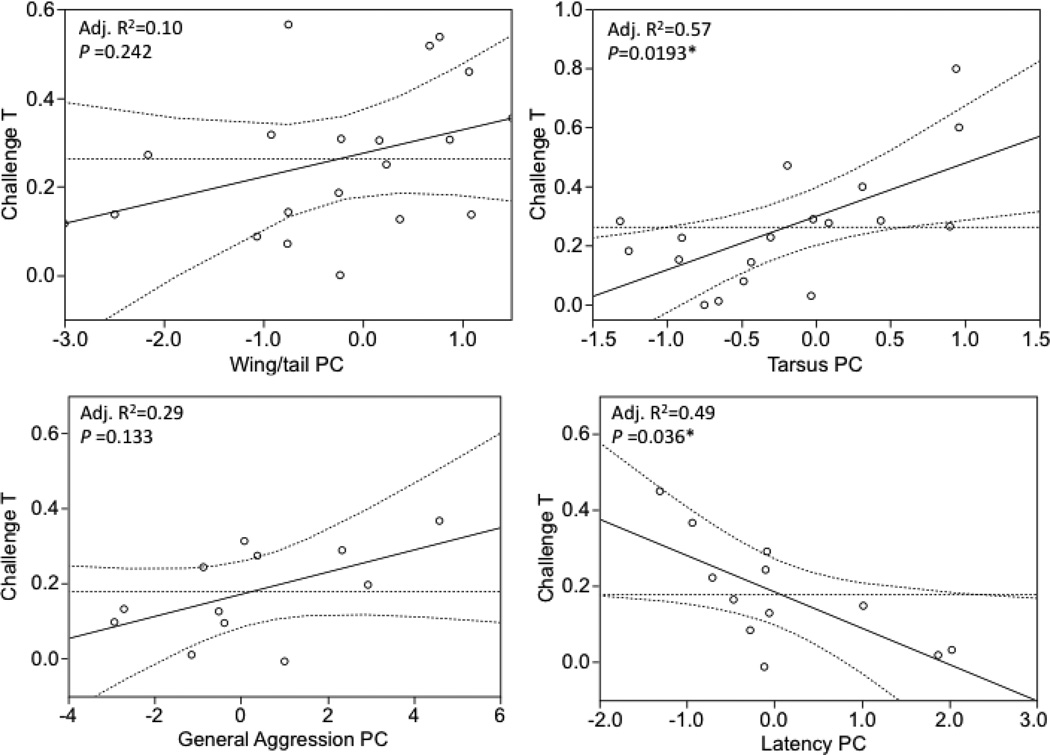
In a variety of taxa, male reproductive success is positively related to expression of costly traits such as large body size, ornaments, armaments, and aggression. These traits are thought to improve male competitive ability, and thus access to limited reproductive resources. Females of many species also express competitive traits. However, we know very little about the consequences of individual variation in competitive traits and the mechanisms that regulate their expression in females. Consequently, it is currently unclear whether females express competitive traits owing to direct selection or as an indirect result of selection on males. Here we examine females of a mildly dimorphic songbird (Junco hyemalis) to determine whether females, show positive covariance in traits (morphology and behavior) that may be important in a competition. We also examine whether trait expression relates either to testosterone (T) in terms of mechanism or to reproductive success in terms of function. We found that larger females were more aggressive and that greater ability to produce T in response to a physiological challenge consisting of a standardized injection of gonadotropin releasing hormone (GnRH) predicted some measures of female body size and aggression. Finally, we found that aggressive females had greater reproductive success. We conclude that testosterone may influence female phenotype and that females may benefit from expressing a competitive phenotype. We also suggest that the mild dimorphism observed in many species may be due in part to direct selection on females rather than simply a correlated response to selection in males.
在多种分类群中,雄性的繁殖成功率与一些代价高昂的性状的表达呈正相关,如大体型、装饰物、武器和攻击性。这些性状被认为能提高雄性的竞争能力,从而获取有限的繁殖资源。许多物种的雌性也表现出竞争性状。然而,我们对竞争性状的个体差异所产生的后果以及调节其在雌性中表达的机制知之甚少。因此,目前尚不清楚雌性表达竞争性状是由于直接选择还是作为对雄性选择的间接结果。在这里,我们研究了一种具有轻微两性异形的鸣禽(灯草鹀)的雌性,以确定雌性在可能对竞争很重要的性状(形态和行为)上是否表现出正协方差。我们还研究了性状表达在机制上是否与睾酮(T)相关,以及在功能上是否与繁殖成功率相关。我们发现体型较大的雌性更具攻击性,并且在对由标准化注射促性腺激素释放激素(GnRH)构成的生理挑战产生反应时,产生T的能力更强,这预测了雌性身体大小和攻击性的一些指标。最后,我们发现具有攻击性的雌性具有更高的繁殖成功率。我们得出结论,睾酮可能会影响雌性表型,并且雌性可能会从表达竞争表型中受益。我们还认为,在许多物种中观察到的轻微两性异形可能部分归因于对雌性的直接选择,而不仅仅是对雄性选择的相关反应。