
基于过程的肺动脉高压小鼠模型综述。
A process-based review of mouse models of pulmonary hypertension.
机构信息
Department of Internal Medicine, University of Arkansas Medical Sciences, Little Rock, Arkansas, USA.
出版信息
Pulm Circ. 2012 Oct;2(4):415-33. doi: 10.4103/2045-8932.105030.
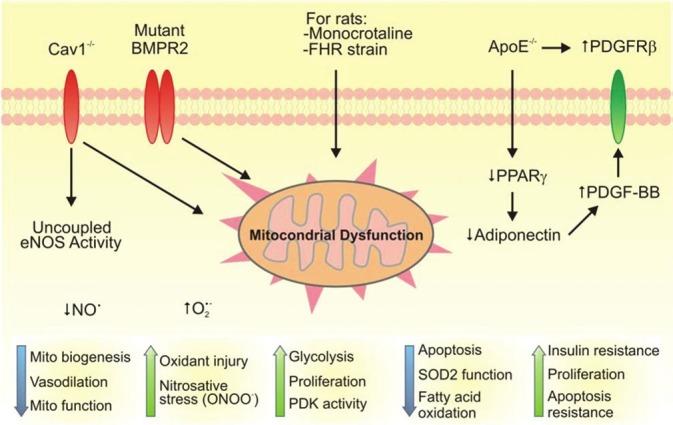
Genetically modified mouse models have unparalleled power to determine the mechanisms behind different processes involved in the molecular and physiologic etiology of various classes of human pulmonary hypertension (PH). Processes known to be involved in PH for which there are extensive mouse models available include the following: (1) Regulation of vascular tone through secreted vasoactive factors; (2) regulation of vascular tone through potassium and calcium channels; (3) regulation of vascular remodeling through alteration in metabolic processes, either through alteration in substrate usage or through circulating factors; (4) spontaneous vascular remodeling either before or after development of elevated pulmonary pressures; and (5) models in which changes in tone and remodeling are primarily driven by inflammation. PH development in mice is of necessity faster and with different physiologic ramifications than found in human disease, and so mice make poor models of natural history of PH. However, transgenic mouse models are a perfect tool for studying the processes involved in pulmonary vascular function and disease, and can effectively be used to test interventions designed against particular molecular pathways and processes involved in disease.
基因编辑小鼠模型在确定人类不同类型肺动脉高压(PH)分子和生理病因中涉及的不同过程的机制方面具有无与伦比的力量。已知与 PH 有关的、有大量小鼠模型可用的过程包括以下几种:(1)通过分泌的血管活性因子调节血管张力;(2)通过钾和钙通道调节血管张力;(3)通过改变代谢过程来调节血管重塑,要么通过改变底物的使用,要么通过循环因子;(4)在肺动脉压升高之前或之后自发发生血管重塑;以及(5)在这些模型中,张力和重塑的变化主要由炎症驱动。与人类疾病相比,小鼠的 PH 发展必然更快,并且具有不同的生理后果,因此小鼠并不是 PH 自然史的理想模型。然而,转基因小鼠模型是研究肺血管功能和疾病相关过程的完美工具,可有效地用于测试针对疾病中涉及的特定分子途径和过程的干预措施。


 Zotero 插件