Schwartz L M, Kosz L, Kay B K
Department of Zoology, University of Massachusetts, Amherst 01003.
Proc Natl Acad Sci U S A. 1990 Sep;87(17):6594-8. doi: 10.1073/pnas.87.17.6594.
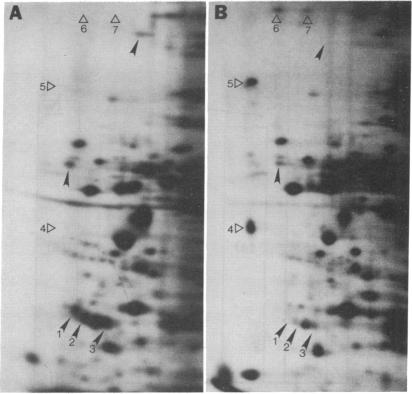
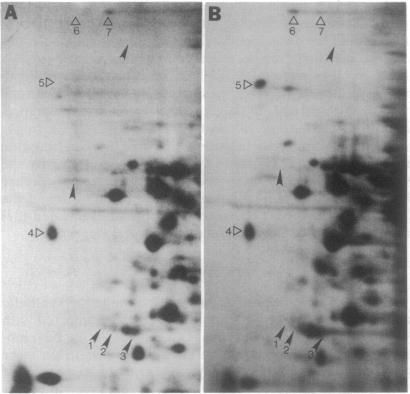
The intersegmental muscles of the tobacco hawkmoth Manduca sexta die during the 36-hr period after metamorphosis. The trigger for cell death is a fall in the ecdysteroid titer. Commitment of the intersegmental muscles to degenerate involves selective repression and activation of ecdysteroid-responsive genes. When the pattern of gene expression is altered after injection of either 20-hydroxyecdysone or actinomycin D, the muscles persist. cDNA clones have been isolated for four genes that become abundantly expressed coincident with the commitment to degenerate. The data presented here indicate that programmed cell death is not due to the cessation of macromolecular synthesis in condemned cells but rather is due to the activation of a differentiative pathway.
烟草天蛾(烟草天蛾)的节间肌在变态后的36小时内死亡。细胞死亡的触发因素是蜕皮甾类激素滴度的下降。节间肌退化的过程涉及蜕皮甾类激素反应基因的选择性抑制和激活。当注射20-羟基蜕皮酮或放线菌素D后基因表达模式发生改变时,肌肉会持续存在。已经分离出四个与退化过程中大量表达的基因对应的cDNA克隆。这里给出的数据表明,程序性细胞死亡不是由于被判定死亡的细胞中大分子合成的停止,而是由于一种分化途径的激活。