Infection and Cancer Program, Tumor Virology Division (F010), German Cancer Research Center (DKFZ), Heidelberg, Germany.
EMBO Mol Med. 2013 Oct;5(10):1537-55. doi: 10.1002/emmm.201302796. Epub 2013 Sep 17.
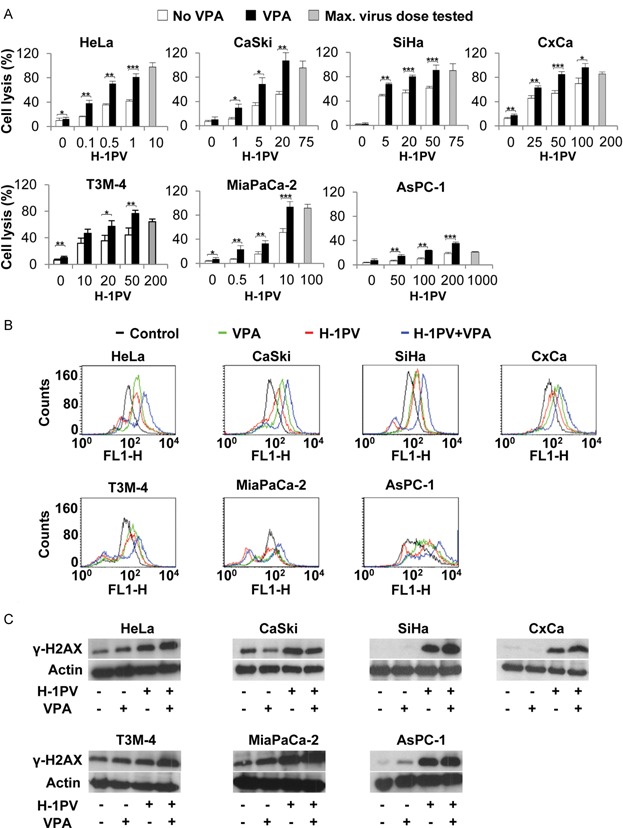
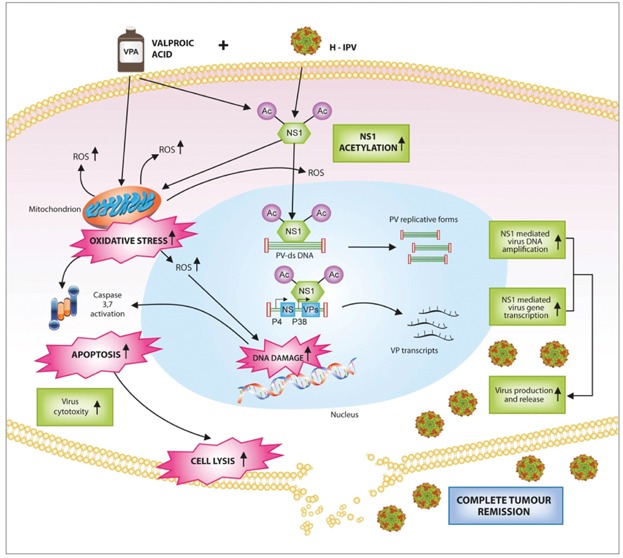
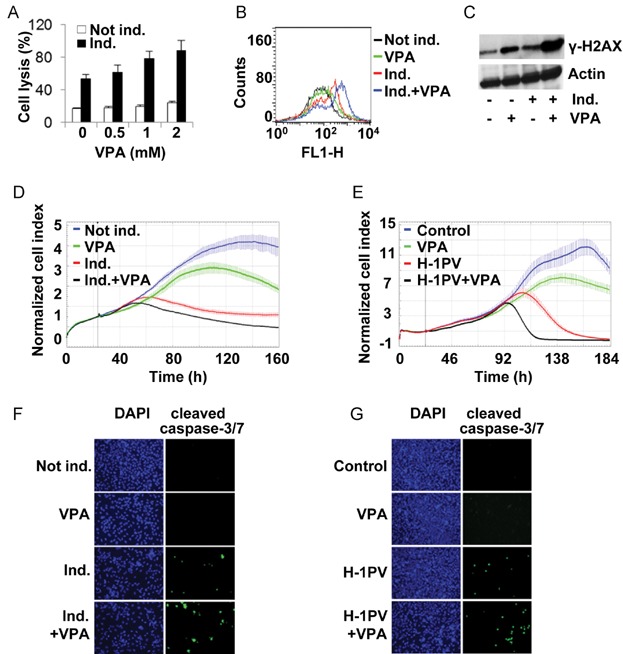
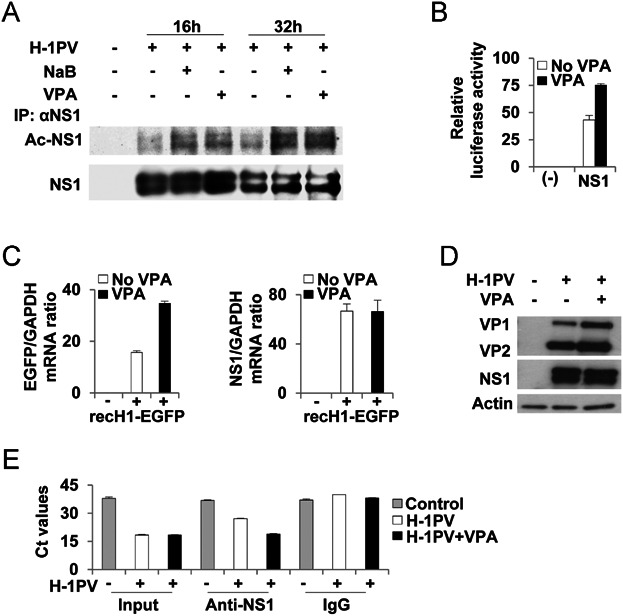
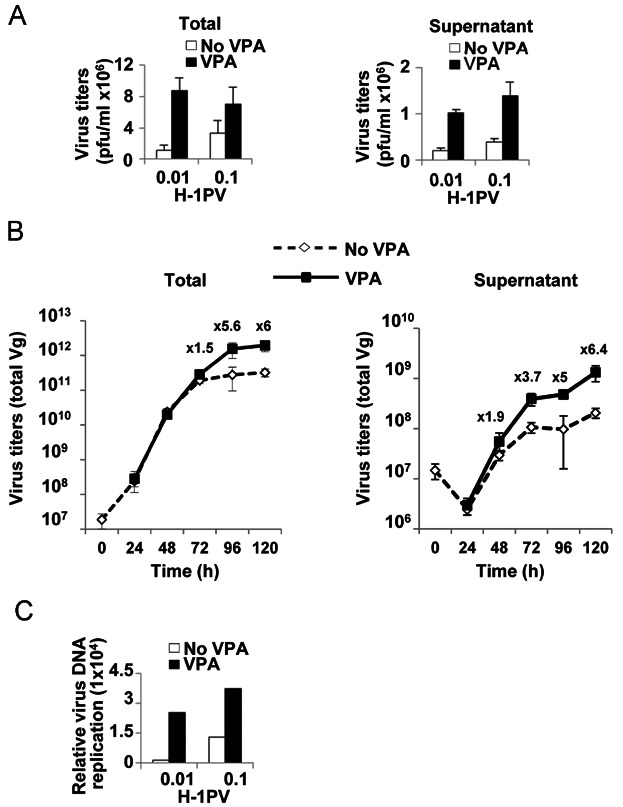
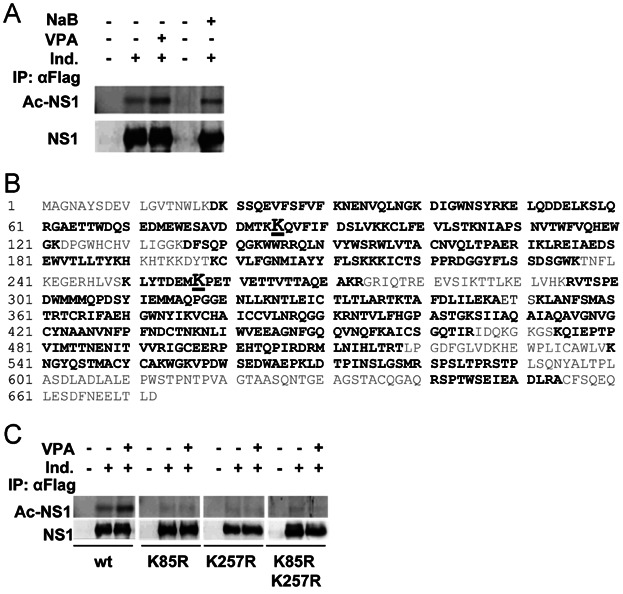
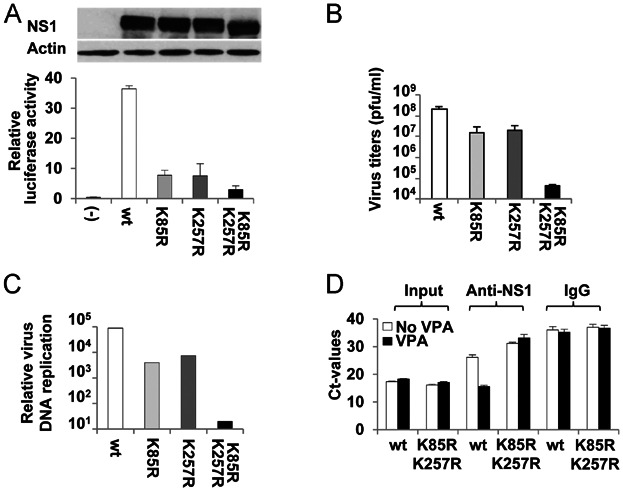
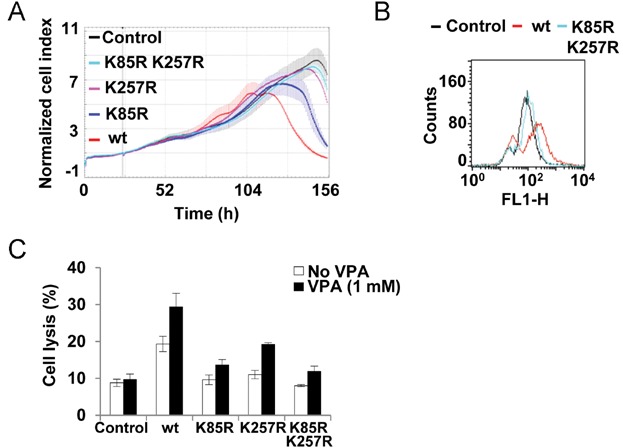
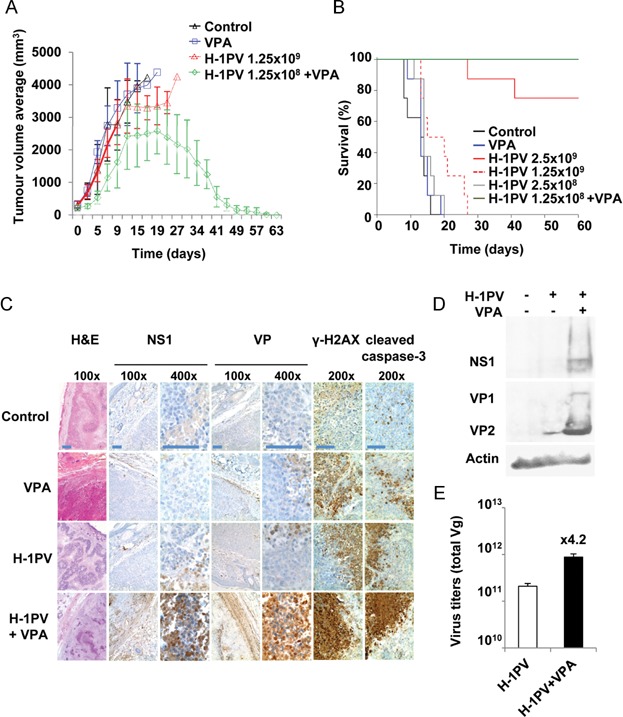
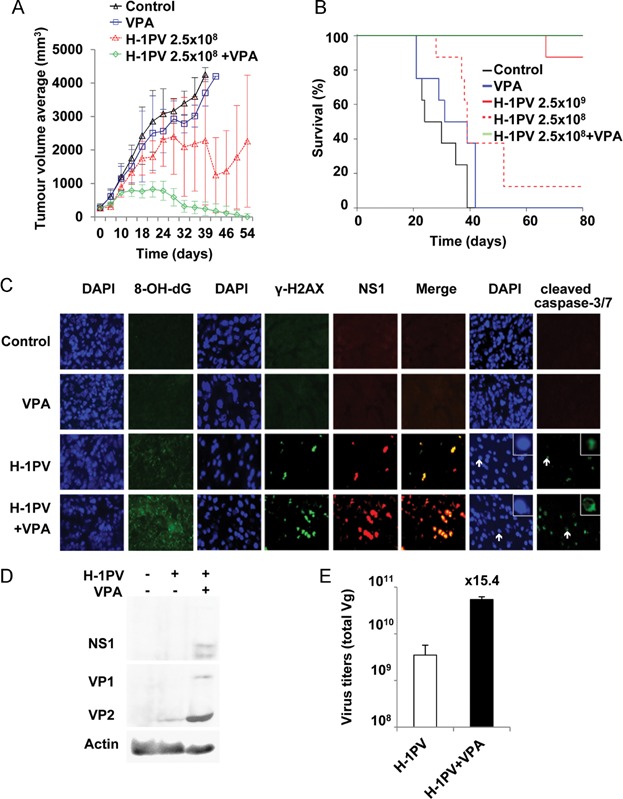
The rat parvovirus H-1PV has oncolytic and tumour-suppressive properties potentially exploitable in cancer therapy. This possibility is being explored and results are encouraging, but it is necessary to improve the oncotoxicity of the virus. Here we show that this can be achieved by co-treating cancer cells with H-1PV and histone deacetylase inhibitors (HDACIs) such as valproic acid (VPA). We demonstrate that these agents act synergistically to kill a range of human cervical carcinoma and pancreatic carcinoma cell lines by inducing oxidative stress, DNA damage and apoptosis. Strikingly, in rat and mouse xenograft models, H-1PV/VPA co-treatment strongly inhibits tumour growth promoting complete tumour remission in all co-treated animals. At the molecular level, we found acetylation of the parvovirus nonstructural protein NS1 at residues K85 and K257 to modulate NS1-mediated transcription and cytotoxicity, both of which are enhanced by VPA treatment. These results warrant clinical evaluation of H-1PV/VPA co-treatment against cervical and pancreatic ductal carcinomas.
细小病毒 H-1PV 具有溶瘤和肿瘤抑制特性,可用于癌症治疗。目前正在探索这种可能性,结果令人鼓舞,但有必要提高病毒的致癌毒性。在这里,我们证明通过用 H-1PV 和组蛋白去乙酰化酶抑制剂(HDACIs)(如丙戊酸(VPA))共同处理癌细胞可以实现这一点。我们证明这些药物通过诱导氧化应激、DNA 损伤和细胞凋亡协同作用来杀死一系列人宫颈癌和胰腺癌细胞系。引人注目的是,在大鼠和小鼠异种移植模型中,H-1PV/VPA 共同治疗强烈抑制肿瘤生长,使所有接受共同治疗的动物完全缓解肿瘤。在分子水平上,我们发现细小病毒非结构蛋白 NS1 上残基 K85 和 K257 的乙酰化可调节 NS1 介导的转录和细胞毒性,VPA 处理均可增强这两种作用。这些结果证明了 H-1PV/VPA 共同治疗对宫颈癌和胰腺导管腺癌的临床评估是合理的。