School of Cancer Sciences, University of Birmingham, Birmingham B15 2TT, UK.
1] School of Health and Population Sciences, University of Birmingham, Birmingham B15 2TT, UK [2] Department of Complex Genetics, Cluster of Genetics and Cell Biology, NUTRIM School for Nutrition, Toxicology and Metabolism, Maastricht University Medical Centre, Maastricht, The Netherlands.
Br J Cancer. 2014 Feb 4;110(3):679-85. doi: 10.1038/bjc.2013.744. Epub 2013 Nov 28.
Epithelial cell adhesion molecule is overexpressed in bladder tumours and released from bladder cancer cells in vitro. We test the hypotheses that urinary EpCAM could act as a biomarker for primary bladder cancer detection and risk stratification.
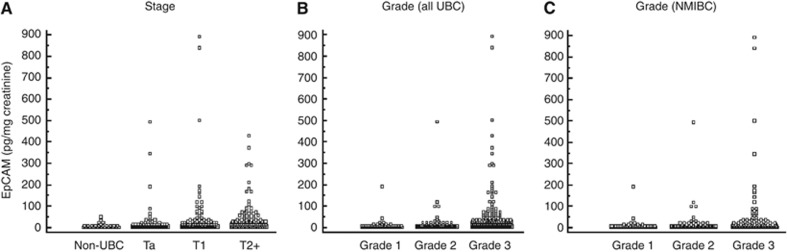
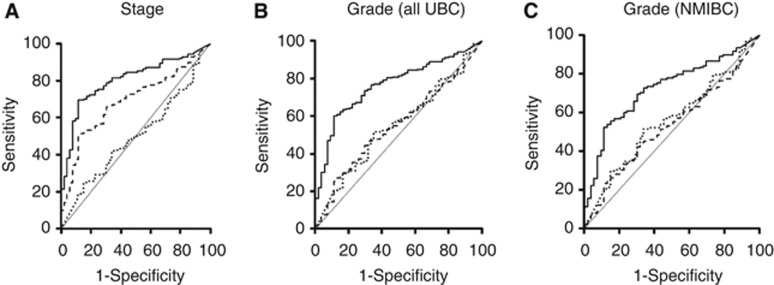
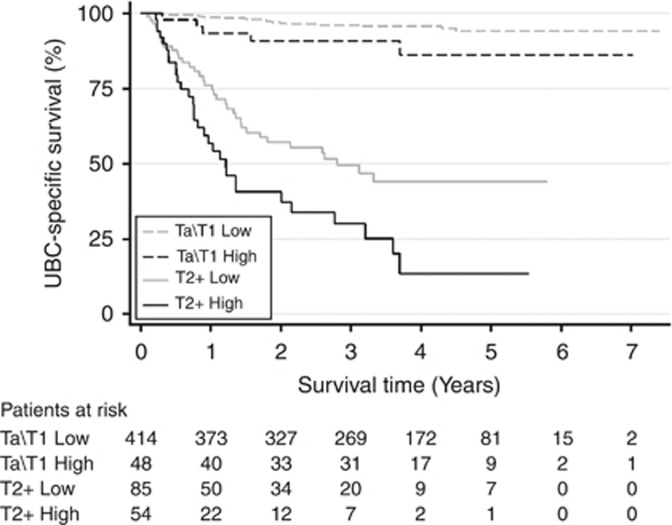
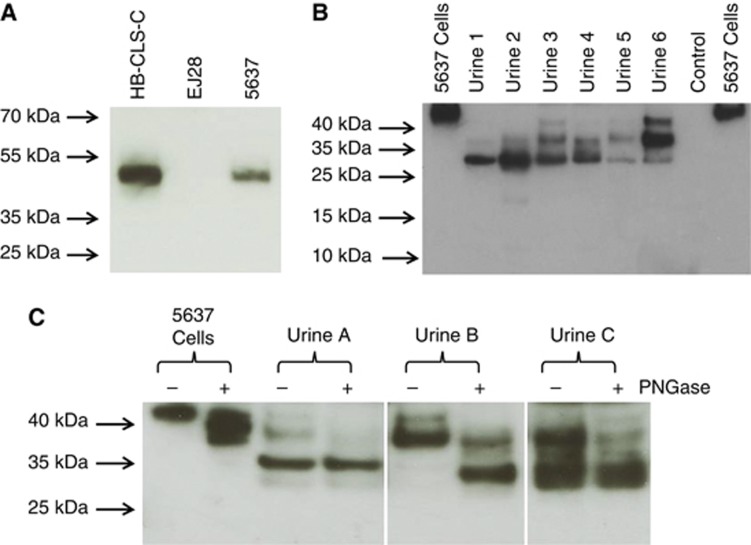
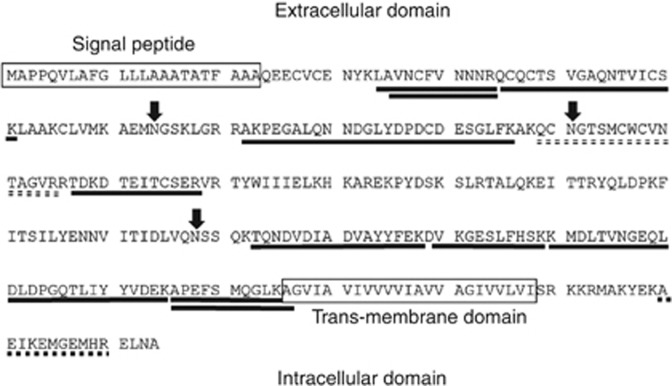
Epithelial cell adhesion molecule was measured by ELISA in urine from 607 patients with primary bladder tumours and in urine from 53 non-cancer controls. Mann-Whitney tests and ROC analyses were used to determine statistical significance and discrimination between non-cancer controls and different stages and grades of disease. Multivariable modelling and Kaplan-Meier analyses were used to determine prognostic significance. The structure of urinary EpCAM was investigated by western blotting and mass spectrometry.
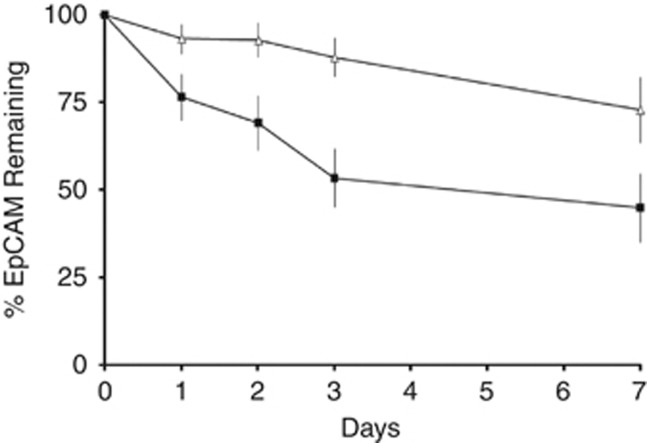
Urinary EpCAM levels increase with stage and grade of bladder cancer. Alongside grade and stage, elevated urinary EpCAM is an independent indicator of poor prognosis with a hazard ratio of 1.76 for bladder cancer-specific mortality. The soluble form of EpCAM in urine is the extracellular domain generated by cleavage between ala243 and gly244. Further studies are required to define the influence of other urinary tract malignancies and benign urological conditions on urinary EpCAM.
The extracellular domain of EpCAM is shed into urine by bladder tumours. Urinary EpCAM is a strong indicator of bladder cancer-specific survival, and may be useful within a multi-marker panel for disease detection or as a stand-alone marker to prioritise the investigation and treatment of patients. The mechanisms and effects of EpCAM cleavage in bladder cancer are worthy of further investigation, and may identify novel therapeutic targets.
上皮细胞黏附分子在膀胱癌中过度表达,并在体外从膀胱癌细胞中释放出来。我们检验了以下假设:尿上皮细胞黏附分子可作为原发性膀胱癌检测和风险分层的生物标志物。
通过 ELISA 法检测 607 例原发性膀胱癌患者和 53 例非癌症对照者的尿液中的上皮细胞黏附分子。采用 Mann-Whitney 检验和 ROC 分析来确定非癌症对照者与疾病的不同分期和分级之间的统计学意义和差异。采用多变量建模和 Kaplan-Meier 分析来确定预后意义。通过 Western 印迹和质谱分析研究尿上皮细胞黏附分子的结构。
尿上皮细胞黏附分子水平随膀胱癌的分期和分级而升高。除了分级和分期外,升高的尿上皮细胞黏附分子是膀胱癌特异性死亡率的不良预后的独立指标,危险比为 1.76。尿中 EpCAM 的可溶性形式是由 ala243 和 gly244 之间的切割产生的细胞外结构域。需要进一步研究来确定其他泌尿道恶性肿瘤和良性泌尿科疾病对尿上皮细胞黏附分子的影响。
上皮细胞黏附分子的细胞外结构域被膀胱癌释放到尿液中。尿上皮细胞黏附分子是膀胱癌特异性生存的强有力指标,可能在多标志物检测面板中用于疾病检测,或作为单独的标志物来优先对患者进行调查和治疗。上皮细胞黏附分子在膀胱癌中的切割机制和作用值得进一步研究,可能会发现新的治疗靶点。