Mutter Marion, Münch Thomas A
Centre for Integrative Neuroscience & Bernstein Center for Computational Biology, University Tübingen, Tübingen, Germany.
PLoS One. 2013 Nov 27;8(11):e81278. doi: 10.1371/journal.pone.0081278. eCollection 2013.
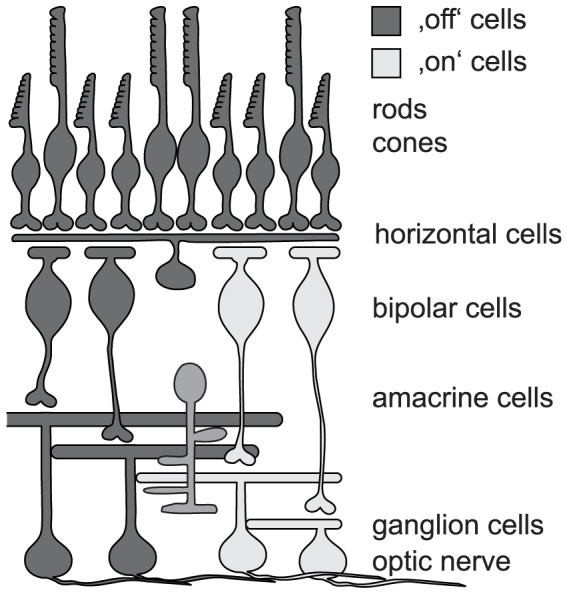
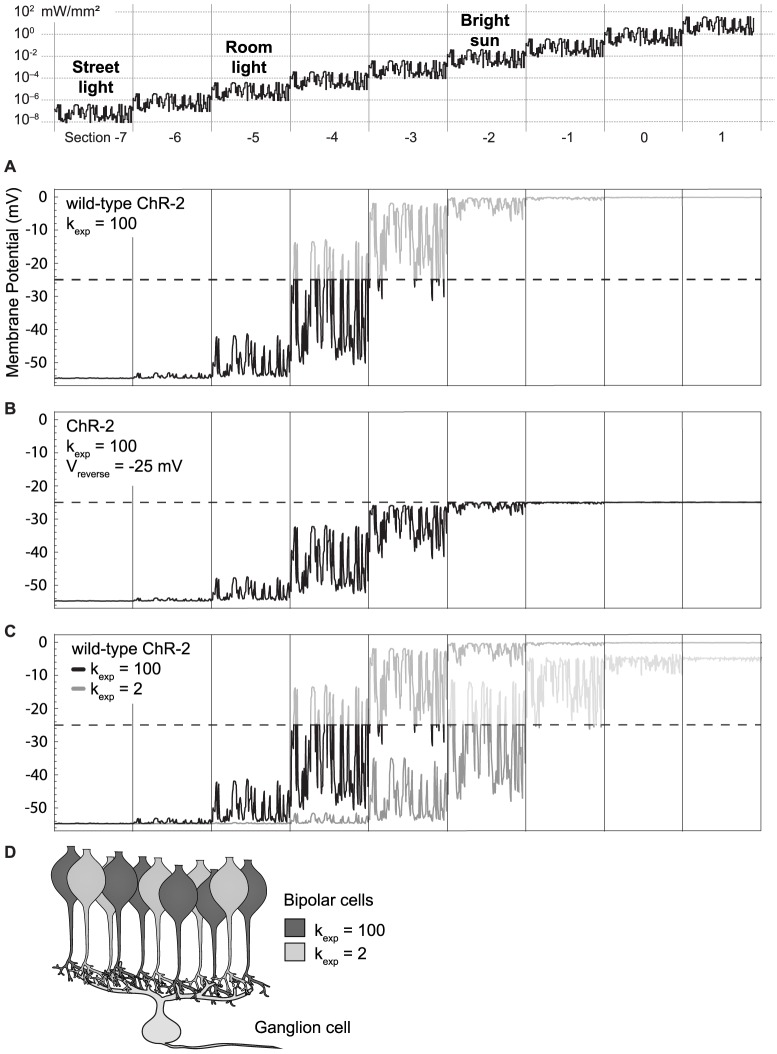
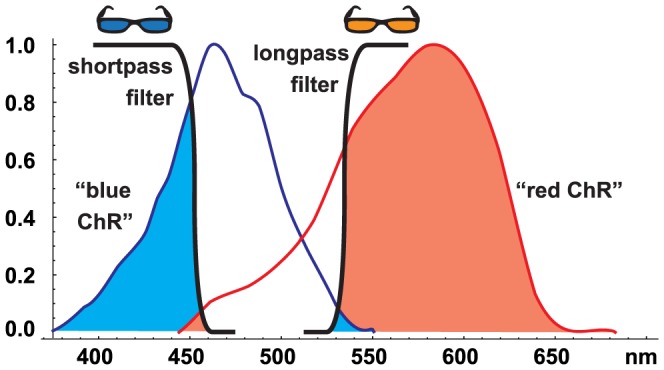
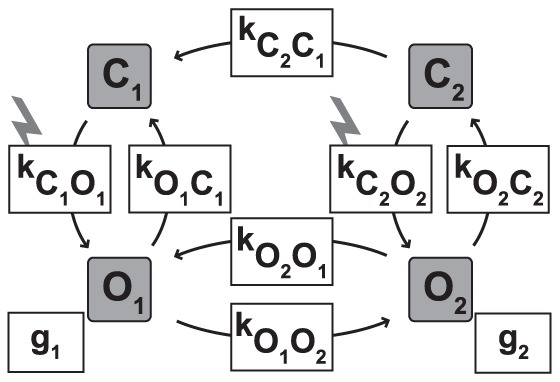
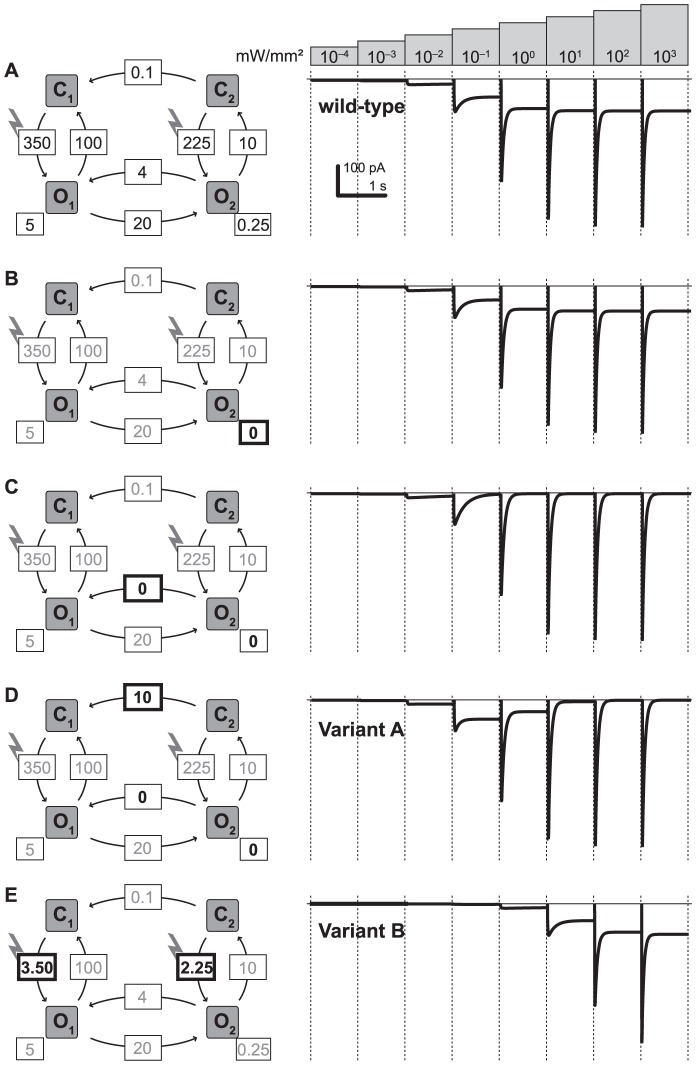
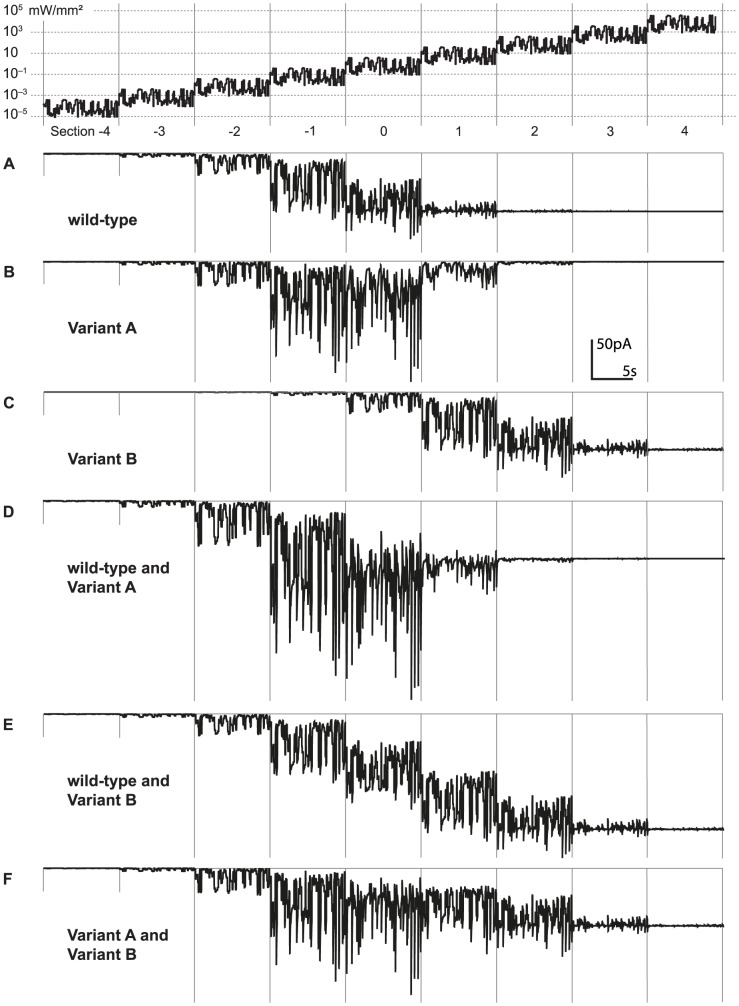
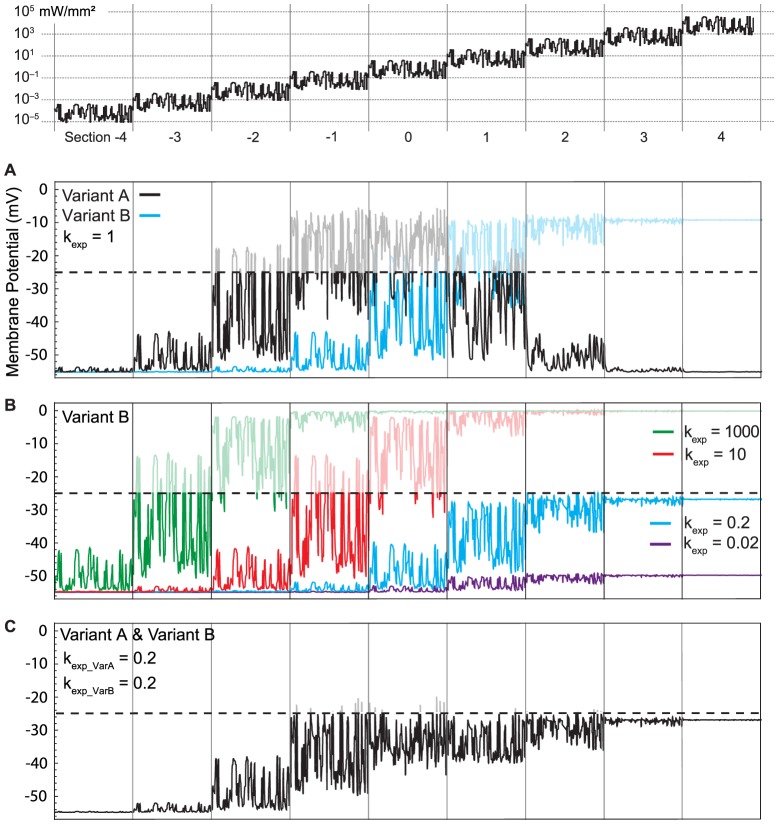
Some hereditary diseases, such as retinitis pigmentosa, lead to blindness due to the death of photoreceptors, though the rest of the visual system might be only slightly affected. Optogenetics is a promising tool for restoring vision after retinal degeneration. In optogenetics, light-sensitive ion channels ("channelrhodopsins") are expressed in neurons so that the neurons can be activated by light. Currently existing variants of channelrhodopsin--engineered for use in neurophysiological research--do not necessarily support the goal of vision restoration optimally, due to two factors: First, the nature of the light stimulus is fundamentally different in "optogenetic vision" compared to "optogenetic neuroscience". Second, the retinal target neurons have specific properties that need to be accounted for, e.g. most retinal neurons are non-spiking. In this study, by using a computational model, we investigate properties of channelrhodopsin that might improve successful vision restoration. We pay particular attention to the operational brightness range and suggest strategies that would allow optogenetic vision over a wider intensity range than currently possible, spanning the brightest 5 orders of naturally occurring luminance. We also discuss the biophysical limitations of channelrhodopsin, and of the expressing cells, that prevent further expansion of this operational range, and we suggest design strategies for optogenetic tools which might help overcoming these limitations. Furthermore, the computational model used for this study is provided as an interactive tool for the research community.
一些遗传性疾病,如视网膜色素变性,会导致光感受器死亡从而失明,尽管视觉系统的其他部分可能仅受到轻微影响。光遗传学是一种在视网膜变性后恢复视力的有前景的工具。在光遗传学中,光敏离子通道(“视紫红质通道蛋白”)在神经元中表达,这样神经元就能被光激活。目前用于神经生理学研究的视紫红质通道蛋白变体,由于两个因素,不一定能最佳地支持视力恢复的目标:第一,与“光遗传学神经科学”相比,“光遗传学视觉”中的光刺激性质有根本不同。第二,视网膜靶神经元具有需要考虑的特定特性,例如大多数视网膜神经元不产生动作电位。在本研究中,我们通过使用计算模型来研究可能改善视力恢复成功性的视紫红质通道蛋白的特性。我们特别关注操作亮度范围,并提出能使光遗传学视觉在比目前更宽的强度范围内实现的策略,该范围跨越自然发生的最亮的5个数量级的亮度。我们还讨论了视紫红质通道蛋白以及表达细胞的生物物理限制,这些限制阻碍了该操作范围的进一步扩大,并且我们提出了可能有助于克服这些限制的光遗传学工具的设计策略。此外,本研究中使用的计算模型作为一种交互式工具提供给研究群体。