Whitsett Timothy G, Mathews Ian T, Cardone Michael H, Lena Ryan J, Pierceall William E, Bittner Michael, Sima Chao, LoBello Janine, Weiss Glen J, Tran Nhan L
Translational Genomics Research Institute, 445 N. Fifth St., Suite 400, Phoenix, AZ 85004.
Mol Cancer Res. 2014 Apr;12(4):550-9. doi: 10.1158/1541-7786.MCR-13-0458. Epub 2014 Jan 27.
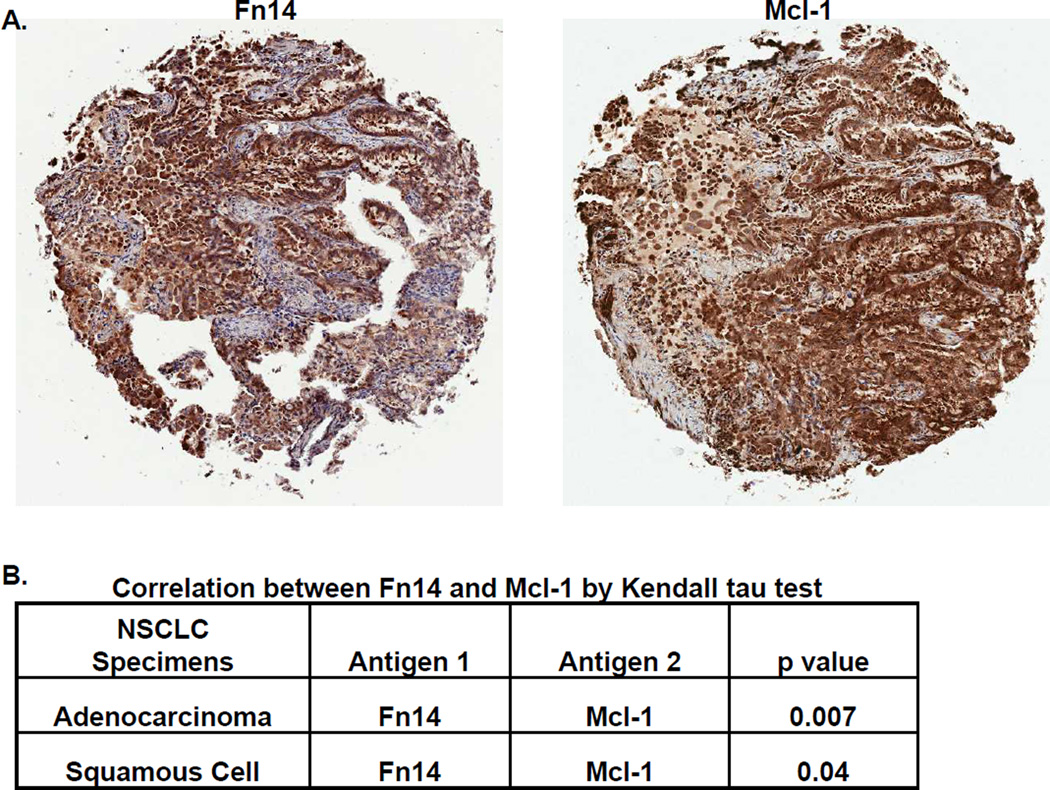
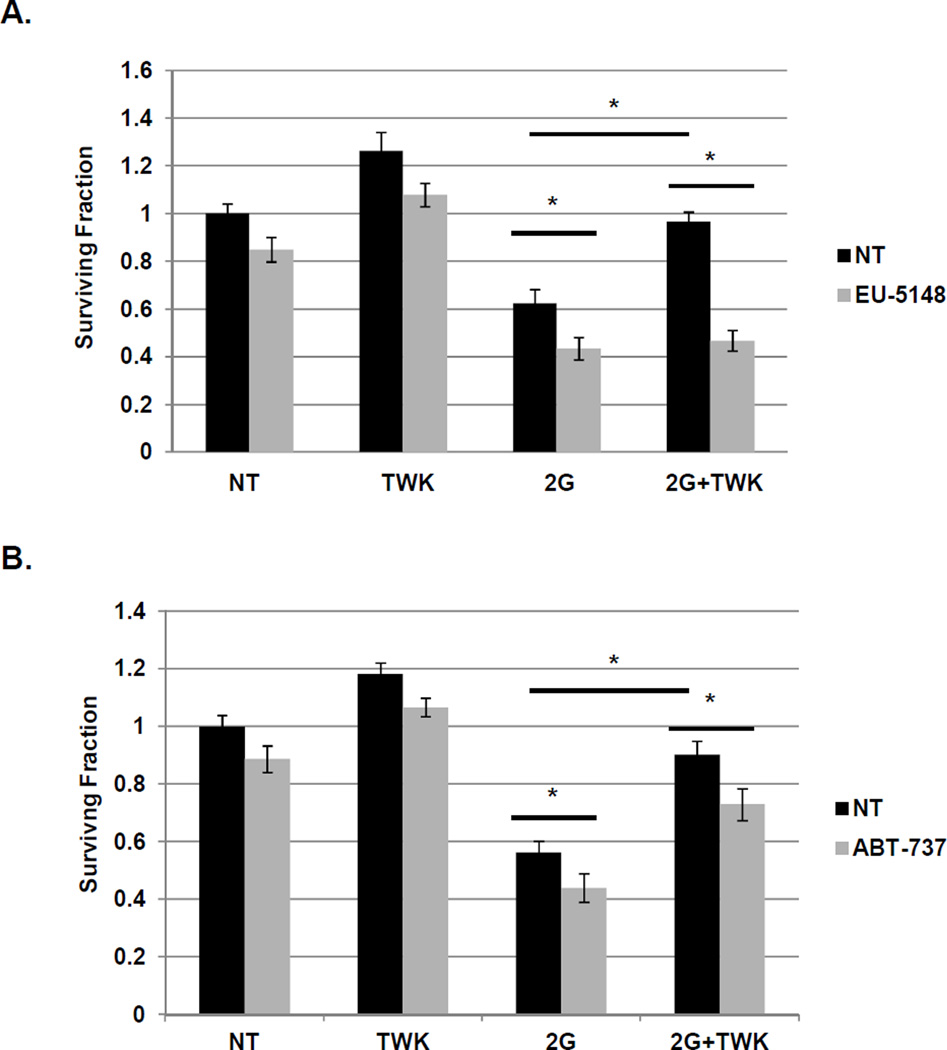
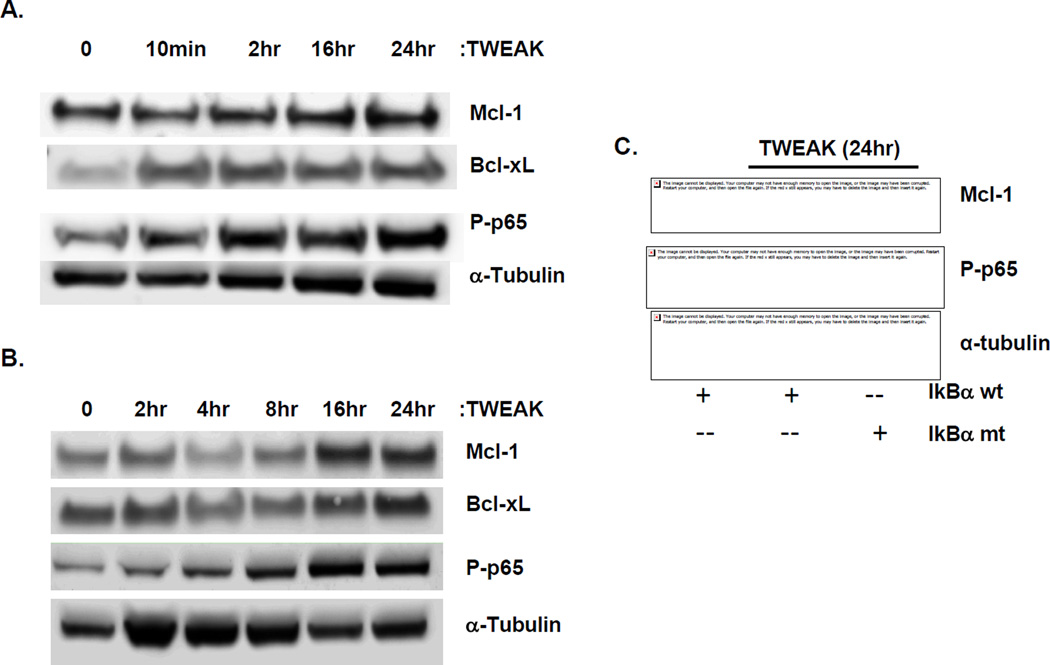
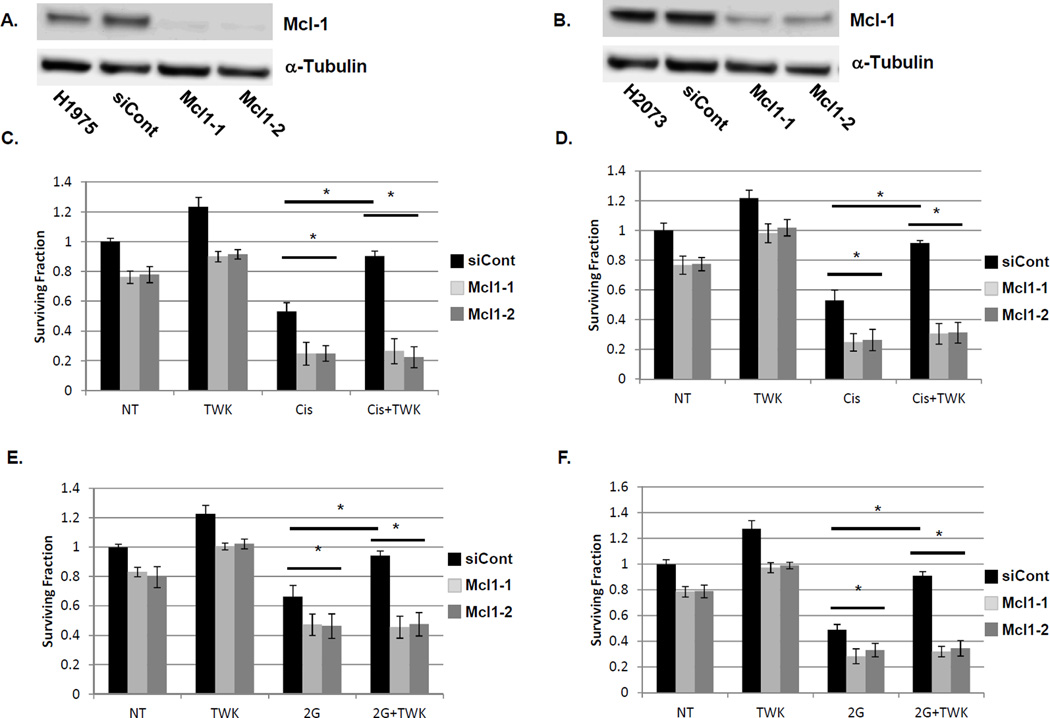
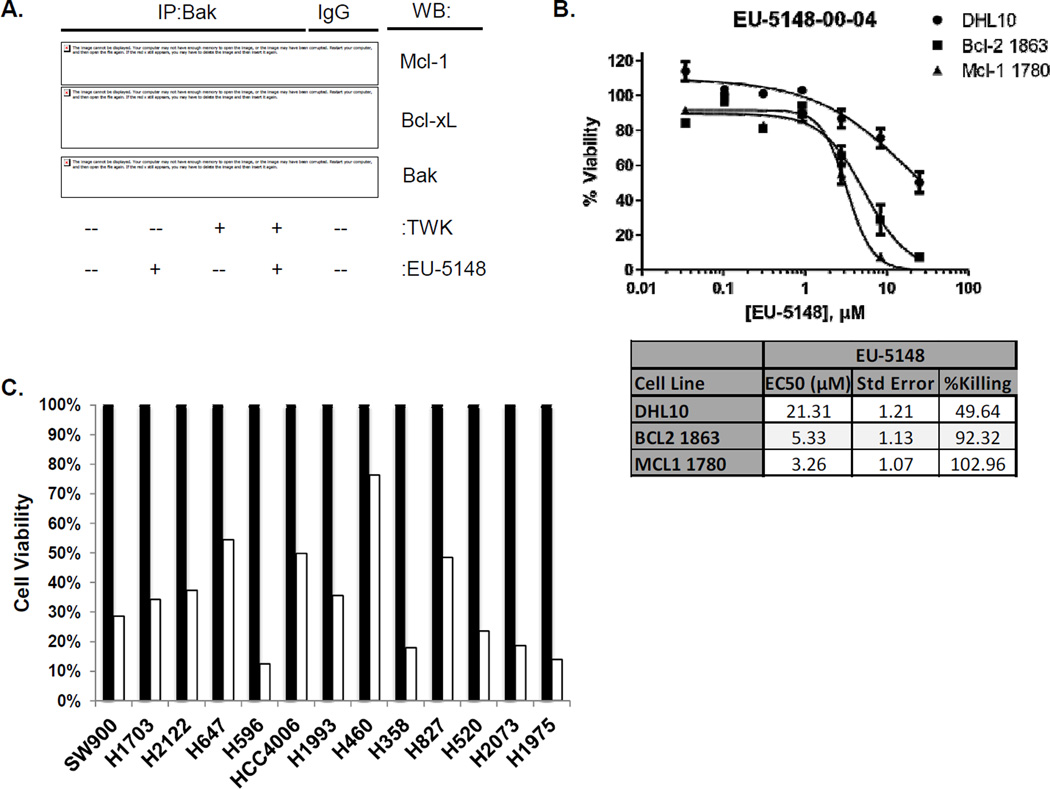
Insensitivity to standard clinical interventions, including chemotherapy, radiotherapy, and tyrosine kinase inhibitor (TKI) treatment, remains a substantial hindrance towards improving the prognosis of patients with non-small cell lung cancer (NSCLC). The molecular mechanism of therapeutic resistance remains poorly understood. The TNF-like weak inducer of apoptosis (TWEAK)-FGF-inducible 14 (TNFRSF12A/Fn14) signaling axis is known to promote cancer cell survival via NF-κB activation and the upregulation of prosurvival Bcl-2 family members. Here, a role was determined for TWEAK-Fn14 prosurvival signaling in NSCLC through the upregulation of myeloid cell leukemia sequence 1 (MCL1/Mcl-1). Mcl-1 expression significantly correlated with Fn14 expression, advanced NSCLC tumor stage, and poor patient prognosis in human primary NSCLC tumors. TWEAK stimulation of NSCLC cells induced NF-κB-dependent Mcl-1 protein expression and conferred Mcl-1-dependent chemo- and radioresistance. Depletion of Mcl-1 via siRNA or pharmacologic inhibition of Mcl-1, using EU-5148, sensitized TWEAK-treated NSCLC cells to cisplatin- or radiation-mediated inhibition of cell survival. Moreover, EU-5148 inhibited cell survival across a panel of NSCLC cell lines. In contrast, inhibition of Bcl-2/Bcl-xL function had minimal effect on suppressing TWEAK-induced cell survival. Collectively, these results position TWEAK-Fn14 signaling through Mcl-1 as a significant mechanism for NSCLC tumor cell survival and open new therapeutic avenues to abrogate the high mortality rate seen in NSCLC.
The TWEAK-Fn14 signaling axis enhances lung cancer cell survival and therapeutic resistance through Mcl-1, positioning both TWEAK-Fn14 and Mcl-1 as therapeutic opportunities in lung cancer.
对包括化疗、放疗和酪氨酸激酶抑制剂(TKI)治疗在内的标准临床干预不敏感,仍然是改善非小细胞肺癌(NSCLC)患者预后的重大障碍。治疗耐药的分子机制仍知之甚少。已知肿瘤坏死因子样凋亡弱诱导剂(TWEAK)-成纤维细胞生长因子诱导14(TNFRSF12A/Fn14)信号轴通过激活核因子κB(NF-κB)和上调促生存Bcl-2家族成员来促进癌细胞存活。在此,通过上调髓系细胞白血病序列1(MCL1/Mcl-1)确定了TWEAK-Fn14促生存信号在NSCLC中的作用。在人类原发性NSCLC肿瘤中,Mcl-1表达与Fn14表达、晚期NSCLC肿瘤分期及患者预后不良显著相关。TWEAK刺激NSCLC细胞可诱导NF-κB依赖性Mcl-1蛋白表达,并赋予细胞Mcl-1依赖性的化疗和放疗抗性。使用小干扰RNA(siRNA)耗尽Mcl-1或用EU-5148对Mcl-1进行药理学抑制,可使经TWEAK处理的NSCLC细胞对顺铂或辐射介导的细胞存活抑制敏感。此外,EU-5148可抑制一组NSCLC细胞系的细胞存活。相反,抑制Bcl-2/Bcl-xL功能对抑制TWEAK诱导的细胞存活作用甚微。总体而言,这些结果表明通过Mcl-1的TWEAK-Fn14信号是NSCLC肿瘤细胞存活的重要机制,并为消除NSCLC中所见的高死亡率开辟了新的治疗途径。
TWEAK-Fn14信号轴通过Mcl-1增强肺癌细胞存活和治疗抗性,将TWEAK-Fn14和Mcl-1均定位为肺癌的治疗靶点。