Tabarroki Ali, Tiu Ramon V
Department of Translational Hematology and Oncology Research, Taussig Cancer Institute, Cleveland Clinic , Cleveland OH, USA.
Department of Translational Hematology and Oncology Research, Taussig Cancer Institute, Cleveland Clinic , Cleveland OH, USA ; Department of Hematologic Oncology and Blood Disorders, Taussig Cancer Institute, Cleveland Clinic , Cleveland OH, USA.
Transl Med UniSa. 2014 Feb 4;8:53-64. eCollection 2014 Jan.
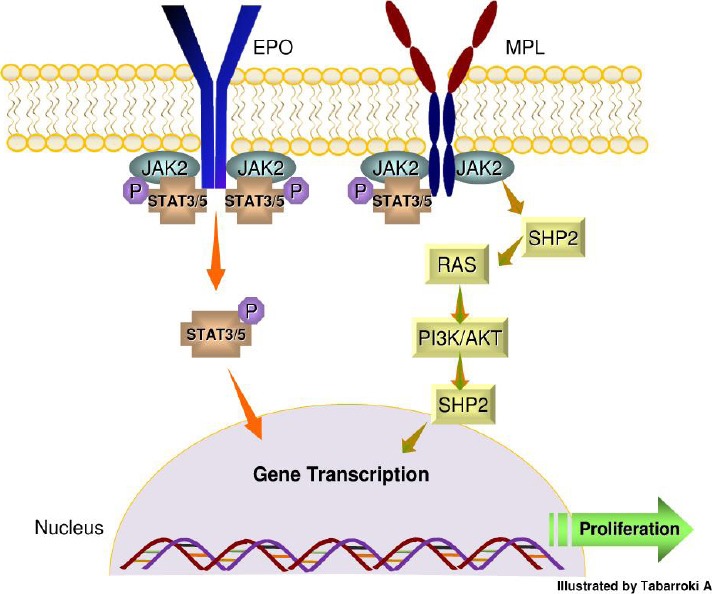
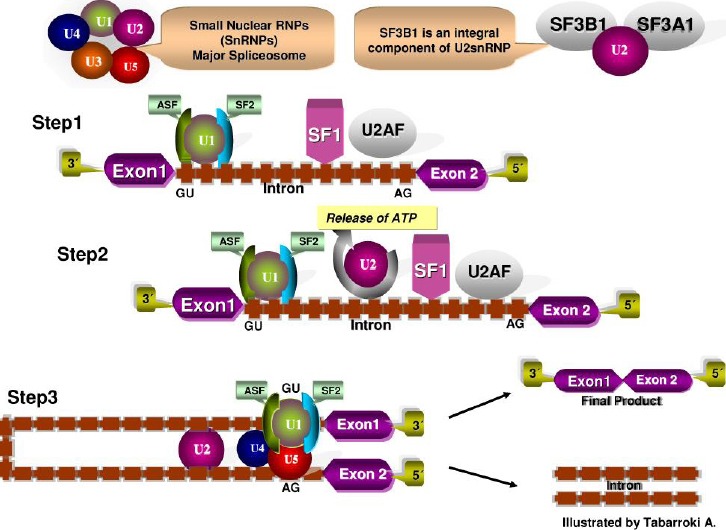
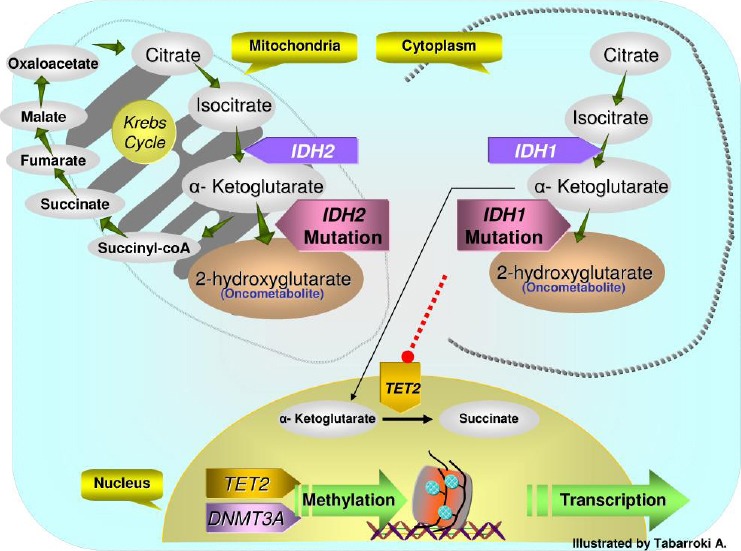
In 2005, the discovery of Janus kinase 2 (JAK2) V617F mutation in approximately half of patients with myelofibrosis (MF) marked an important milestone in our understanding of the pathophysiology of MF. This has broadened our understanding of the disease pathogenesis and became the foundation for the development and subsequent clinical use of JAK inhibitors for MF. However, it is clear that other pathogenetic modifiers contribute to the disease diversity and phenotypic variability of MF. Novel genome scanning technologies were useful in the identification of recurrent molecular mutations in other genes including MPL, TET2, IDH1/2, DNMT3A, SH3B2 (LNK) and CBL in MF pointing out that other pathways might be important in addition to the JAK/STAT pathway. The biologic role and clinical implications of these molecular mutations in MF is currently under investigation. The main challenge is to understand the mechanisms whereby molecular mutations whether alone or in combination with other genetic and non-genetic events contribute to the pathogenesis of MF and eventually can explain the phenotypic variability among the MF patients. In the present review we will provide an overview of the molecular pathogenesis of MF describing past and recent discoveries in molecular markers and their possible relevance in disease phenotype.
2005年,在大约一半的骨髓纤维化(MF)患者中发现Janus激酶2(JAK2)V617F突变,这标志着我们对MF病理生理学理解的一个重要里程碑。这拓宽了我们对该疾病发病机制的认识,并成为JAK抑制剂用于MF研发及后续临床应用的基础。然而,很明显其他致病修饰因子也导致了MF的疾病多样性和表型变异性。新型基因组扫描技术有助于识别MF中其他基因(包括MPL、TET2、IDH1/2、DNMT3A、SH3B2(LNK)和CBL)中的复发性分子突变,这表明除了JAK/STAT途径外,其他途径可能也很重要。目前正在研究这些分子突变在MF中的生物学作用和临床意义。主要挑战在于理解分子突变单独或与其他遗传和非遗传事件共同作用导致MF发病机制并最终解释MF患者表型变异性的机制。在本综述中,我们将概述MF的分子发病机制,描述分子标志物的过去和近期发现及其与疾病表型的可能相关性。