Lui Siew Kwaon, Ng Yee Sien, Nalanga Annie Jane, Tan Yeow Leng, Bok Chek Wai
Department of Rehabilitation Medicine, Singapore General Hospital, 20 College Road, Academia Level 4, Singapore 169856.
Department of Rehabilitation Medicine, Singapore General Hospital, 20 College Road, Academia Level 4, Singapore 169856 ; Duke-National University of Singapore (NUS) Graduate Medical School, 8 College Road, Singapore 169857.
Rehabil Res Pract. 2014;2014:950183. doi: 10.1155/2014/950183. Epub 2014 May 21.
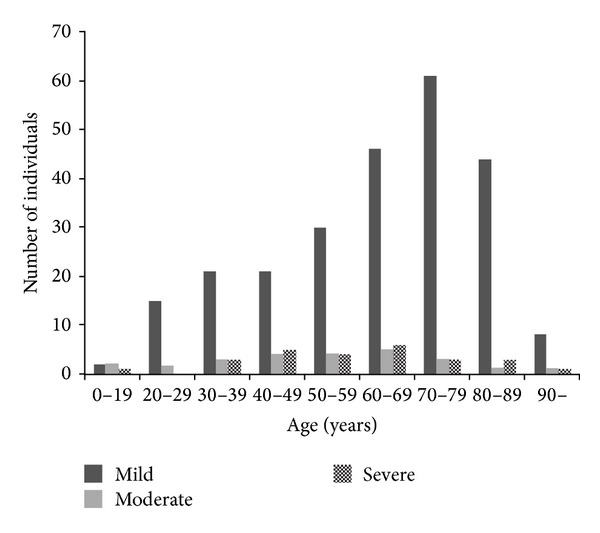
Objective. Document acute neurosurgical and rehabilitation parameters of patients of all traumatic brain injury (TBI) severities and determine whether early screening along with very early integrated TBI rehabilitation changes functional outcomes. Methods. Prospective study involving all patients with TBI admitted to a neurosurgical department of a tertiary hospital. They were assessed within 72 hours of admission by the rehabilitation team and received twice weekly rehabilitation reviews. Patients with further rehabilitation needs were then transferred to the attached acute inpatient TBI rehabilitation unit (TREATS) and their functional outcomes were compared against a historical group of patients. Demographic variables, acute neurosurgical characteristics, medical complications, and rehabilitation outcomes were recorded. Results. There were 298 patients screened with an average age of 61.8 ± 19.1 years. The most common etiology was falls (77.5%). Most patients were discharged home directly (67.4%) and 22.8% of patients were in TREATS. The TREATS group functionally improved (P < 0.001). Regression analysis showed by the intervention of TREATS, that there was a statistically significant FIM functional gain of 18.445 points (95% CI -30.388 to -0.6502, P = 0.03). Conclusion. Our study demonstrated important epidemiological data on an unselected cohort of patients with TBI in Singapore and functional improvement in patients who further received inpatient rehabilitation.
目的。记录所有严重程度的创伤性脑损伤(TBI)患者的急性神经外科和康复参数,并确定早期筛查以及极早期综合TBI康复是否会改变功能结局。方法。对一家三级医院神经外科收治的所有TBI患者进行前瞻性研究。康复团队在患者入院72小时内对其进行评估,并每周进行两次康复评估。有进一步康复需求的患者随后被转至附属的急性住院TBI康复单元(TREATS),并将其功能结局与一组历史患者进行比较。记录人口统计学变量、急性神经外科特征、医疗并发症和康复结局。结果。共筛查了298例患者,平均年龄为61.8±19.1岁。最常见的病因是跌倒(77.5%)。大多数患者直接出院回家(67.4%),22.8%的患者在TREATS接受治疗。TREATS组功能有所改善(P < 0.001)。回归分析显示,通过TREATS的干预,FIM功能有统计学意义的增加,增加了18.445分(95%CI -30.388至-0.6502,P = 0.03)。结论。我们的研究展示了新加坡未选择的TBI患者队列的重要流行病学数据,以及进一步接受住院康复治疗的患者的功能改善情况。