Couch Yvonne, Davis Andrew E, Sá-Pereira Inês, Campbell Sandra J, Anthony Daniel C
Department of Pharmacology, University of Oxford, Mansfield Road, Oxford, OX1 3QT, UK.
J Neuroinflammation. 2014 Oct 17;11:178. doi: 10.1186/s12974-014-0178-3.
Systemic inflammation has been shown to significantly worsen the outcome of neurological disease. However, after acute injuries to the brain both pre- and post-conditioning with bacterial endotoxin has been shown to reduce leukocyte recruitment to the CNS. Here, we sought to determine whether viral pre-challenge would have an effect on the outcome of acute CNS inflammation that was distinct from endotoxin.
Animals received a single intracranial microinjection of IL-1β in the presence or absence of a viral pre-challenge 24 hours prior to surgery. Liver and brain tissue were analysed for chemokine expression by qRT-PCR and leukocyte and monocyte infiltration 12 hours, 3 days and 7 days after the IL-1β injection.
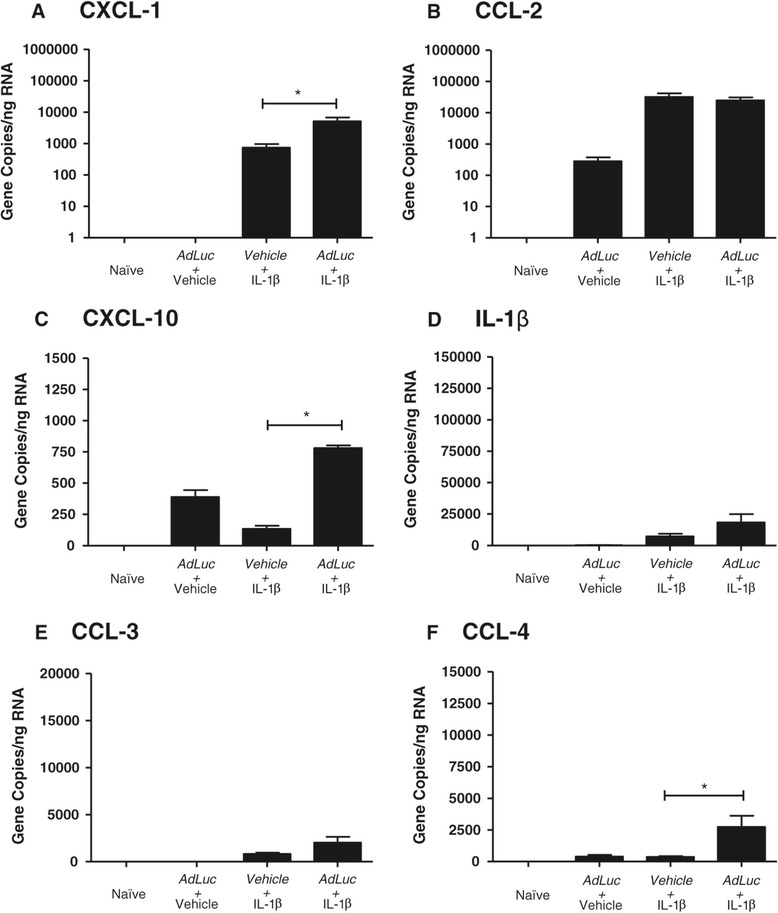
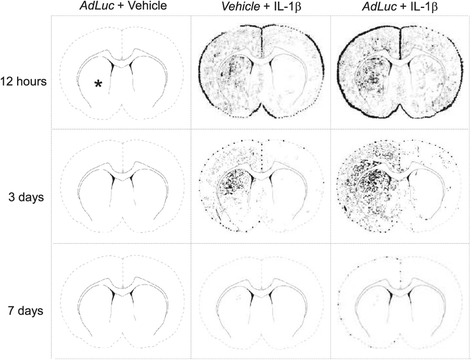
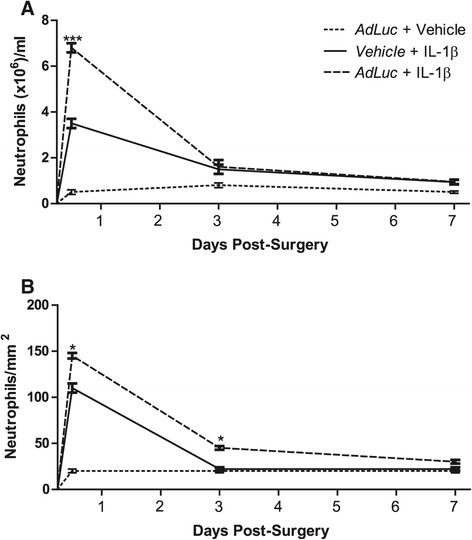
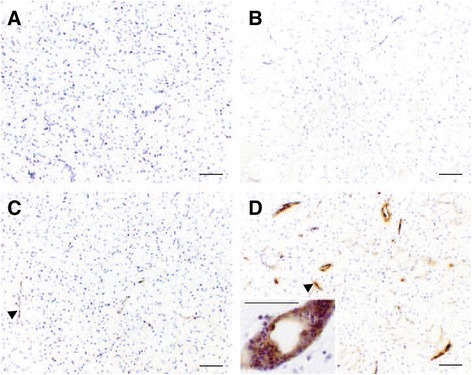
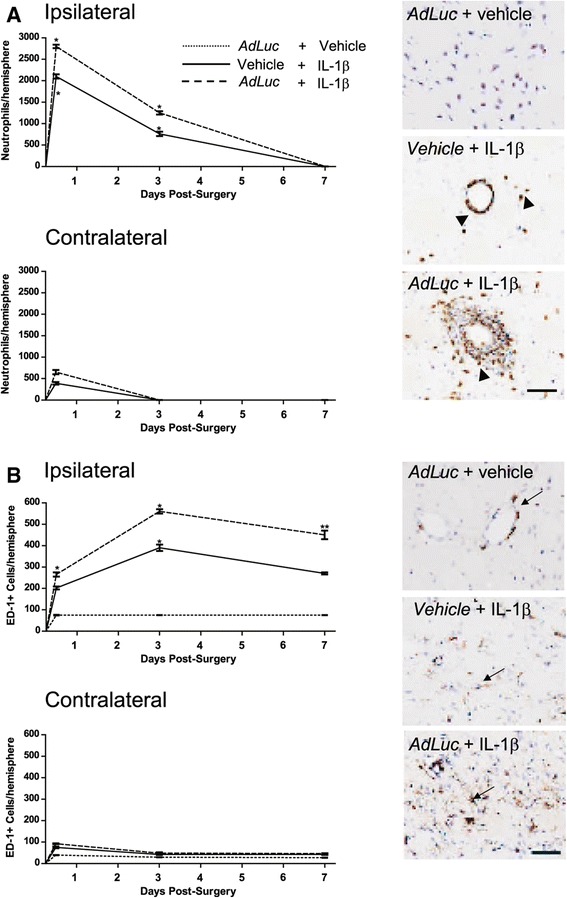
Here, a single injection of adenovirus prior to IL-1β injection resulted in adhesion molecule expression, chemokine expression and the recruitment of neutrophils to the injured CNS in significantly higher numbers than in IL-1β injected animals. The distribution and persistence of leukocytes within the CNS was also greater after pre-challenge, with neutrophils being found in both the ipsilateral and contralateral hemispheres. Thus, despite the absence of virus within the CNS, the presence of virus within the periphery was sufficient to exacerbate CNS disease.
These data suggest that the effect of a peripheral inflammatory challenge on the outcome of CNS injury or disease is not generic and will be highly dependent on the nature of the pathogen.
全身炎症已被证明会显著恶化神经疾病的预后。然而,在脑急性损伤后,细菌内毒素预处理和后处理均已显示可减少白细胞向中枢神经系统的募集。在此,我们试图确定病毒预激发是否会对急性中枢神经系统炎症的预后产生不同于内毒素的影响。
动物在手术前24小时接受颅内单次微量注射白细胞介素-1β,注射时存在或不存在病毒预激发。在白细胞介素-1β注射后12小时、3天和7天,通过qRT-PCR分析肝脏和脑组织中的趋化因子表达以及白细胞和单核细胞浸润情况。
在此,在白细胞介素-1β注射前单次注射腺病毒导致黏附分子表达、趋化因子表达以及嗜中性粒细胞向受损中枢神经系统的募集数量显著高于注射白细胞介素-1β的动物。预激发后中枢神经系统内白细胞的分布和持续时间也更大,在同侧和对侧半球均发现了嗜中性粒细胞。因此,尽管中枢神经系统内不存在病毒,但外周存在病毒足以加重中枢神经系统疾病。
这些数据表明,外周炎症激发对中枢神经系统损伤或疾病预后的影响并非普遍存在,且高度依赖于病原体的性质。