Yu Vionnie W C, Saez Borja, Cook Colleen, Lotinun Sutada, Pardo-Saganta Ana, Wang Ying-Hua, Lymperi Stefania, Ferraro Francesca, Raaijmakers Marc H G P, Wu Joy Y, Zhou Lan, Rajagopal Jayaraj, Kronenberg Henry M, Baron Roland, Scadden David T
Center for Regenerative Medicine, Massachusetts General Hospital, Boston, MA 02215 Harvard Stem Cell Institute, Cambridge, MA 02215 Department of Stem Cell and Regenerative Biology, Harvard University, Cambridge, MA 02215.
Department of Oral Medicine, Infection and Immunity, Harvard School of Dental Medicine, Boston, MA 02215 Department of Physiology and STAR on Craniofacial and Skeletal Disorders, Chulalongkorn University, Bangkok 10330, Thailand.
J Exp Med. 2015 May 4;212(5):759-74. doi: 10.1084/jem.20141843. Epub 2015 Apr 27.
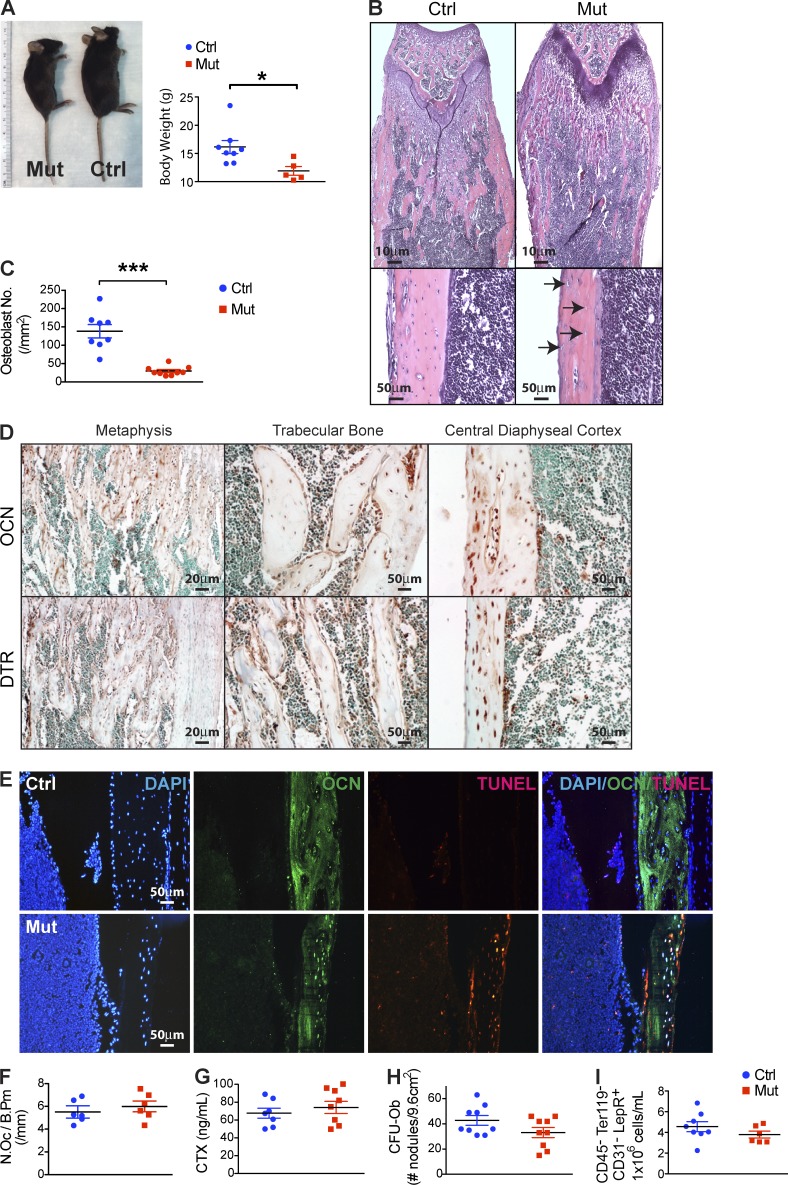
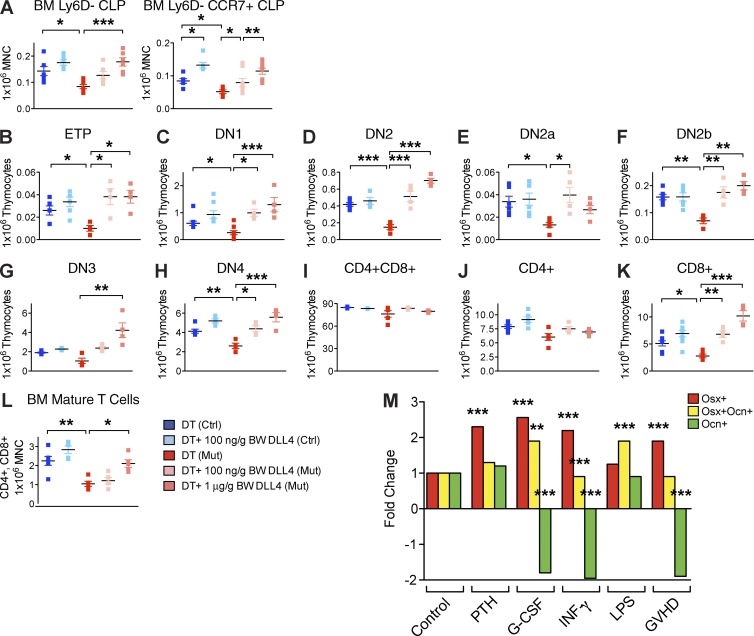
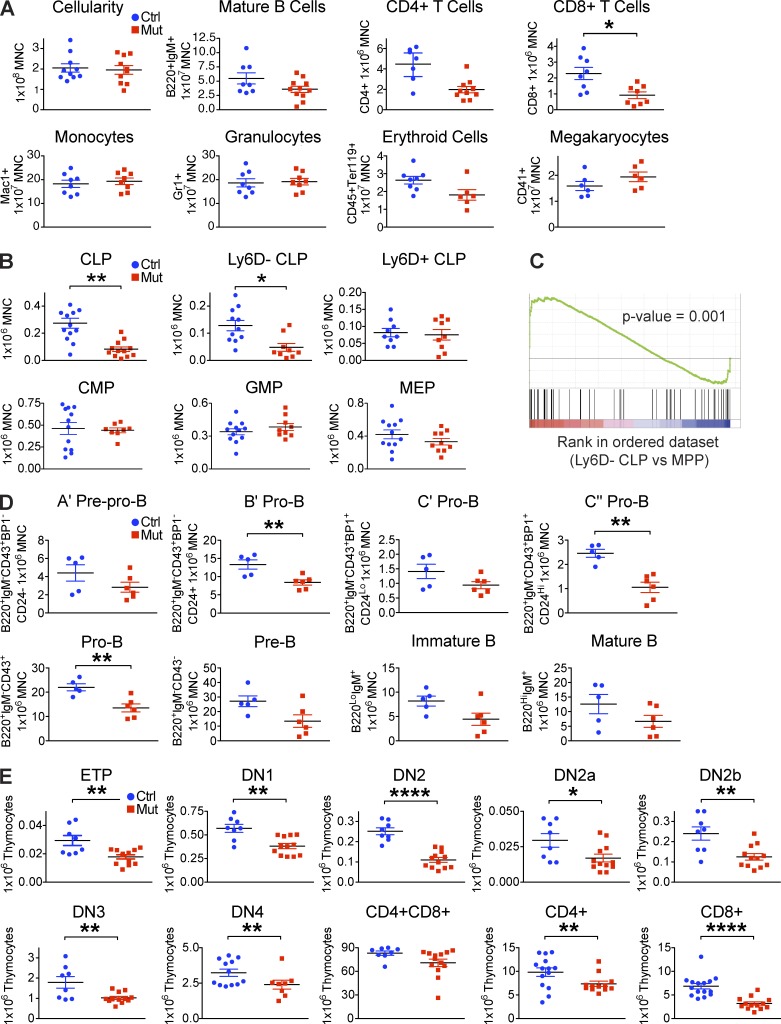
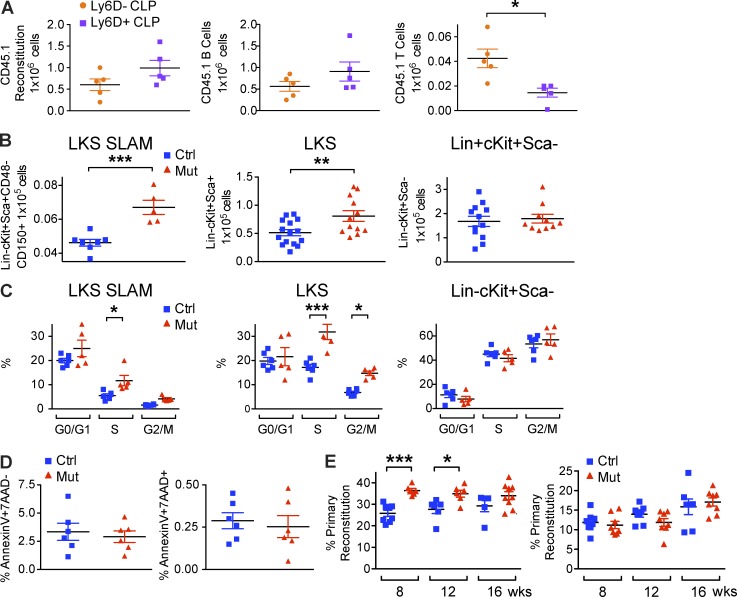
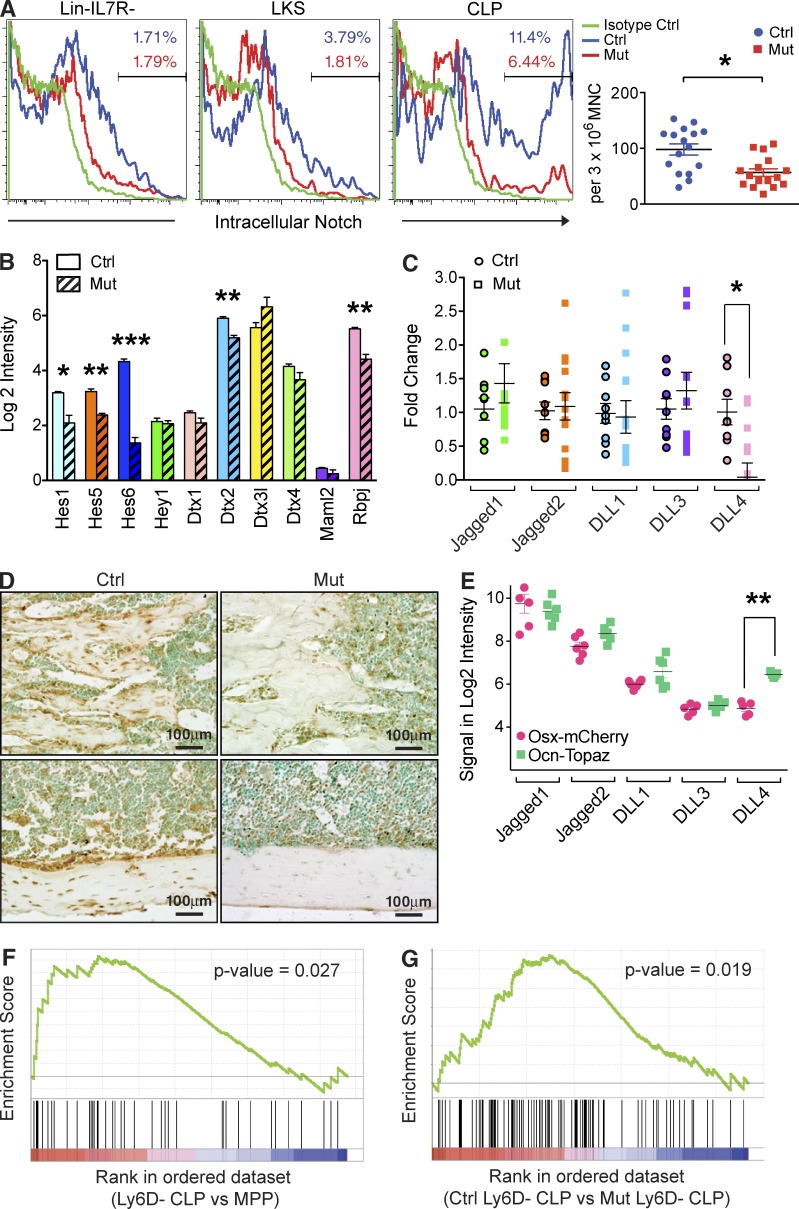
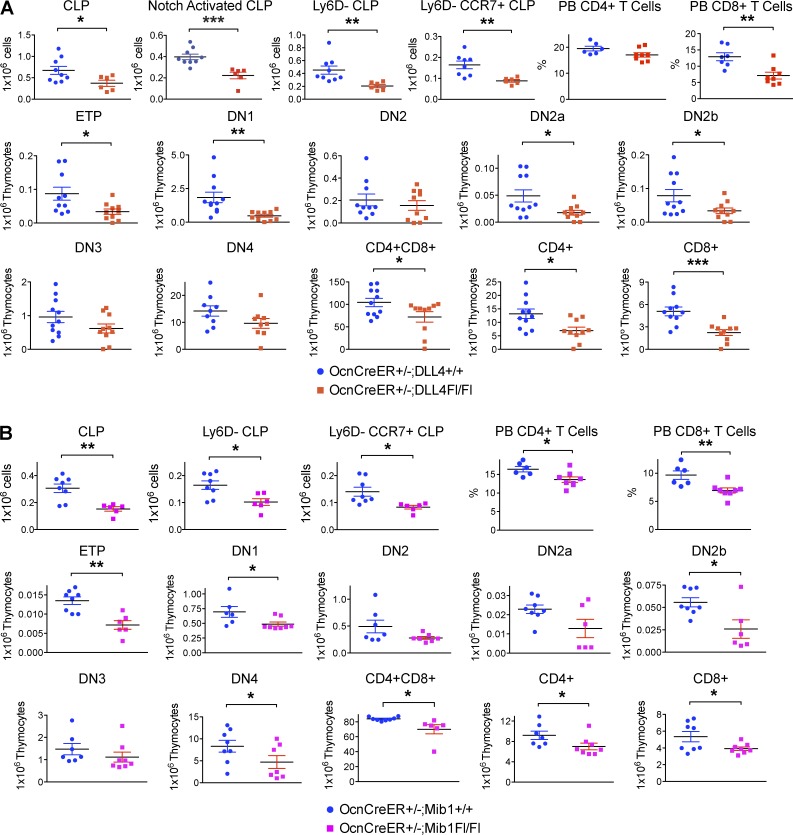
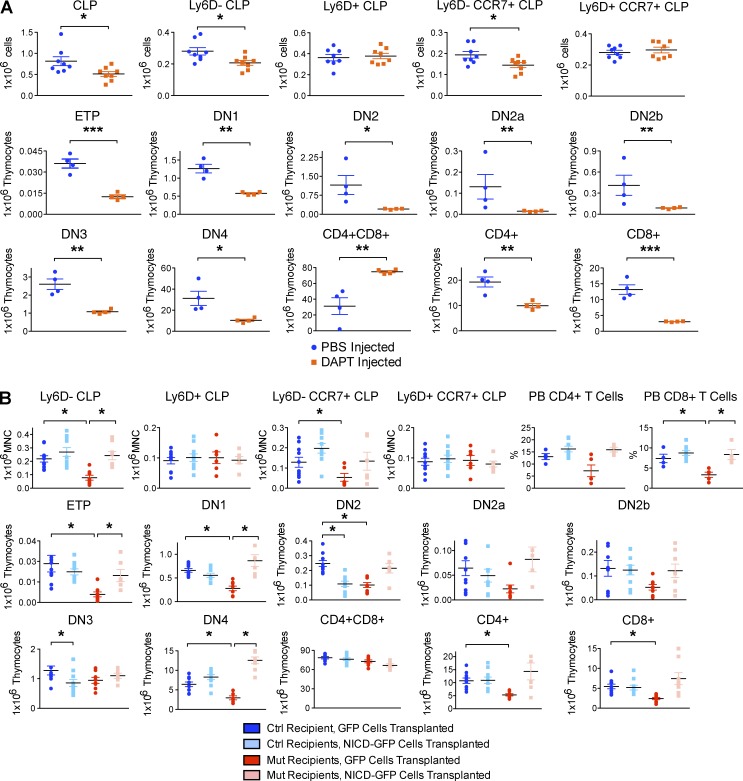
Production of the cells that ultimately populate the thymus to generate α/β T cells has been controversial, and their molecular drivers remain undefined. Here, we report that specific deletion of bone-producing osteocalcin (Ocn)-expressing cells in vivo markedly reduces T-competent progenitors and thymus-homing receptor expression among bone marrow hematopoietic cells. Decreased intrathymic T cell precursors and decreased generation of mature T cells occurred despite normal thymic function. The Notch ligand DLL4 is abundantly expressed on bone marrow Ocn(+) cells, and selective depletion of DLL4 from these cells recapitulated the thymopoietic abnormality. These data indicate that specific mesenchymal cells in bone marrow provide key molecular drivers enforcing thymus-seeding progenitor generation and thereby directly link skeletal biology to the production of T cell-based adaptive immunity.
最终在胸腺中定植以产生α/β T细胞的细胞的产生一直存在争议,其分子驱动因素仍不明确。在这里,我们报告在体内特异性缺失表达产骨骨钙素(Ocn)的细胞会显著减少骨髓造血细胞中具有T细胞能力的祖细胞和胸腺归巢受体的表达。尽管胸腺功能正常,但胸腺内T细胞前体减少,成熟T细胞的生成也减少。Notch配体DLL4在骨髓Ocn(+)细胞上大量表达,从这些细胞中选择性去除DLL4可重现胸腺生成异常。这些数据表明,骨髓中的特定间充质细胞提供了关键的分子驱动因素,促进胸腺播种祖细胞的产生,从而直接将骨骼生物学与基于T细胞的适应性免疫的产生联系起来。