Lavonas Eric J, Gerardo Charles J
Rocky Mountain Poison and Drug Center, Denver Health and Hospital Authority, 777 Bannock Street, MC 0180, Denver, CO, 80204, USA.
Department of Emergency Medicine, University of Colorado School of Medicine, Aurora, CO, USA.
BMC Emerg Med. 2015 May 15;15:9. doi: 10.1186/s12873-015-0033-6.
Although much is known about signs, symptoms, and management in the acute phase of crotaline snake envenomation, little is known about signs, symptoms, function, and quality of life during the recovery phase. The purpose of this observational pilot investigation is to evaluate the utility of several clinical outcome instruments in the setting of copperhead snakebite, and to characterize the clinical course of recovery.
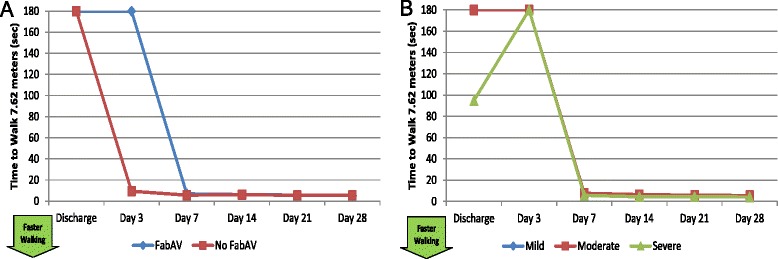
This is a multi-center prospective, open-label, observational study of patients envenomated by copperhead snakes. We administered the Disabilities of the Arm, Shoulder, and Hand (DASH), Lower Extremity Functional Scale (LEFS), Patient-Specific Functional Scale (PSFS), Work Productivity and Ability Impairment: Special Health Problem (WPAI: SHP), Patients' Global Impression of Change (PGIC), Patient's Global Assessment of Recovery (PGAR), and SF-36 instruments, obtained numeric pain rating scales, and measured grip strength, walking speed, and swelling prior to hospital discharge and 3, 7, 14, 21, and 28 days after envenomation.
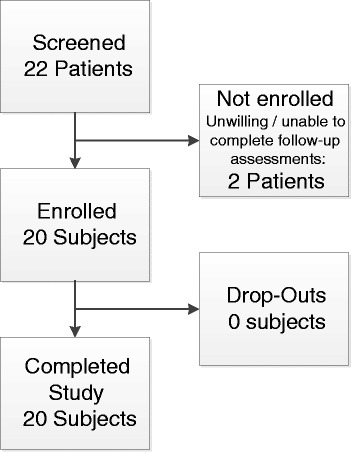
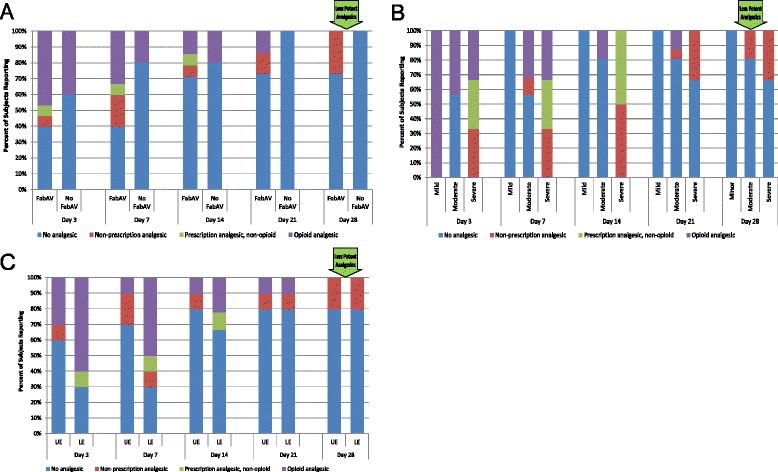
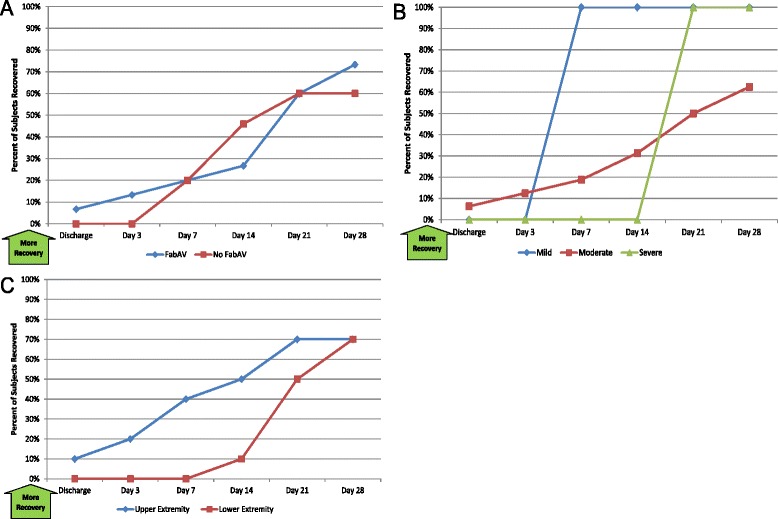
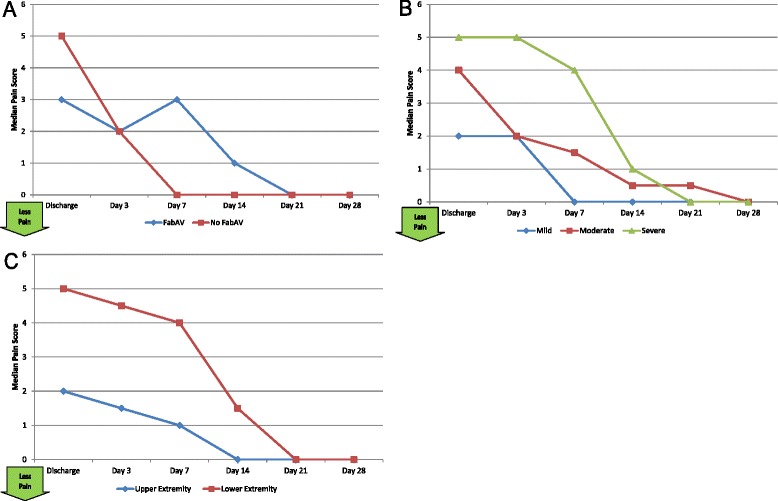
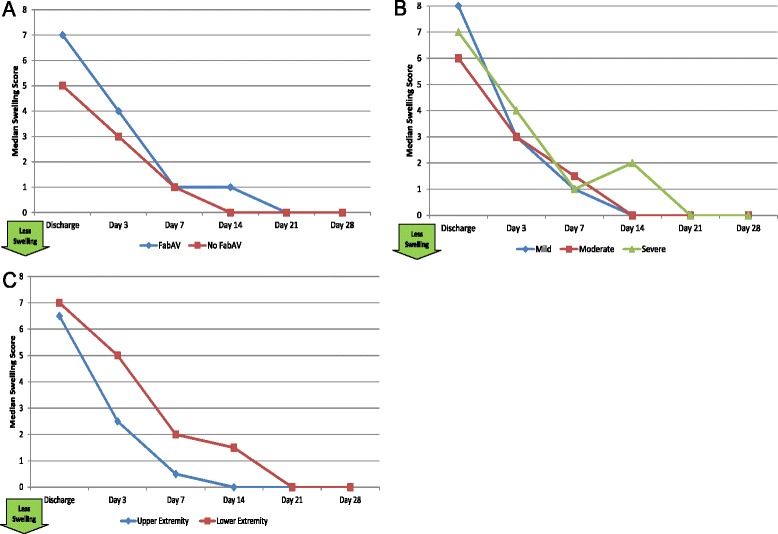
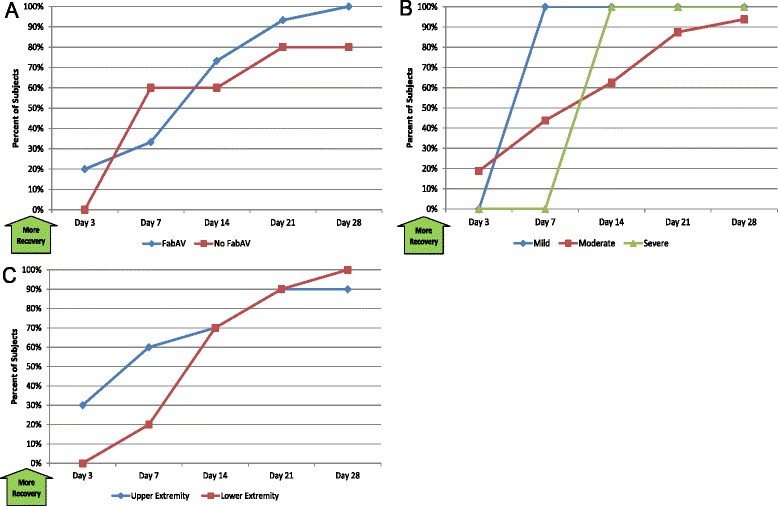
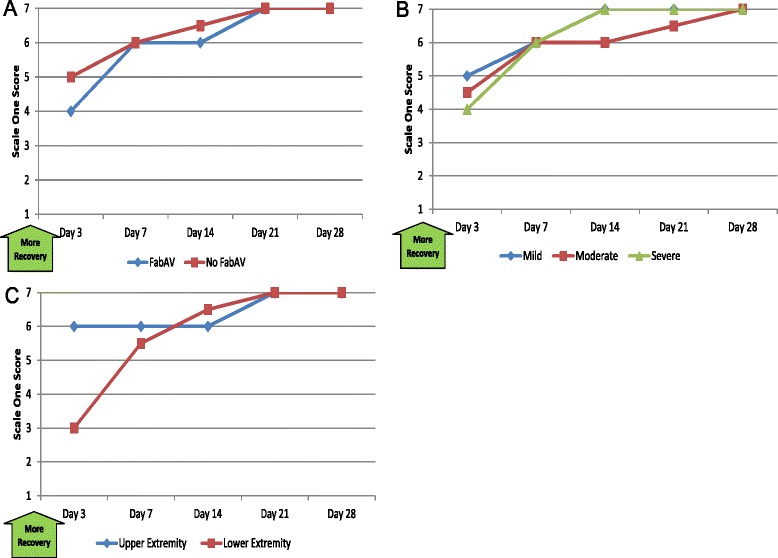
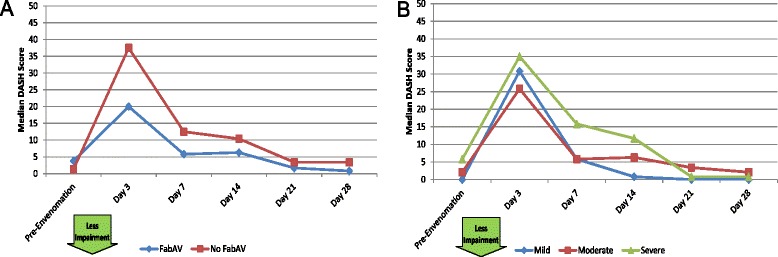
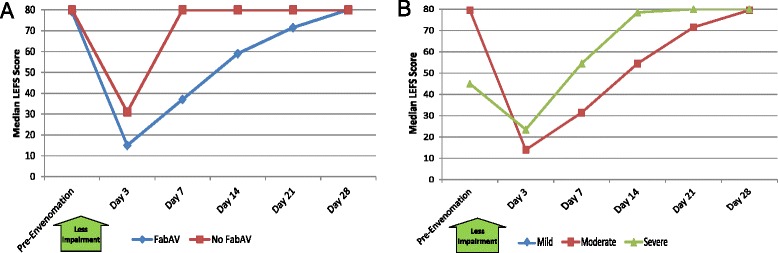
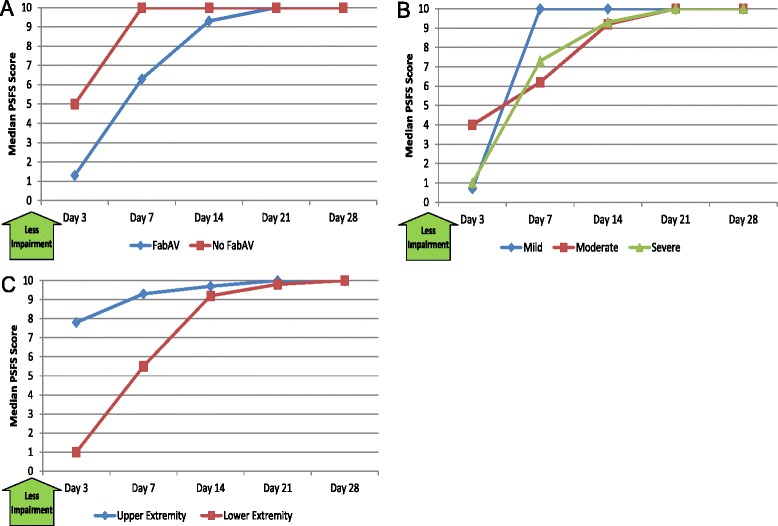
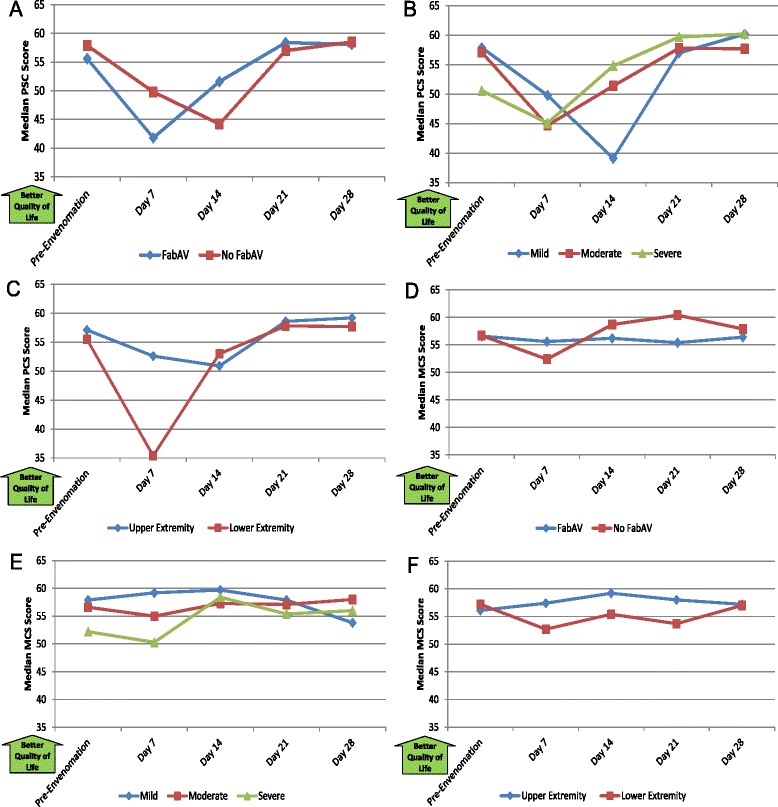
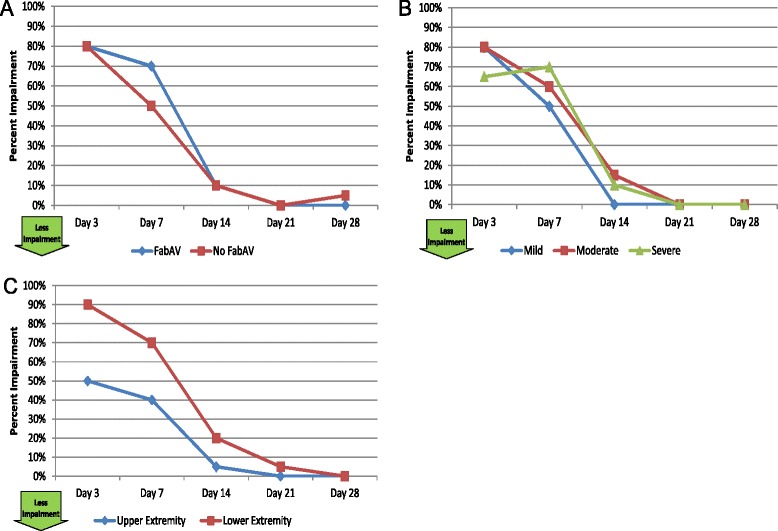
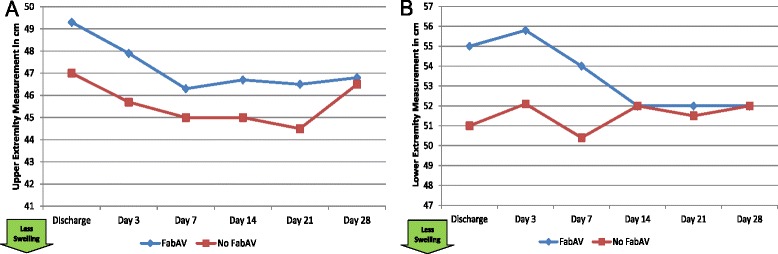
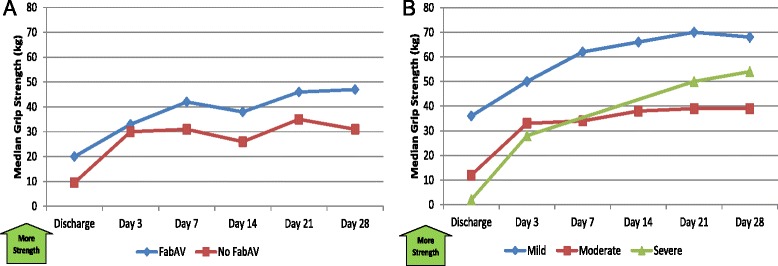
20 subjects were enrolled; none were lost to follow-up. Most (80%) had moderate severity swelling, and most (75%) received antivenom. Across the broad range of measures, abnormalities of pain, swelling, impairments of physical and role function, and quality of life persisted for 7-14 days in most subjects. Validated self-reported outcome measures, such as the DASH, LEFS, PSFS, PGIC, SF-36, and the daily activities impairment portion of the WPAI: SHP were more responsive than measurements of swelling or walking speed. Data quality issues limited the utility of the work impairment portion of the WPAI: SHP. Residual signs, symptoms, and impairment in some subjects lasted through the 28-day study period. The study design precluded any assessment of the effectiveness of antivenom.
Signs, symptoms, impaired function, and decreased quality of life typically last 7 - 14 days after copperhead envenomation. Several tools appear responsive and useful in studying recovery from pit viper envenomation.
ClinicalTrials.gov NCT01651299.
虽然我们对响尾蛇咬伤急性期的体征、症状及治疗方法了解甚多,但对恢复期的体征、症状、功能及生活质量却知之甚少。本观察性初步研究的目的是评估几种临床结局指标在铜头蝮蛇咬伤情况下的效用,并描述恢复的临床过程。
这是一项针对被铜头蝮蛇咬伤患者的多中心前瞻性、开放标签观察性研究。我们对患者进行了上肢、肩部和手部功能障碍量表(DASH)、下肢功能量表(LEFS)、患者特定功能量表(PSFS)、工作效率和能力损害:特殊健康问题量表(WPAI:SHP)、患者总体变化印象量表(PGIC)、患者总体恢复评估量表(PGAR)以及SF-36量表的评估,获取了数字疼痛评分量表,并在出院前以及咬伤后3天、7天、14天、21天和28天测量了握力、步行速度和肿胀情况。
共纳入20名受试者,无一失访。大多数(80%)有中度肿胀,大多数(75%)接受了抗蛇毒血清治疗。在广泛的测量指标中,大多数受试者的疼痛、肿胀、身体和角色功能障碍以及生活质量异常持续了7至14天。经过验证的自我报告结局指标,如DASH、LEFS、PSFS、PGIC、SF-36以及WPAI:SHP中日常活动损害部分,比肿胀或步行速度测量更具反应性。数据质量问题限制了WPAI:SHP中工作损害部分的效用。一些受试者的残留体征、症状和功能障碍持续到了为期28天的研究期结束。该研究设计排除了对抗蛇毒血清有效性的任何评估。
铜头蝮蛇咬伤后,体征、症状、功能受损和生活质量下降通常持续7至14天。几种工具在研究蝰蛇咬伤后的恢复情况时似乎具有反应性且有用。
ClinicalTrials.gov NCT01651299