• 文献检索
  • 文档翻译
  • 深度研究
  • 学术资讯
  • Suppr Zotero 插件Zotero 插件
  • 邀请有礼
  • 套餐&价格
  • 历史记录
应用&插件
Suppr Zotero 插件Zotero 插件浏览器插件Mac 客户端Windows 客户端微信小程序
定价
高级版会员购买积分包购买API积分包
服务
文献检索文档翻译深度研究API 文档MCP 服务
关于我们
关于 Suppr公司介绍联系我们用户协议隐私条款
关注我们

Suppr 超能文献

核心技术专利:CN118964589B侵权必究
粤ICP备2023148730 号-1Suppr @ 2026

文献检索

告别复杂PubMed语法,用中文像聊天一样搜索,搜遍4000万医学文献。AI智能推荐,让科研检索更轻松。

立即免费搜索

文件翻译

保留排版,准确专业,支持PDF/Word/PPT等文件格式,支持 12+语言互译。

免费翻译文档

深度研究

AI帮你快速写综述,25分钟生成高质量综述,智能提取关键信息,辅助科研写作。

立即免费体验

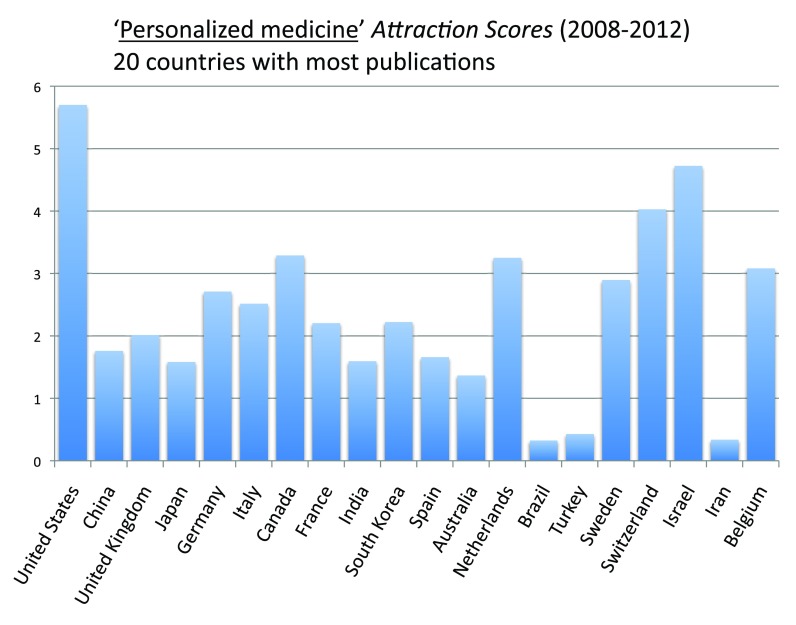
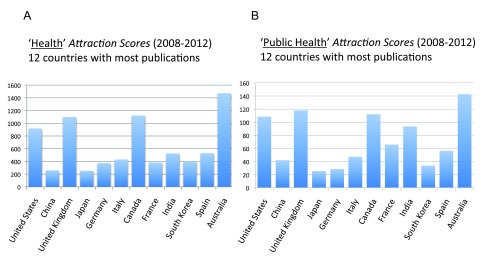
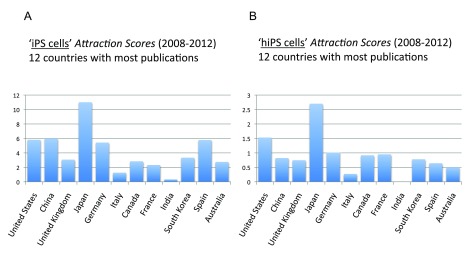
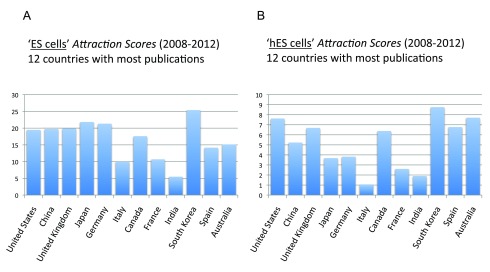
各国的生物医学出版物及吸引力得分。基于PubMed的评估。

Countries' Biomedical Publications and Attraction Scores. A PubMed-based assessment.

作者信息

Xu Qinyi, Boggio Andrea, Ballabeni Andrea

机构信息

Bentley University, Waltham, MA, 02452, USA.

Department of History and Social Science, Bryant University, Smithfield, RI, 02917, USA.

出版信息

F1000Res. 2014 Dec 1;3:292. doi: 10.12688/f1000research.5775.2. eCollection 2014.

DOI:10.12688/f1000research.5775.2
PMID:26401263
原文链接:https://pmc.ncbi.nlm.nih.gov/articles/PMC4566288/
Abstract

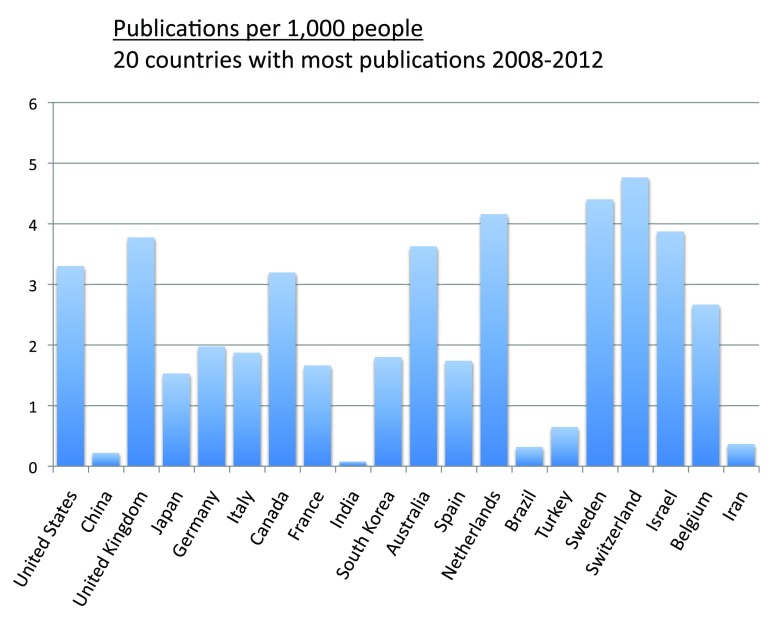
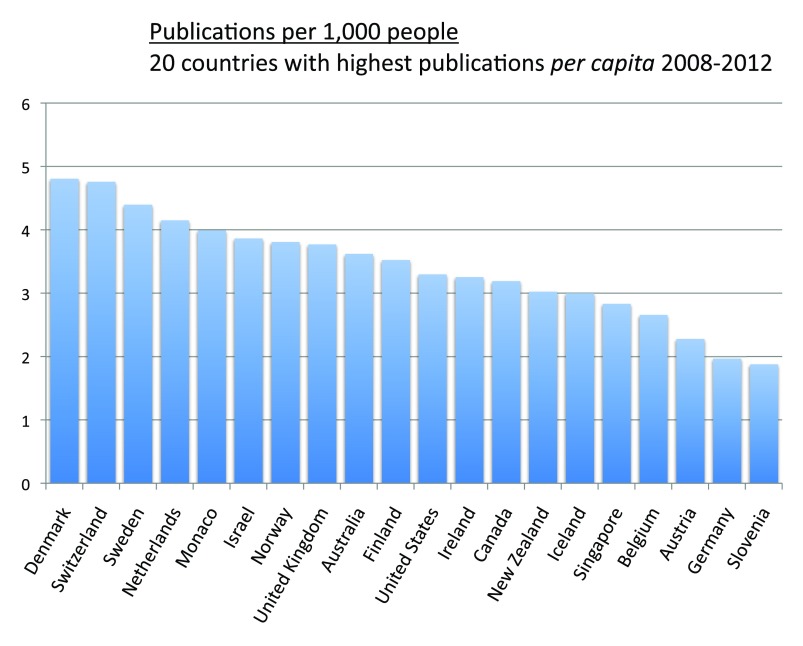
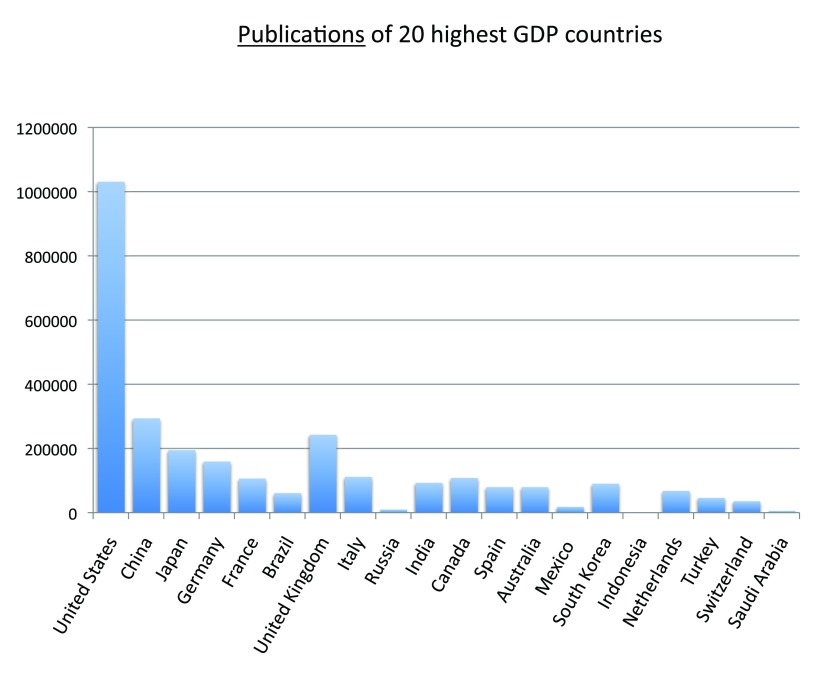
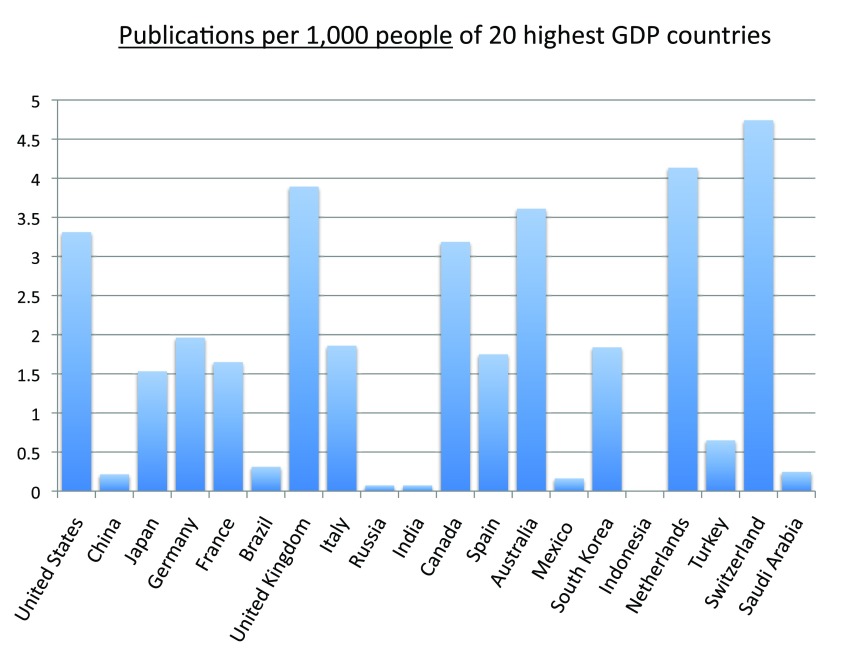
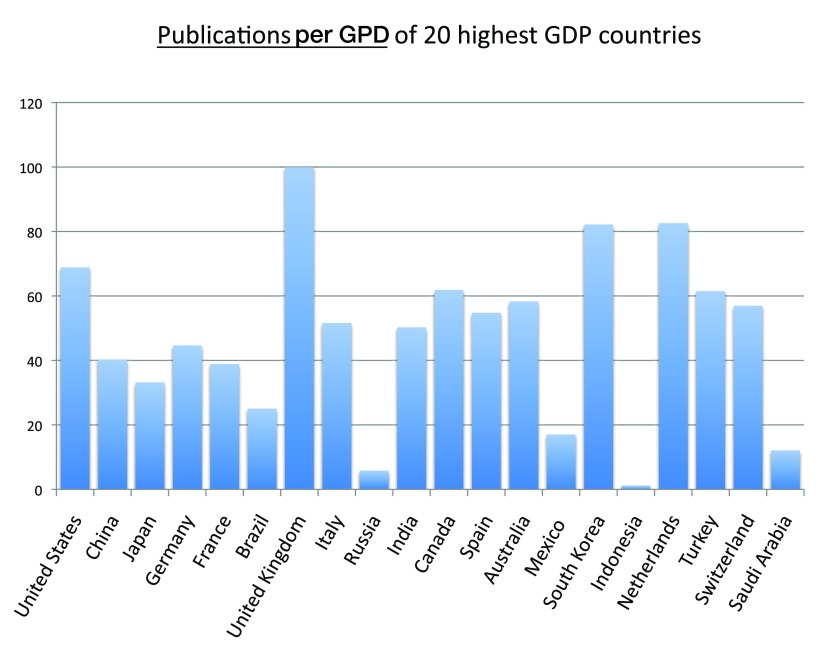
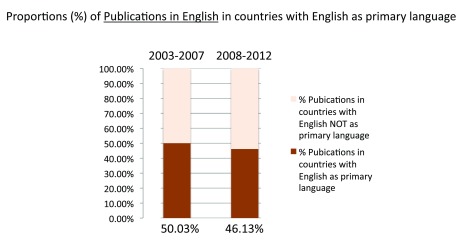
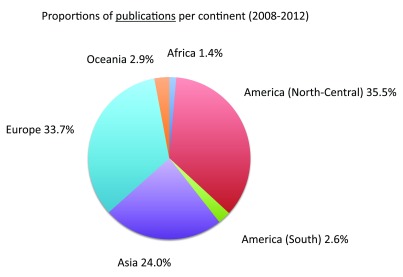
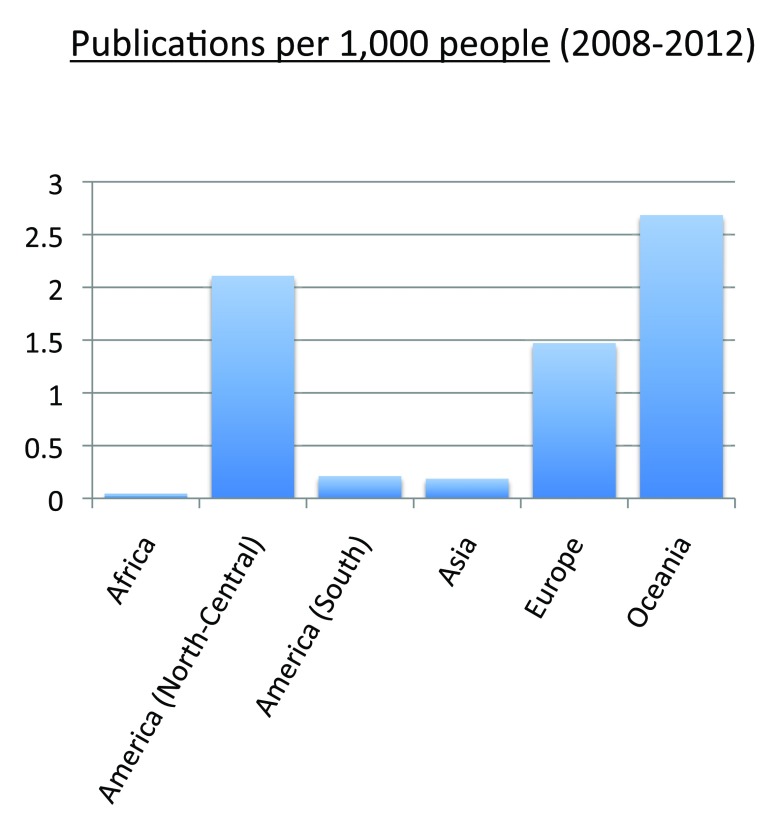
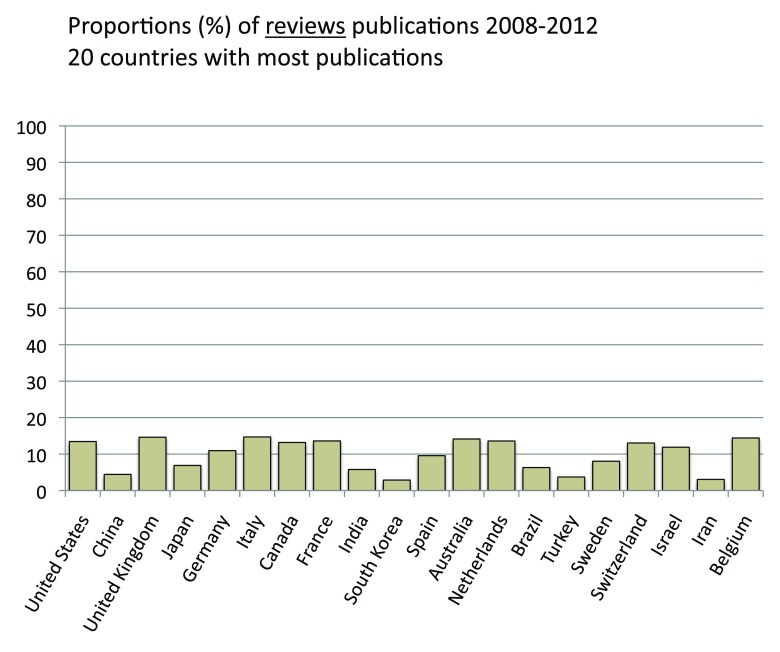
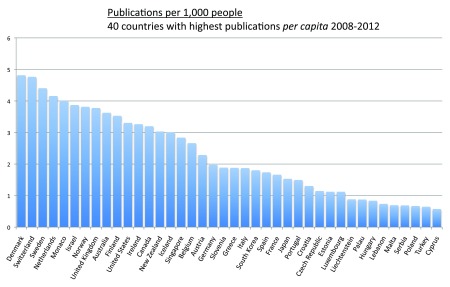
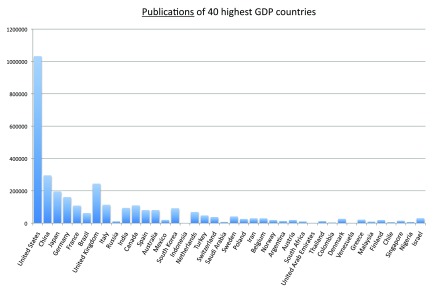
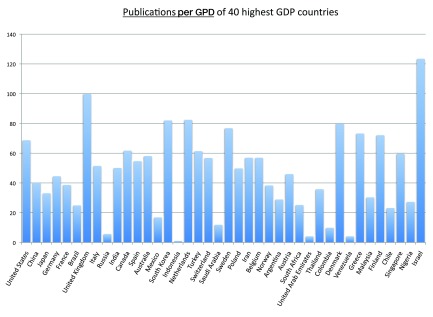
Studying publication volumes at the country level is key to understanding and improving a country's research system. PubMed is a public search engine of publications in all life sciences areas. Here, we show how this search engine can be used to assess the outputs of life science-related research by country. We have measured the numbers of publications during different time periods based on the country of affiliation of the first authors. Moreover, we have designed scores, which we have named Attraction Scores, to appraise the relative focus either toward particular types of studies, such as clinical trials or reviews, or toward specific research areas, such as public health and pharmacogenomics, or toward specific topics, for instance embryonic stem cells; we have also investigated a possible use of these Attraction Scores in connection with regulatory policies. We have weighed the statistics against general indicators such as country populations and gross domestic products (GDP). During the 5-year period 2008-2012, the United States was the country with the highest number of publications and Denmark the one with the highest number of publications per capita. Among the 40 countries with the highest GDPs, Israel had the highest publications-to-GDP ratio. Among the 20 countries with the most publications, Japan had the highest Attraction Score for induced pluripotent stem (iPS) cells and Italy the highest proportion of review publications. More than 50% of publications in English were from countries in which English is not the primary language. We show an assorted and extensive collection of rankings and charts that will inform scholars and policymakers in studying and improving the research systems both at the national and international level.

摘要

在国家层面研究出版物数量是理解和改进一个国家研究体系的关键。PubMed是所有生命科学领域出版物的公共搜索引擎。在此,我们展示了如何利用这个搜索引擎来评估各国生命科学相关研究的产出。我们根据第一作者的所属国家,统计了不同时间段内的出版物数量。此外,我们设计了一些分数,称之为“吸引力分数”,以评估对特定类型研究(如临床试验或综述)、特定研究领域(如公共卫生和药物基因组学)或特定主题(如胚胎干细胞)的相对关注程度;我们还研究了这些“吸引力分数”与监管政策相关的可能用途。我们将这些统计数据与国家人口和国内生产总值(GDP)等一般指标进行了权衡。在2008 - 2012年的5年期间,美国是出版物数量最多的国家,丹麦是人均出版物数量最多的国家。在GDP最高的40个国家中,以色列的出版物与GDP之比最高。在出版物数量最多的20个国家中,日本对诱导多能干细胞(iPS细胞)的“吸引力分数”最高,意大利的综述出版物比例最高。超过50%的英文出版物来自英语并非主要语言的国家。我们展示了一系列丰富的排名和图表,这将为学者和政策制定者在研究和改进国家及国际层面的研究体系时提供参考。
https://cdn.ncbi.nlm.nih.gov/pmc/blobs/d5d4/4647885/f7f8242a05d5/f1000research-3-7420-g0040.jpg
https://cdn.ncbi.nlm.nih.gov/pmc/blobs/d5d4/4647885/cf2493f64e3d/f1000research-3-7420-g0000.jpg
https://cdn.ncbi.nlm.nih.gov/pmc/blobs/d5d4/4647885/d606f1498d1b/f1000research-3-7420-g0001.jpg
https://cdn.ncbi.nlm.nih.gov/pmc/blobs/d5d4/4647885/a4ef9a547cde/f1000research-3-7420-g0002.jpg
https://cdn.ncbi.nlm.nih.gov/pmc/blobs/d5d4/4647885/c02bf1bea40e/f1000research-3-7420-g0003.jpg
https://cdn.ncbi.nlm.nih.gov/pmc/blobs/d5d4/4647885/93679d2b1b61/f1000research-3-7420-g0004.jpg
https://cdn.ncbi.nlm.nih.gov/pmc/blobs/d5d4/4647885/f82a90c71d04/f1000research-3-7420-g0005.jpg
https://cdn.ncbi.nlm.nih.gov/pmc/blobs/d5d4/4647885/e47bfdbcac5a/f1000research-3-7420-g0006.jpg
https://cdn.ncbi.nlm.nih.gov/pmc/blobs/d5d4/4647885/a1bbd80f05c8/f1000research-3-7420-g0007.jpg
https://cdn.ncbi.nlm.nih.gov/pmc/blobs/d5d4/4647885/f9f751d754ac/f1000research-3-7420-g0008.jpg
https://cdn.ncbi.nlm.nih.gov/pmc/blobs/d5d4/4647885/2df5381eb26e/f1000research-3-7420-g0009.jpg
https://cdn.ncbi.nlm.nih.gov/pmc/blobs/d5d4/4647885/b6c9710be671/f1000research-3-7420-g0010.jpg
https://cdn.ncbi.nlm.nih.gov/pmc/blobs/d5d4/4647885/3e1feb1baea1/f1000research-3-7420-g0011.jpg
https://cdn.ncbi.nlm.nih.gov/pmc/blobs/d5d4/4647885/c5b71bb78b84/f1000research-3-7420-g0012.jpg
https://cdn.ncbi.nlm.nih.gov/pmc/blobs/d5d4/4647885/9bc3f90a306e/f1000research-3-7420-g0013.jpg
https://cdn.ncbi.nlm.nih.gov/pmc/blobs/d5d4/4647885/c5cddfb6caef/f1000research-3-7420-g0014.jpg
https://cdn.ncbi.nlm.nih.gov/pmc/blobs/d5d4/4647885/a64f09dce12a/f1000research-3-7420-g0015.jpg
https://cdn.ncbi.nlm.nih.gov/pmc/blobs/d5d4/4647885/579d01886536/f1000research-3-7420-g0016.jpg
https://cdn.ncbi.nlm.nih.gov/pmc/blobs/d5d4/4647885/50e0c5d928fb/f1000research-3-7420-g0017.jpg
https://cdn.ncbi.nlm.nih.gov/pmc/blobs/d5d4/4647885/02c79efeeecd/f1000research-3-7420-g0018.jpg
https://cdn.ncbi.nlm.nih.gov/pmc/blobs/d5d4/4647885/9236a9804570/f1000research-3-7420-g0019.jpg
https://cdn.ncbi.nlm.nih.gov/pmc/blobs/d5d4/4647885/dd2351e29342/f1000research-3-7420-g0020.jpg
https://cdn.ncbi.nlm.nih.gov/pmc/blobs/d5d4/4647885/2c8532356a21/f1000research-3-7420-g0021.jpg
https://cdn.ncbi.nlm.nih.gov/pmc/blobs/d5d4/4647885/2fdb55f0991f/f1000research-3-7420-g0022.jpg
https://cdn.ncbi.nlm.nih.gov/pmc/blobs/d5d4/4647885/76f09a79fd37/f1000research-3-7420-g0023.jpg
https://cdn.ncbi.nlm.nih.gov/pmc/blobs/d5d4/4647885/b57ad584ef1f/f1000research-3-7420-g0024.jpg
https://cdn.ncbi.nlm.nih.gov/pmc/blobs/d5d4/4647885/8928d3cb9af6/f1000research-3-7420-g0025.jpg
https://cdn.ncbi.nlm.nih.gov/pmc/blobs/d5d4/4647885/5d95112ba643/f1000research-3-7420-g0026.jpg
https://cdn.ncbi.nlm.nih.gov/pmc/blobs/d5d4/4647885/763531cede90/f1000research-3-7420-g0027.jpg
https://cdn.ncbi.nlm.nih.gov/pmc/blobs/d5d4/4647885/29dd228c419c/f1000research-3-7420-g0028.jpg
https://cdn.ncbi.nlm.nih.gov/pmc/blobs/d5d4/4647885/5aab6220cae4/f1000research-3-7420-g0029.jpg
https://cdn.ncbi.nlm.nih.gov/pmc/blobs/d5d4/4647885/cecaa9cb47bf/f1000research-3-7420-g0030.jpg
https://cdn.ncbi.nlm.nih.gov/pmc/blobs/d5d4/4647885/758305da9005/f1000research-3-7420-g0031.jpg
https://cdn.ncbi.nlm.nih.gov/pmc/blobs/d5d4/4647885/66fad6fd74b5/f1000research-3-7420-g0032.jpg
https://cdn.ncbi.nlm.nih.gov/pmc/blobs/d5d4/4647885/0894a2b86f5f/f1000research-3-7420-g0034.jpg
https://cdn.ncbi.nlm.nih.gov/pmc/blobs/d5d4/4647885/2a053e39a480/f1000research-3-7420-g0036.jpg
https://cdn.ncbi.nlm.nih.gov/pmc/blobs/d5d4/4647885/dcb39216d6e6/f1000research-3-7420-g0038.jpg
https://cdn.ncbi.nlm.nih.gov/pmc/blobs/d5d4/4647885/f7f8242a05d5/f1000research-3-7420-g0040.jpg
https://cdn.ncbi.nlm.nih.gov/pmc/blobs/d5d4/4647885/cf2493f64e3d/f1000research-3-7420-g0000.jpg
https://cdn.ncbi.nlm.nih.gov/pmc/blobs/d5d4/4647885/d606f1498d1b/f1000research-3-7420-g0001.jpg
https://cdn.ncbi.nlm.nih.gov/pmc/blobs/d5d4/4647885/a4ef9a547cde/f1000research-3-7420-g0002.jpg
https://cdn.ncbi.nlm.nih.gov/pmc/blobs/d5d4/4647885/c02bf1bea40e/f1000research-3-7420-g0003.jpg
https://cdn.ncbi.nlm.nih.gov/pmc/blobs/d5d4/4647885/93679d2b1b61/f1000research-3-7420-g0004.jpg
https://cdn.ncbi.nlm.nih.gov/pmc/blobs/d5d4/4647885/f82a90c71d04/f1000research-3-7420-g0005.jpg
https://cdn.ncbi.nlm.nih.gov/pmc/blobs/d5d4/4647885/e47bfdbcac5a/f1000research-3-7420-g0006.jpg
https://cdn.ncbi.nlm.nih.gov/pmc/blobs/d5d4/4647885/a1bbd80f05c8/f1000research-3-7420-g0007.jpg
https://cdn.ncbi.nlm.nih.gov/pmc/blobs/d5d4/4647885/f9f751d754ac/f1000research-3-7420-g0008.jpg
https://cdn.ncbi.nlm.nih.gov/pmc/blobs/d5d4/4647885/2df5381eb26e/f1000research-3-7420-g0009.jpg
https://cdn.ncbi.nlm.nih.gov/pmc/blobs/d5d4/4647885/b6c9710be671/f1000research-3-7420-g0010.jpg
https://cdn.ncbi.nlm.nih.gov/pmc/blobs/d5d4/4647885/3e1feb1baea1/f1000research-3-7420-g0011.jpg
https://cdn.ncbi.nlm.nih.gov/pmc/blobs/d5d4/4647885/c5b71bb78b84/f1000research-3-7420-g0012.jpg
https://cdn.ncbi.nlm.nih.gov/pmc/blobs/d5d4/4647885/9bc3f90a306e/f1000research-3-7420-g0013.jpg
https://cdn.ncbi.nlm.nih.gov/pmc/blobs/d5d4/4647885/c5cddfb6caef/f1000research-3-7420-g0014.jpg
https://cdn.ncbi.nlm.nih.gov/pmc/blobs/d5d4/4647885/a64f09dce12a/f1000research-3-7420-g0015.jpg
https://cdn.ncbi.nlm.nih.gov/pmc/blobs/d5d4/4647885/579d01886536/f1000research-3-7420-g0016.jpg
https://cdn.ncbi.nlm.nih.gov/pmc/blobs/d5d4/4647885/50e0c5d928fb/f1000research-3-7420-g0017.jpg
https://cdn.ncbi.nlm.nih.gov/pmc/blobs/d5d4/4647885/02c79efeeecd/f1000research-3-7420-g0018.jpg
https://cdn.ncbi.nlm.nih.gov/pmc/blobs/d5d4/4647885/9236a9804570/f1000research-3-7420-g0019.jpg
https://cdn.ncbi.nlm.nih.gov/pmc/blobs/d5d4/4647885/dd2351e29342/f1000research-3-7420-g0020.jpg
https://cdn.ncbi.nlm.nih.gov/pmc/blobs/d5d4/4647885/2c8532356a21/f1000research-3-7420-g0021.jpg
https://cdn.ncbi.nlm.nih.gov/pmc/blobs/d5d4/4647885/2fdb55f0991f/f1000research-3-7420-g0022.jpg
https://cdn.ncbi.nlm.nih.gov/pmc/blobs/d5d4/4647885/76f09a79fd37/f1000research-3-7420-g0023.jpg
https://cdn.ncbi.nlm.nih.gov/pmc/blobs/d5d4/4647885/b57ad584ef1f/f1000research-3-7420-g0024.jpg
https://cdn.ncbi.nlm.nih.gov/pmc/blobs/d5d4/4647885/8928d3cb9af6/f1000research-3-7420-g0025.jpg
https://cdn.ncbi.nlm.nih.gov/pmc/blobs/d5d4/4647885/5d95112ba643/f1000research-3-7420-g0026.jpg
https://cdn.ncbi.nlm.nih.gov/pmc/blobs/d5d4/4647885/763531cede90/f1000research-3-7420-g0027.jpg
https://cdn.ncbi.nlm.nih.gov/pmc/blobs/d5d4/4647885/29dd228c419c/f1000research-3-7420-g0028.jpg
https://cdn.ncbi.nlm.nih.gov/pmc/blobs/d5d4/4647885/5aab6220cae4/f1000research-3-7420-g0029.jpg
https://cdn.ncbi.nlm.nih.gov/pmc/blobs/d5d4/4647885/cecaa9cb47bf/f1000research-3-7420-g0030.jpg
https://cdn.ncbi.nlm.nih.gov/pmc/blobs/d5d4/4647885/758305da9005/f1000research-3-7420-g0031.jpg
https://cdn.ncbi.nlm.nih.gov/pmc/blobs/d5d4/4647885/66fad6fd74b5/f1000research-3-7420-g0032.jpg
https://cdn.ncbi.nlm.nih.gov/pmc/blobs/d5d4/4647885/0894a2b86f5f/f1000research-3-7420-g0034.jpg
https://cdn.ncbi.nlm.nih.gov/pmc/blobs/d5d4/4647885/2a053e39a480/f1000research-3-7420-g0036.jpg
https://cdn.ncbi.nlm.nih.gov/pmc/blobs/d5d4/4647885/dcb39216d6e6/f1000research-3-7420-g0038.jpg
https://cdn.ncbi.nlm.nih.gov/pmc/blobs/d5d4/4647885/f7f8242a05d5/f1000research-3-7420-g0040.jpg

相似文献

1
Countries' Biomedical Publications and Attraction Scores. A PubMed-based assessment.各国的生物医学出版物及吸引力得分。基于PubMed的评估。
F1000Res. 2014 Dec 1;3:292. doi: 10.12688/f1000research.5775.2. eCollection 2014.
2
PubMed-based quantitative analysis of biomedical publications in the SAARC countries: 1985-2009.基于PubMed对南盟国家生物医学出版物的定量分析:1985 - 2009年
J Coll Physicians Surg Pak. 2012 Sep;22(9):560-4.
3
A bibliometric overview of public health research in Europe.欧洲公共卫生研究的文献计量学概述。
Eur J Public Health. 2007;17 Suppl 1:43-9. doi: 10.1093/eurpub/ckm063.
4
A quantitative analysis of medical publications from Arab countries.对来自阿拉伯国家的医学出版物的定量分析。
Saudi Med J. 2003 Mar;24(3):294-6.
5
Is research related to a country's economic development? An analysis of biomedical publications from several GCC and ASEAN countries from 1994-2013.研究与一个国家的经济发展有关吗?对1994年至2013年几个海湾合作委员会(GCC)和东盟国家生物医学出版物的分析。
Med J Malaysia. 2016 Apr;71(2):57-61.
6
[Bibliometric analysis of the current international ophthalmic publications].[当前国际眼科出版物的文献计量分析]
Nippon Ganka Gakkai Zasshi. 2005 Mar;109(3):115-25.
7
Geographic origin of publications in radiological journals as a function of GDP and percentage of GDP spent on research.放射学期刊出版物的地理来源与 GDP 以及用于研究的 GDP 百分比的关系。
Acad Radiol. 2010 Jun;17(6):768-71. doi: 10.1016/j.acra.2010.01.020. Epub 2010 Apr 2.
8
Disparity in biomedical publication trends in the CARICOM countries: Is there a need for a more vibrant research culture in the region?加勒比共同体国家生物医学出版物趋势的差异:该地区是否需要更具活力的研究文化?
SAGE Open Med. 2020 Dec 10;8:2050312120953285. doi: 10.1177/2050312120953285. eCollection 2020.
9
Retrospective bibliometric review of rural health research: Australia's contribution and other trends.农村卫生研究的回顾性文献计量学综述:澳大利亚的贡献及其他趋势
Rural Remote Health. 2007 Oct-Dec;7(4):767. Epub 2007 Nov 14.
10
Evolution of Inflammatory Bowel Disease Research From a Bird's-Eye Perspective: A Text-Mining Analysis of Publication Trends and Topics.从鸟瞰视角看炎症性肠病研究的演变:基于文献发表趋势和主题的文本挖掘分析。
Inflamm Bowel Dis. 2021 Feb 16;27(3):434-439. doi: 10.1093/ibd/izaa091.

引用本文的文献

1
Aspects of Self-Management After Solid Organ Transplantation-A Scoping Review.实体器官移植后的自我管理方面——一项范围综述
Nurs Rep. 2025 Aug 19;15(8):304. doi: 10.3390/nursrep15080304.
2
Has COVID-19 affected the publication productivity of neurosurgeons in UK and Republic of Ireland? A bibliometric analysis.新冠疫情是否影响了英国和爱尔兰共和国神经外科医生的论文发表产出?一项文献计量分析。
Health Open Res. 2024 Aug 12;5:39. doi: 10.12688/healthopenres.13445.2. eCollection 2023.
3
Stafne's bone defect: a systematic review.Stafne 氏骨缺损:系统评价。
Med Oral Patol Oral Cir Bucal. 2023 May 1;28(3):e264-e271. doi: 10.4317/medoral.25676.
4
Research Trends and Geographical Contribution in the Field of Perinatal Mental Health: A Bibliometric Analysis from 1900 to 2020.围产期心理健康领域的研究趋势与地域贡献:1900年至2020年的文献计量分析
Womens Health Rep (New Rochelle). 2022 Jul 25;3(1):661-669. doi: 10.1089/whr.2021.0144. eCollection 2022.
5
The Physician on a Board of Directors: Bane or Benefit?董事会中的医生:祸还是福?
J Healthc Leadersh. 2022 Feb 22;14:17-23. doi: 10.2147/JHL.S344510. eCollection 2022.
6
Where there is no local author: a network bibliometric analysis of authorship parasitism among research conducted in sub-Saharan Africa.无本土作者情况下的署名寄生现象:撒哈拉以南非洲地区开展的研究中的作者署名寄生行为的网络计量学分析。
BMJ Glob Health. 2021 Oct;6(10). doi: 10.1136/bmjgh-2021-006982.
7
The most influential papers in direct anterior approach to total hip arthroplasty.全髋关节置换术直接前路入路中最具影响力的论文。
Arthroplast Today. 2020 Feb 22;6(2):190-195. doi: 10.1016/j.artd.2020.01.006. eCollection 2020 Jun.
8
Quality of Systematic Reviews of the Foods with Function Claims in Japan: Comparative Before- and After-Evaluation of Verification Reports by the Consumer Affairs Agency.日本声称具有特定功能的食品系统评价的质量:消费者厅验证报告的前后对比评估。
Nutrients. 2019 Jul 12;11(7):1583. doi: 10.3390/nu11071583.
9
With open science gaining traction, do we need an Australasia PubMed Central (PMC)? A qualitative investigation.随着开放科学的兴起,我们是否需要一个澳大拉西亚 PubMed 中心(PMC)?一项定性研究。
PLoS One. 2019 Feb 22;14(2):e0212843. doi: 10.1371/journal.pone.0212843. eCollection 2019.
10
Contribution of NIH funding to new drug approvals 2010-2016.NIH 资助对 2010-2016 年新药批准的贡献。
Proc Natl Acad Sci U S A. 2018 Mar 6;115(10):2329-2334. doi: 10.1073/pnas.1715368115. Epub 2018 Feb 12.