Fushima Kenji, Kobayashi Masaru
Division of Orthodontics, Department of Highly Advanced Stomatology, Graduate School of Dentistry, Kanagawa Dental University, 3-31-6 Tsuruya-cho, Kanagawa-ku, Yokohama, Kanagawa 221-0835 Japan.
Department of Oral & Maxillofacial Surgery, Graduate School of Dentistry, Kanagawa Dental University, 82 Inaoka-cho, Yokosuka, Kanagawa 238-8580 Japan.
Maxillofac Plast Reconstr Surg. 2016 Mar 9;38(1):13. doi: 10.1186/s40902-016-0059-z. eCollection 2016 Dec.
Mandibular motion tracking system (ManMoS) has been developed for orthognathic surgery. This article aimed to introduce the ManMoS and to examine the accuracy of this system.
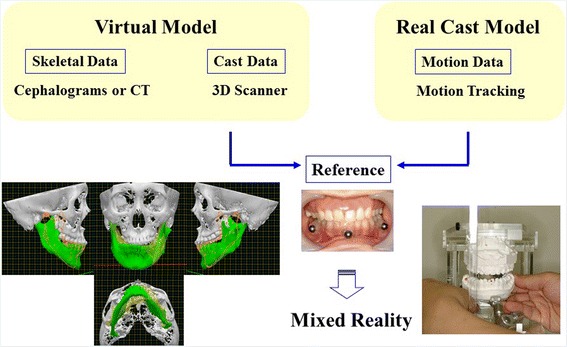
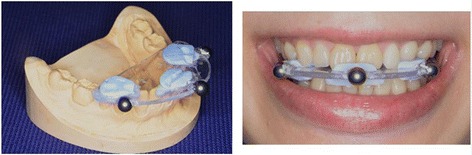
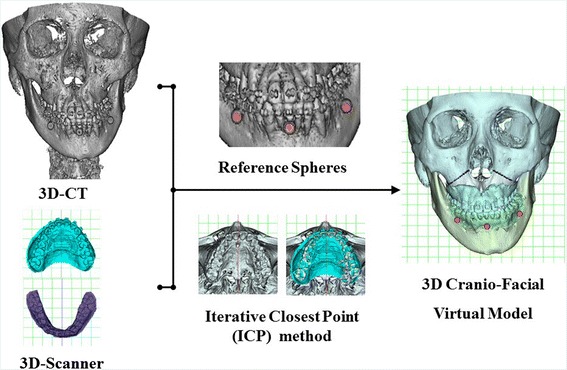
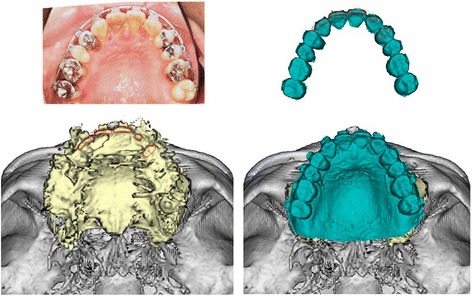
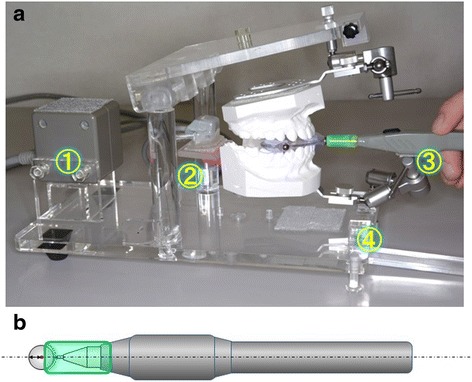
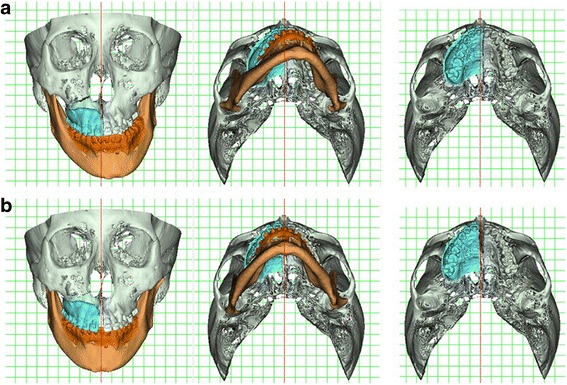
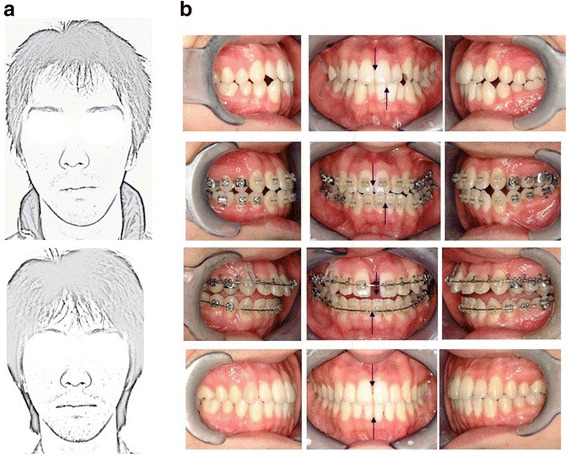
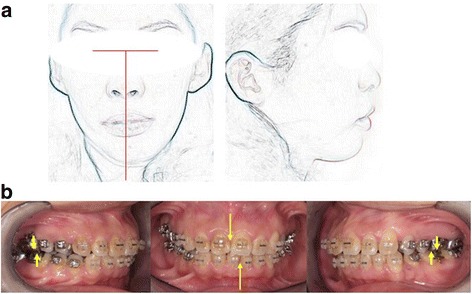
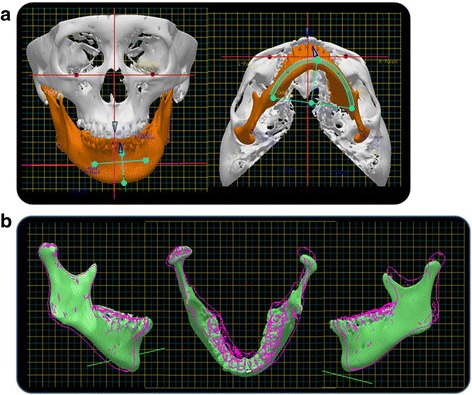
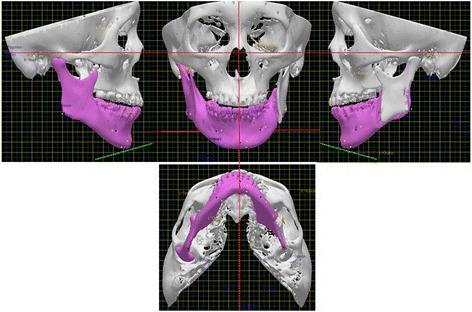
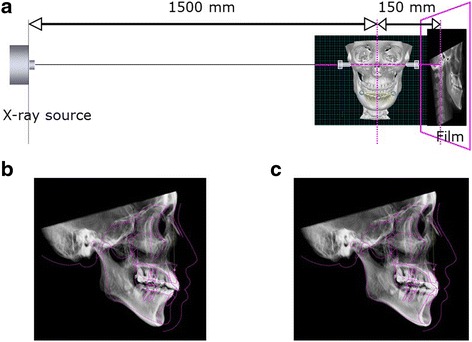
Skeletal and dental models are reconstructed in a virtual space from the DICOM data of three-dimensional computed tomography (3D-CT) recording and the STL data of 3D scanning, respectively. The ManMoS uniquely integrates the virtual dento-skeletal model with the real motion of the dental cast mounted on the simulator, using the reference splint. Positional change of the dental cast is tracked by using the 3D motion tracking equipment and reflects on the jaw position of the virtual model in real time, generating the mixed-reality surgical simulation. ManMoS was applied for two clinical cases having a facial asymmetry. In order to assess the accuracy of the ManMoS, the positional change of the lower dental arch was compared between the virtual and real models.
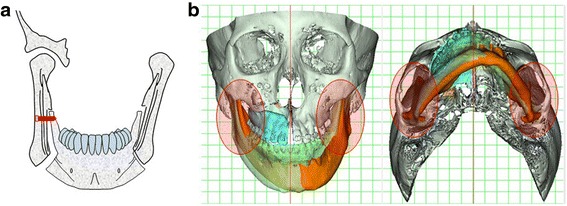
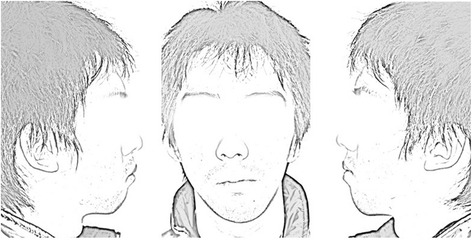
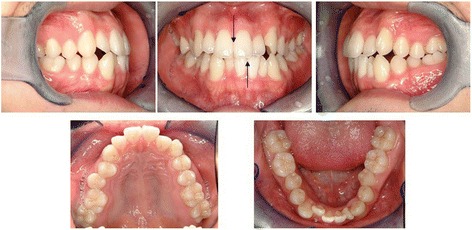
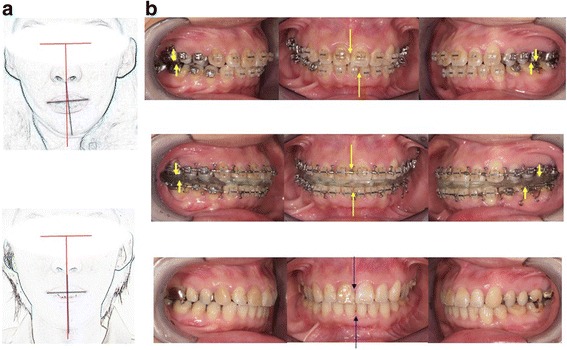
With the measurement data of the real lower dental cast as a reference, measurement error for the whole simulation system was less than 0.32 mm. In ManMoS, the skeletal and dental asymmetries were adequately diagnosed in three dimensions. Jaw repositioning was simulated with priority given to the skeletal correction rather than the occlusal correction. In two cases, facial asymmetry was successfully improved while a normal occlusal relationship was reconstructed. Positional change measured in the virtual model did not differ significantly from that in the real model.
It was suggested that the accuracy of the ManMoS was good enough for a clinical use. This surgical simulation system appears to meet clinical demands well and is an important facilitator of communication between orthodontists and surgeons.
下颌运动跟踪系统(ManMoS)已被开发用于正颌外科手术。本文旨在介绍ManMoS并检验该系统的准确性。
分别从三维计算机断层扫描(3D-CT)记录的DICOM数据和3D扫描的STL数据在虚拟空间中重建骨骼和牙齿模型。ManMoS使用参考夹板将虚拟牙-骨骼模型与安装在模拟器上的牙模的真实运动独特地整合在一起。使用3D运动跟踪设备跟踪牙模的位置变化,并实时反映在虚拟模型的颌骨位置上,生成混合现实手术模拟。ManMoS应用于两例面部不对称的临床病例。为了评估ManMoS的准确性,比较了虚拟模型和真实模型中下牙弓的位置变化。
以真实下牙模的测量数据为参考,整个模拟系统的测量误差小于0.32毫米。在ManMoS中,骨骼和牙齿不对称在三维空间中得到了充分诊断。模拟颌骨重新定位时优先考虑骨骼矫正而非咬合矫正。在两例病例中,面部不对称成功改善,同时重建了正常的咬合关系。虚拟模型中测量的位置变化与真实模型中的位置变化无显著差异。
提示ManMoS的准确性足以用于临床。该手术模拟系统似乎能很好地满足临床需求,是正畸医生和外科医生之间沟通的重要促进工具。