Fazzina R, Iudicone P, Fioravanti D, Bonanno G, Totta P, Zizzari I G, Pierelli L
InScientiaFides Foundation, San Marino, Republic of San Marino.
Immunohematology and Transfusion Medicine, San Camillo Forlanini Hospital, Rome, Italy.
Stem Cell Res Ther. 2016 Aug 25;7(1):122. doi: 10.1186/s13287-016-0383-3.
Mesenchymal stromal cells (MSCs) have been largely investigated, in the past decade, as potential therapeutic strategies for various acute and chronic pathological conditions. MSCs isolated from different sources, such as bone marrow (BM), umbilical cord tissue (UCT) and adipose tissue (AT), share many biological features, although they may show some differences on cumulative yield, proliferative ability and differentiation potential. The standardization of MSCs growth and their functional amplification is a mandatory objective of cell therapies. The aim of this study was to evaluate the cumulative yield and the ex vivo amplification potential of MSCs obtained from various sources and different subjects, using defined culture conditions with a standardized platelet lysate (PL) as growth stimulus.
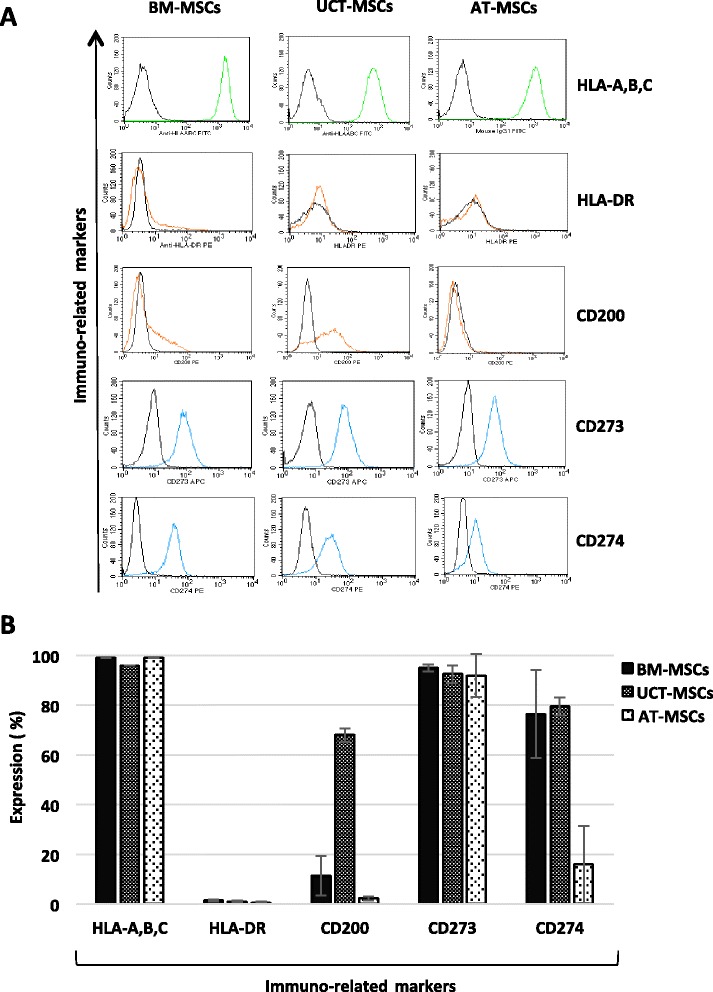
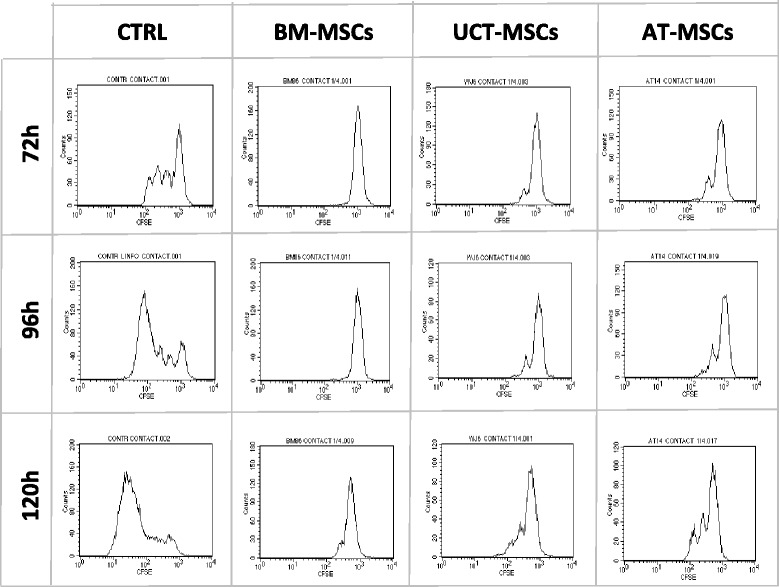
MSCs isolated from BM, UCT and AT and expanded in human PL were compared in terms of cumulative yield and growth potential per gram of starting tissue. MSCs morphology, phenotype, differentiation potential, and immunomodulatory properties were also investigated to evaluate their biological characteristics.
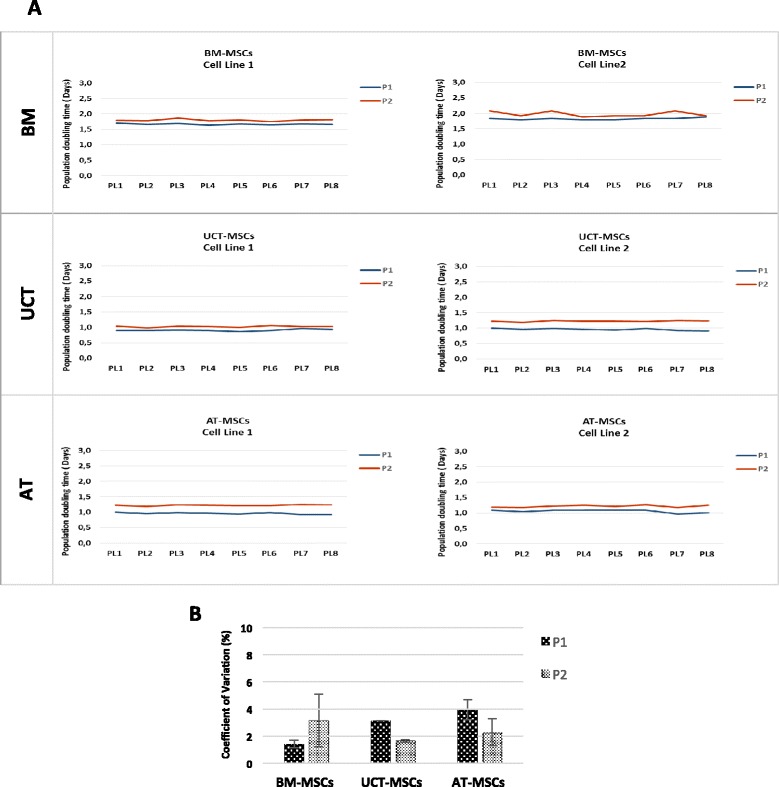
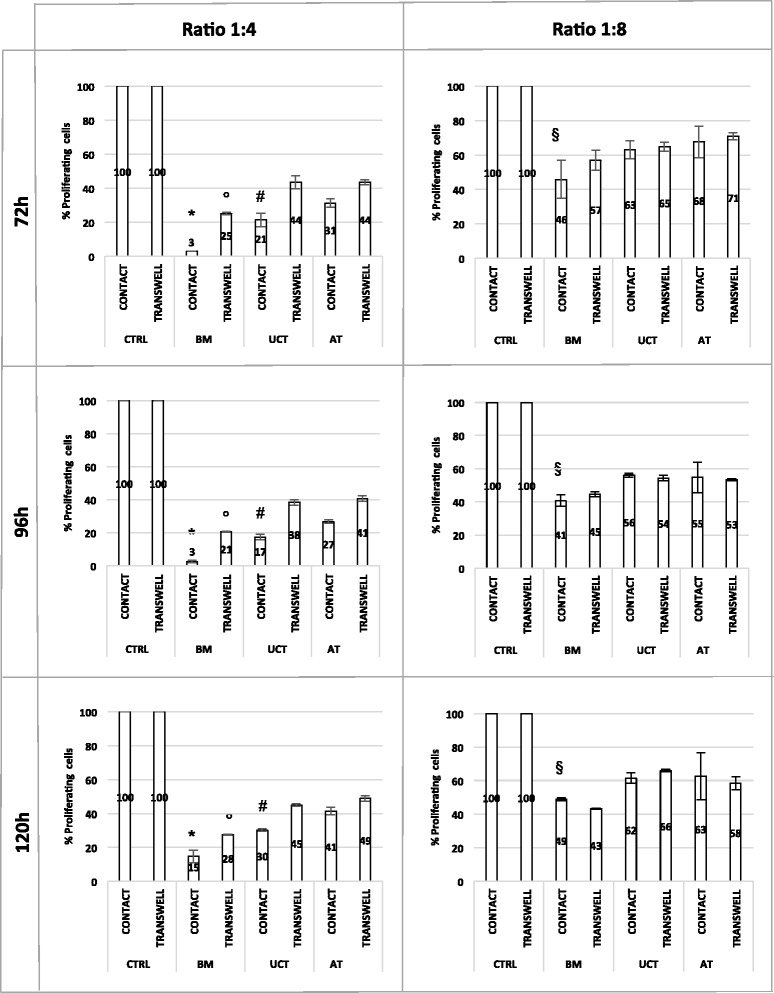
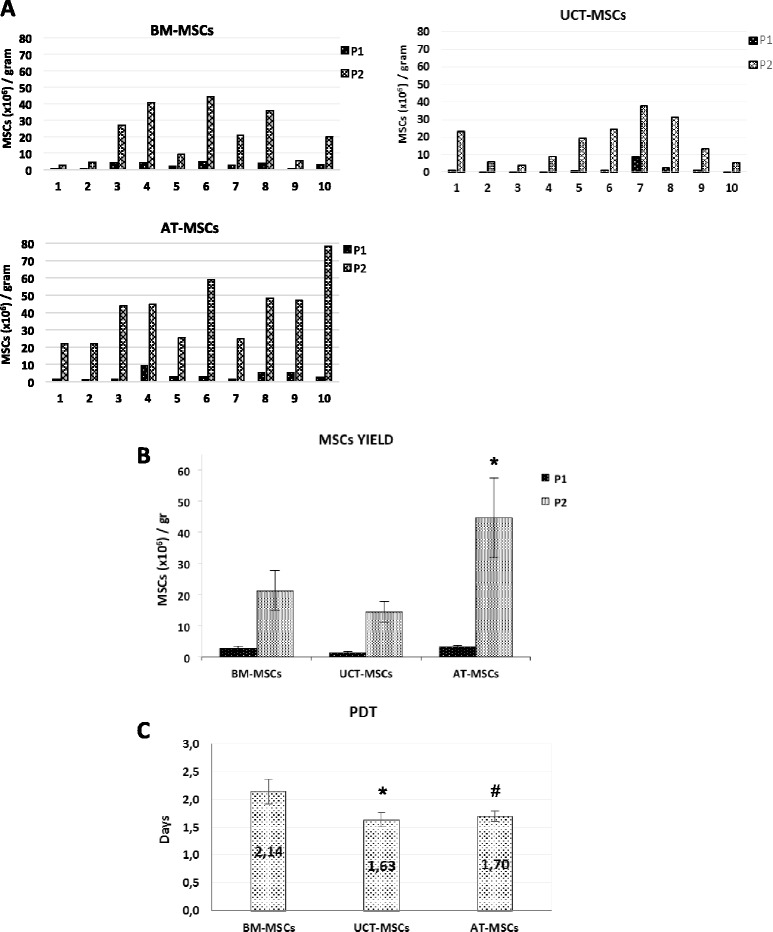
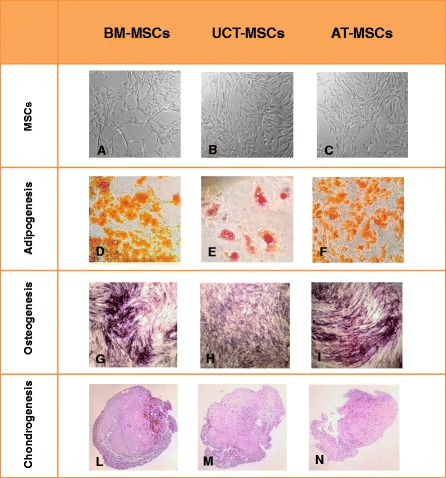
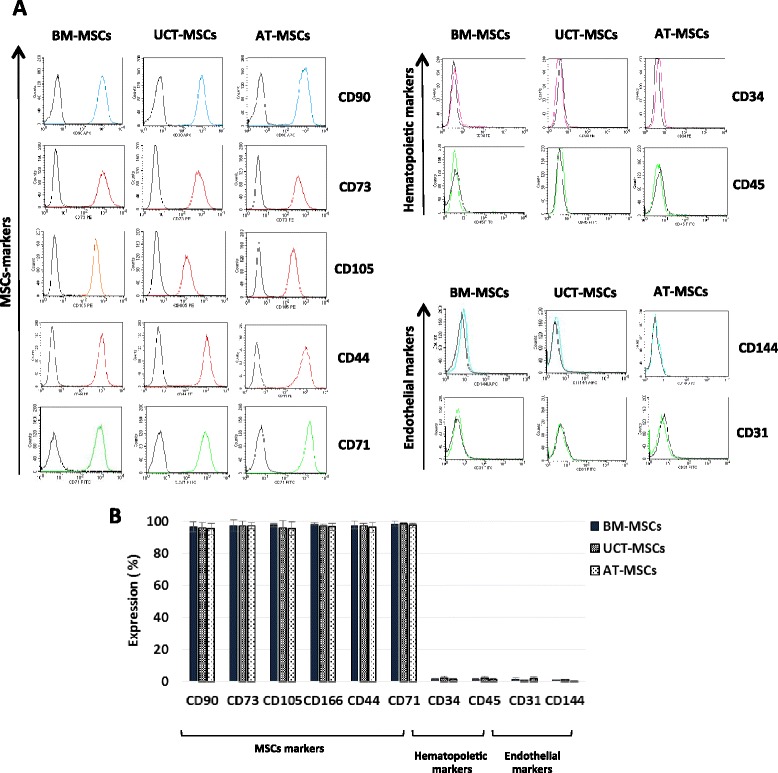
The use of standardized PL-based culture conditions resulted in a very low variability of MSC growth. Our data showed that AT has the greater capacity to generate MSC per gram of initial tissue, compared to BM and UCT. However, UCT-MSCs replicated faster than AT-MSCs and BM-MSCs, revealing a greater proliferation capacity of this source irrespective of its lower MSC yield. All MSCs exhibited the typical MSC phenotype and the ability to differentiate into all mesodermal lineages, while BM-MSCs showed the most prominent immunosuppressive effect in vitro.
The adoption of standardized culture conditions may help researchers and clinicians to reveal particular characteristics and inter-individual variability of MSCs sourced from different tissues. These data will be beneficial to set the standards for tissue collection and MSCs clinical-scale expansion both for cell banking and for cell-based therapy settings.
在过去十年中,间充质基质细胞(MSCs)作为各种急慢性病理状况的潜在治疗策略受到了广泛研究。从不同来源分离的MSCs,如骨髓(BM)、脐带组织(UCT)和脂肪组织(AT),具有许多生物学特征,尽管它们在累积产量、增殖能力和分化潜能方面可能存在一些差异。MSCs生长及其功能扩增的标准化是细胞治疗的一项强制性目标。本研究的目的是使用定义的培养条件和标准化血小板裂解液(PL)作为生长刺激物,评估从不同来源和不同个体获得的MSCs的累积产量和体外扩增潜能。
比较从BM、UCT和AT分离并在人PL中扩增的MSCs每克起始组织的累积产量和生长潜能。还研究了MSCs的形态、表型、分化潜能和免疫调节特性,以评估其生物学特征。
使用基于标准化PL的培养条件导致MSCs生长的变异性非常低。我们的数据表明,与BM和UCT相比,AT每克初始组织产生MSCs的能力更强。然而,UCT-MSCs比AT-MSCs和BM-MSCs复制得更快,这表明该来源具有更大的增殖能力,尽管其MSCs产量较低。所有MSCs均表现出典型的MSCs表型和分化为所有中胚层谱系的能力,而BM-MSCs在体外表现出最显著的免疫抑制作用。
采用标准化培养条件可能有助于研究人员和临床医生揭示源自不同组织的MSCs的特殊特征和个体间变异性。这些数据将有助于为细胞库和基于细胞的治疗设置制定组织采集和MSCs临床规模扩增的标准。