Wang Hui-Juan, Shi Zuo-Kun, Shen Qi-Da, Xu Cai-Di, Wang Bing, Meng Zhao-Jun, Wang Shi-Gui, Tang Bin, Wang Su
College of Life and Environmental Sciences, Hangzhou Normal University Hangzhou, China.
Institute of Plant and Environment Protection, Beijing Academy of Agriculture and Forestry Sciences Beijing, China.
Front Physiol. 2017 Feb 9;8:60. doi: 10.3389/fphys.2017.00060. eCollection 2017.
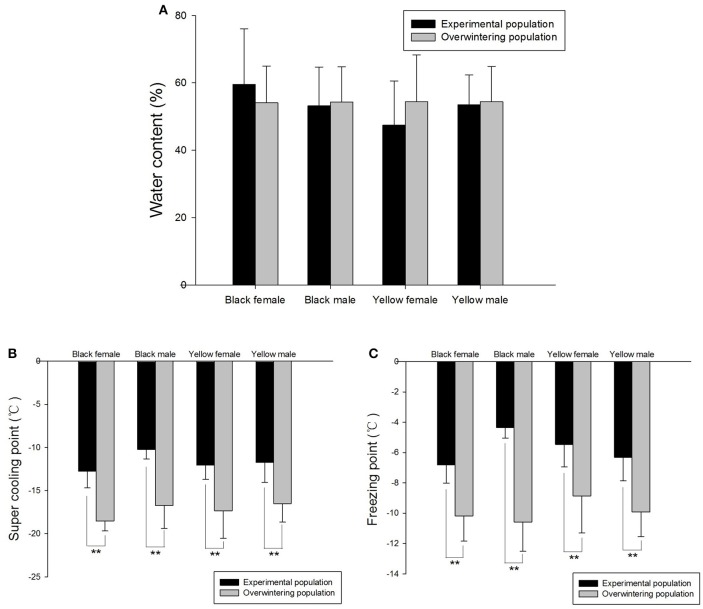
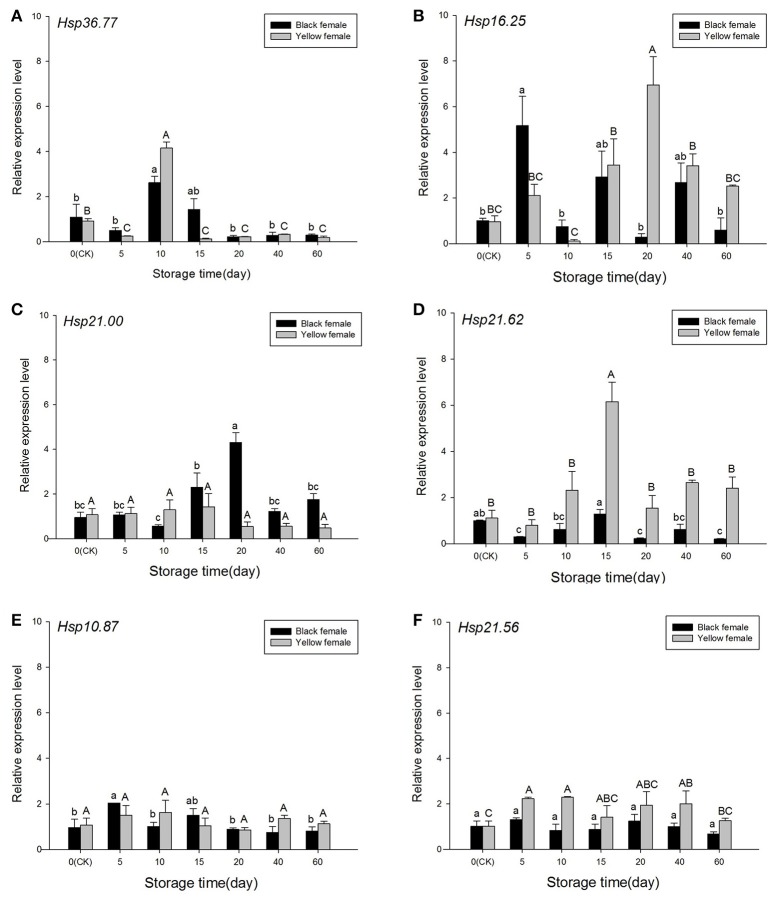
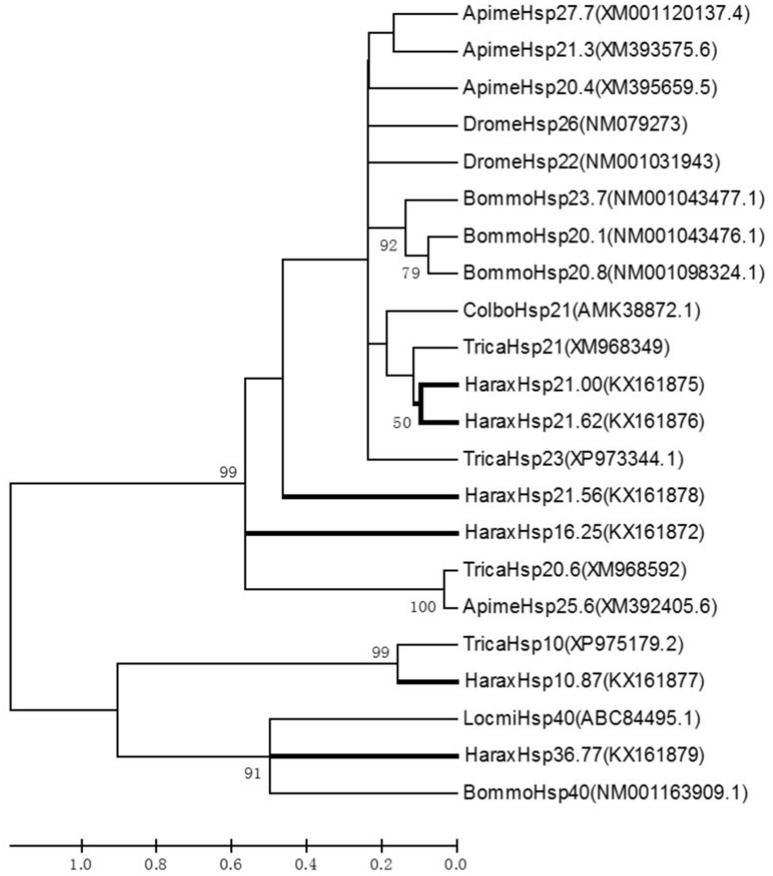
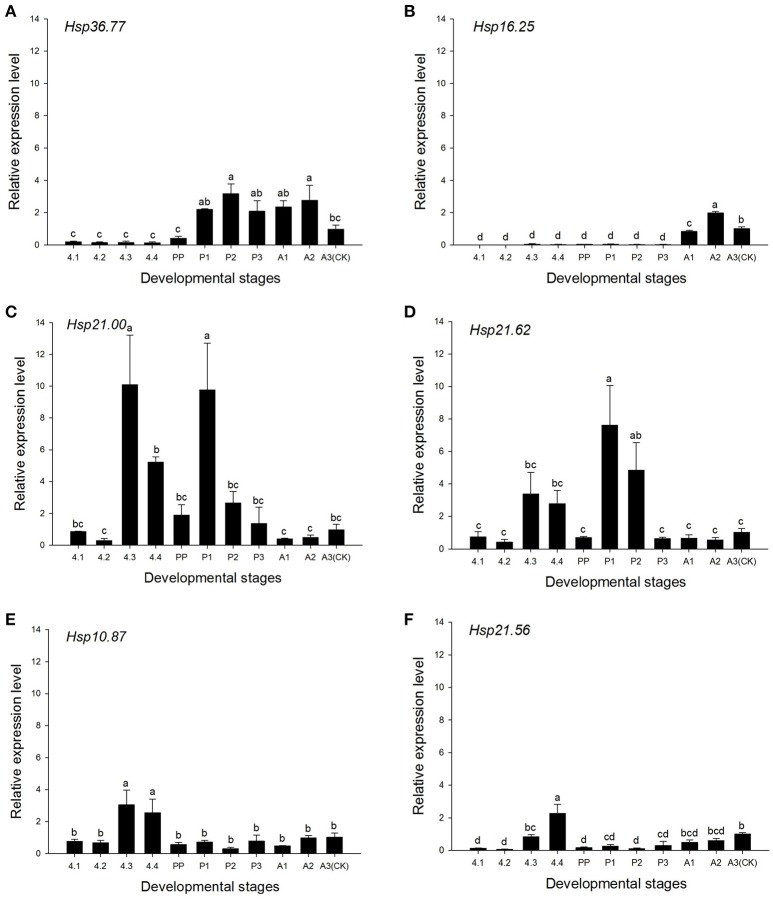
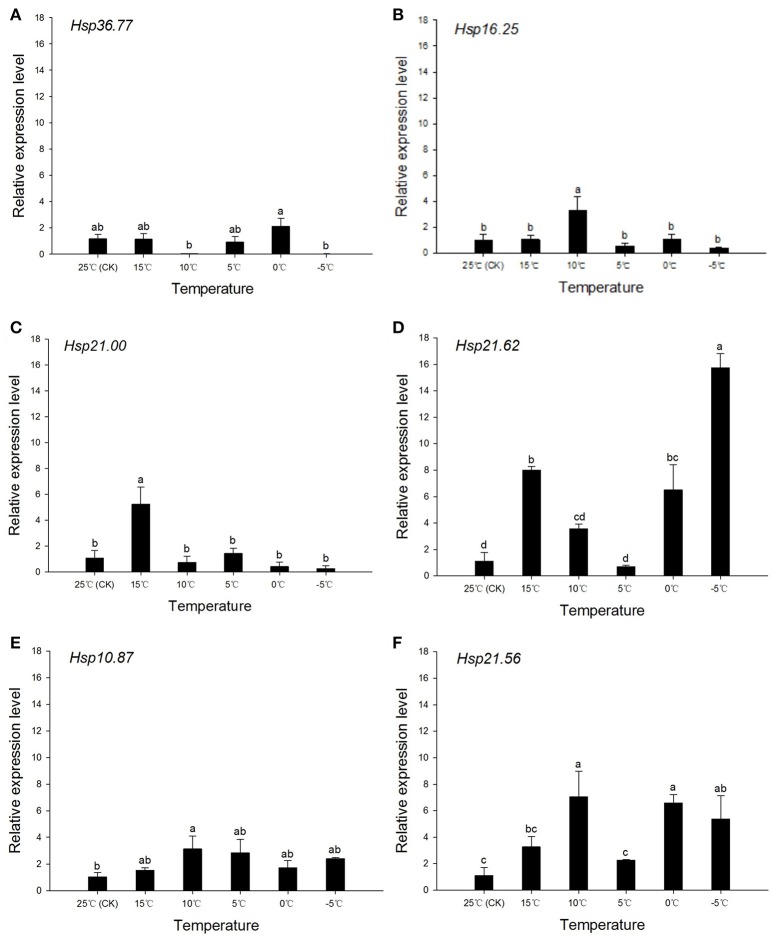
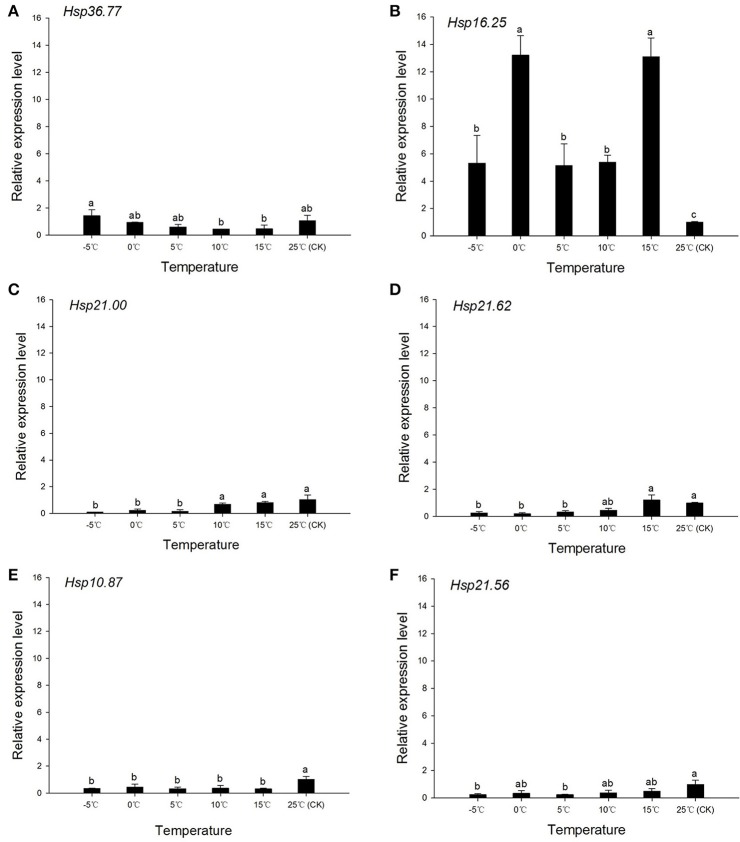
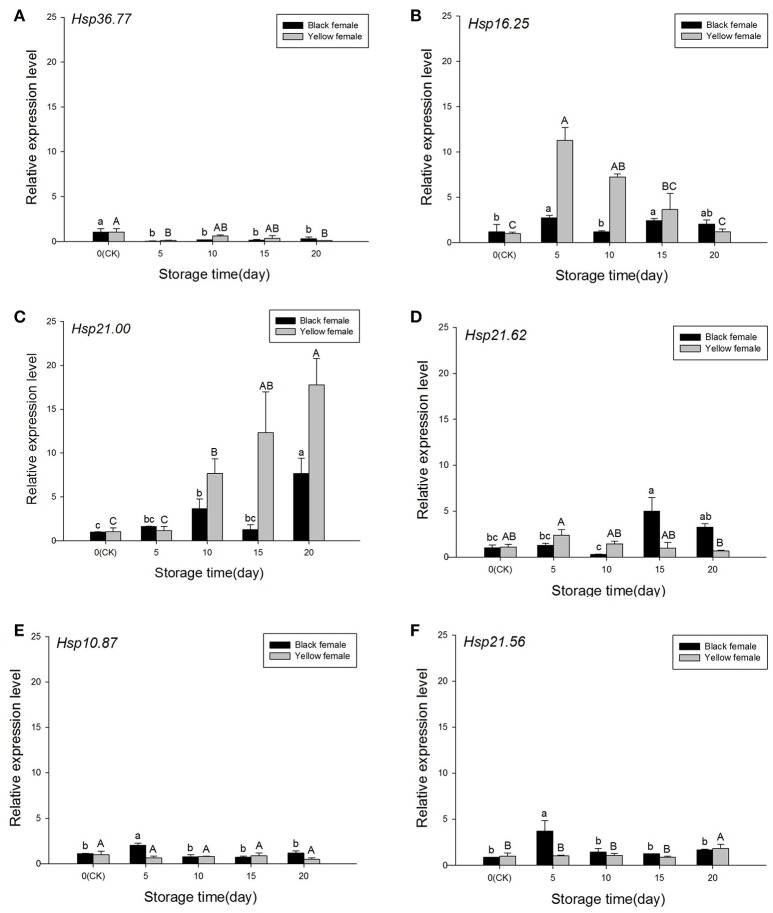
The main function of small heat shock proteins (sHSPs) as molecular chaperones is to protect proteins from denaturation under adverse conditions. Molecular and physiological data were used to examine the sHSPs underlying cold-hardiness in . Complementary DNA sequences were obtained for six sHSPs based on its transcriptome, and the expression of the genes coding for these sHSPs was evaluated by quantitative real-time PCR (qRT-PCR) in several developmental stages, under short-term cooling or heating conditions, and in black and yellow females of experimental and overwintering populations under low-temperature storage. In addition, we measured water content and the super cooling and freezing points (SCP and FP, respectively) of individuals from experimental and overwintering populations. The average water content was not significantly different between adults of both populations, but the SCP and FP of the overwintering population were significantly lower than that of the experimental population. Overall, the six sHSPs genes showed different expression patterns among developmental stages. In the short-term cooling treatment, and expressions first increased and then decreased, while and expressions increased during the entire process. Under short-term heating, the expressions of , and showed an increasing trend, whereas decreased and then increased. Under low-temperature storage conditions, the expression of decreased, while the expressions of and were higher than that of the control group in the experimental population. The expression of increased and then decreased, whereas expression was always higher than that of the control group in the overwintering population. Thus, differences in sHSPs gene expression were correlated with the forms, suggesting that the mechanism of cold resistance might differ among them. Although, , and regulated cold- hardiness, the only significant differences between overwintering and experimental populations were found for and .
小热休克蛋白(sHSPs)作为分子伴侣的主要功能是在不利条件下保护蛋白质免于变性。利用分子和生理数据研究了[具体对象]中耐寒性相关的sHSPs。基于其转录组获得了6个sHSPs的互补DNA序列,并通过定量实时PCR(qRT-PCR)在几个发育阶段、短期冷却或加热条件下以及低温储存下的实验种群和越冬种群的黑黄雌虫中评估了编码这些sHSPs的基因的表达。此外,我们测量了实验种群和越冬种群个体的含水量以及过冷却点和冰点(分别为SCP和FP)。两个种群成虫的平均含水量没有显著差异,但越冬种群的SCP和FP显著低于实验种群。总体而言,6个sHSPs基因在发育阶段表现出不同的表达模式。在短期冷却处理中,[基因名称1]和[基因名称2]的表达先升高后降低,而[基因名称3]和[基因名称4]的表达在整个过程中升高。在短期加热下,[基因名称5]、[基因名称6]和[基因名称7]的表达呈上升趋势,而[基因名称8]先下降后上升。在低温储存条件下,[基因名称9]的表达下降,而实验种群中[基因名称10]和[基因名称11]的表达高于对照组。[基因名称12]的表达先升高后降低,而越冬种群中[基因名称13]的表达始终高于对照组。因此,sHSPs基因表达的差异与[具体形式]相关,表明它们之间的抗寒机制可能不同。虽然[基因名称14]、[基因名称15]和[基因名称16]调节耐寒性,但越冬种群和实验种群之间仅在[基因名称17]和[基因名称18]上发现了显著差异。