
吡罗昔康用于下颌第三磨牙手术后与……相关的术后疼痛的疗效 。 你提供的原文似乎不完整,“associated with and.”这里有缺失内容。
Efficacy of piroxicam for postoperative pain after lower third molar surgery associated with and .
作者信息
Calvo Adriana Maria, Zupelari-Gonçalves Paulo, Dionísio Thiago José, Brozoski Daniel Thomas, Faria Flávio Augusto, Santos Carlos Ferreira
机构信息
Department of Biological Sciences, Bauru School of Dentistry, University of São Paulo, São Paulo, Brazil.
出版信息
J Pain Res. 2017 Jul 6;10:1581-1589. doi: 10.2147/JPR.S138147. eCollection 2017.
OBJECTIVE
Nonsteroidal anti-inflammatory drugs (NSAIDs) are metabolized by the cytochrome P450 enzymes (CYPs), predominantly CYP2C8 and CYP2C9. The aim of this study was to evaluate the possible association of polymorphisms in the and genes with the clinical efficacy of oral piroxicam (20 mg daily for 4 days) after lower third molar surgeries with regard to postoperative pain, swelling, trismus, adverse reactions, need for rescue medication and the volunteer's overall satisfaction.
MATERIALS AND METHODS
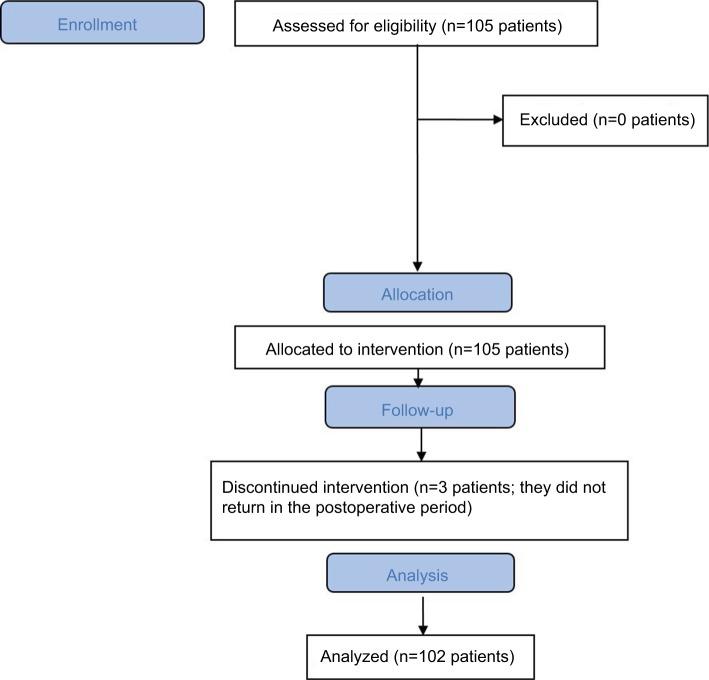
For this purpose, 102 volunteers were genotyped for and polymorphisms. Briefly, genomic DNA was isolated from saliva collected from volunteers subjected to invasive lower third molar surgeries, and the preoperative, intraoperative and postoperative parameters were collected and analyzed.
RESULTS
An equal amount of piroxicam sufficiently managed postoperative pain and inflammatory symptoms, with visual analog pain scores typically <40 mm for all genotypes investigated. Furthermore, only two out of 102 volunteers heterozygous for and reported adverse side effects.
CONCLUSION
In general, slow metabolizers of piroxicam, who were volunteers with mutant alleles, were indifferent from normal metabolizers with the wild-type alleles and therefore did not require specialized piroxicam doses to manage postoperative pain and inflammation.
目的
非甾体抗炎药(NSAIDs)由细胞色素P450酶(CYPs)代谢,主要是CYP2C8和CYP2C9。本研究的目的是评估CYP2C8和CYP2C9基因多态性与下颌第三磨牙手术后口服吡罗昔康(每日20mg,共4天)的临床疗效之间的可能关联,涉及术后疼痛、肿胀、张口受限、不良反应、急救药物需求以及志愿者的总体满意度。
材料与方法
为此,对102名志愿者进行了CYP2C8和CYP2C9基因多态性基因分型。简要地说,从接受侵入性下颌第三磨牙手术的志愿者收集的唾液中分离基因组DNA,并收集和分析术前、术中和术后参数。
结果
等量的吡罗昔康充分控制了术后疼痛和炎症症状,所有研究基因型的视觉模拟疼痛评分通常<40mm。此外,102名CYP2C8和CYP2C9基因杂合的志愿者中只有两人报告了不良反应。
结论
一般来说,携带突变等位基因的吡罗昔康慢代谢者(即志愿者)与携带野生型等位基因的正常代谢者没有差异,因此不需要特殊剂量的吡罗昔康来控制术后疼痛和炎症。

 Zotero 插件