• 文献检索
  • 文档翻译
  • 深度研究
  • 学术资讯
  • Suppr Zotero 插件Zotero 插件
  • 邀请有礼
  • 套餐&价格
  • 历史记录
应用&插件
Suppr Zotero 插件Zotero 插件浏览器插件Mac 客户端Windows 客户端微信小程序
定价
高级版会员购买积分包购买API积分包
服务
文献检索文档翻译深度研究API 文档MCP 服务
关于我们
关于 Suppr公司介绍联系我们用户协议隐私条款
关注我们

Suppr 超能文献

核心技术专利:CN118964589B侵权必究
粤ICP备2023148730 号-1Suppr @ 2026

文献检索

告别复杂PubMed语法,用中文像聊天一样搜索,搜遍4000万医学文献。AI智能推荐,让科研检索更轻松。

立即免费搜索

文件翻译

保留排版,准确专业,支持PDF/Word/PPT等文件格式,支持 12+语言互译。

免费翻译文档

深度研究

AI帮你快速写综述,25分钟生成高质量综述,智能提取关键信息,辅助科研写作。

立即免费体验

结合多智能体系统与无线传感器网络进行作物灌溉监测

Combining Multi-Agent Systems and Wireless Sensor Networks for Monitoring Crop Irrigation.

作者信息

Villarrubia Gabriel, Paz Juan F De, Iglesia Daniel H De La, Bajo Javier

机构信息

Faculty of Science, University of Salamanca, Plaza de la Merced s/n, 37002 Salamanca, Spain.

Department of Artificial Intelligence, Universidad Politécnica de Madrid, Campus Montegancedo s/n, Boadilla del Monte, 28660 Madrid, Spain.

出版信息

Sensors (Basel). 2017 Aug 2;17(8):1775. doi: 10.3390/s17081775.

DOI:10.3390/s17081775
PMID:28767089
原文链接:https://pmc.ncbi.nlm.nih.gov/articles/PMC5579810/
Abstract

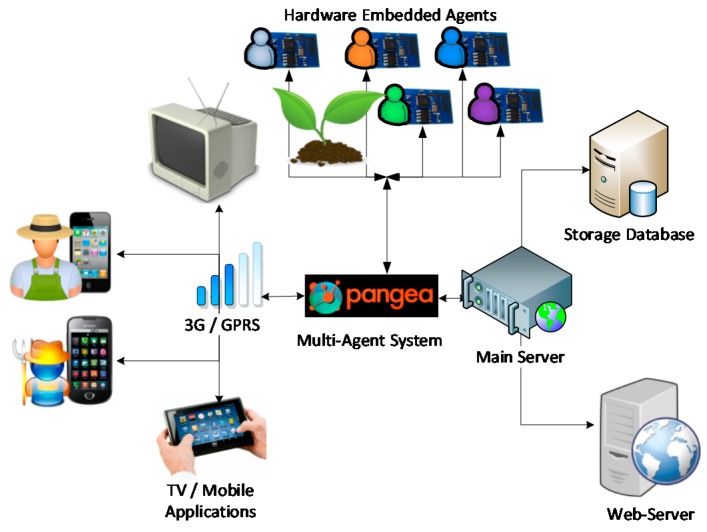
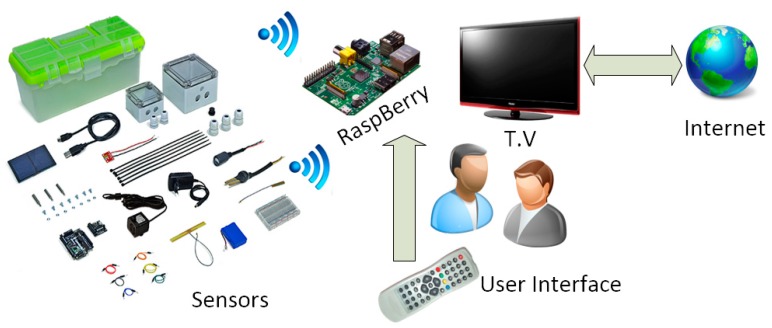
Monitoring mechanisms that ensure efficient crop growth are essential on many farms, especially in certain areas of the planet where water is scarce. Most farmers must assume the high cost of the required equipment in order to be able to streamline natural resources on their farms. Considering that many farmers cannot afford to install this equipment, it is necessary to look for more effective solutions that would be cheaper to implement. The objective of this study is to build virtual organizations of agents that can communicate between each other while monitoring crops. A low cost sensor architecture allows farmers to monitor and optimize the growth of their crops by streamlining the amount of resources the crops need at every moment. Since the hardware has limited processing and communication capabilities, our approach uses the PANGEA architecture to overcome this limitation. Specifically, we will design a system that is capable of collecting heterogeneous information from its environment, using sensors for temperature, solar radiation, humidity, pH, moisture and wind. A major outcome of our approach is that our solution is able to merge heterogeneous data from sensors and produce a response adapted to the context. In order to validate the proposed system, we present a case study in which farmers are provided with a tool that allows us to monitor the condition of crops on a TV screen using a low cost device.

摘要

确保作物高效生长的监测机制在许多农场至关重要,尤其是在地球上某些水资源稀缺的地区。大多数农民必须承担所需设备的高昂成本,以便能够优化其农场的自然资源。鉴于许多农民无力承担安装此类设备的费用,有必要寻找更有效的解决方案,且实施成本更低。本研究的目的是构建能够在监测作物时相互通信的智能体虚拟组织。一种低成本的传感器架构使农民能够通过优化作物每时每刻所需的资源量来监测和优化作物生长。由于硬件的处理和通信能力有限,我们的方法采用PANGEA架构来克服这一限制。具体而言,我们将设计一个能够从其环境中收集异构信息的系统,使用温度、太阳辐射、湿度、pH值、湿度和风速传感器。我们方法的一个主要成果是,我们的解决方案能够合并来自传感器的异构数据,并产生适应具体情况的响应。为了验证所提出的系统,我们展示了一个案例研究,其中为农民提供了一种工具,使我们能够使用低成本设备在电视屏幕上监测作物状况。
https://cdn.ncbi.nlm.nih.gov/pmc/blobs/ee0c/5579810/1f83b606b15b/sensors-17-01775-g025.jpg
https://cdn.ncbi.nlm.nih.gov/pmc/blobs/ee0c/5579810/a42b28587ef2/sensors-17-01775-g001.jpg
https://cdn.ncbi.nlm.nih.gov/pmc/blobs/ee0c/5579810/a2f7bb11955d/sensors-17-01775-g002.jpg
https://cdn.ncbi.nlm.nih.gov/pmc/blobs/ee0c/5579810/4df01446792e/sensors-17-01775-g003.jpg
https://cdn.ncbi.nlm.nih.gov/pmc/blobs/ee0c/5579810/746f8f1d9fb2/sensors-17-01775-g004.jpg
https://cdn.ncbi.nlm.nih.gov/pmc/blobs/ee0c/5579810/868d4b9c8361/sensors-17-01775-g005.jpg
https://cdn.ncbi.nlm.nih.gov/pmc/blobs/ee0c/5579810/8f4fa578e2c6/sensors-17-01775-g006.jpg
https://cdn.ncbi.nlm.nih.gov/pmc/blobs/ee0c/5579810/3352444c9a57/sensors-17-01775-g007.jpg
https://cdn.ncbi.nlm.nih.gov/pmc/blobs/ee0c/5579810/30a40b125a29/sensors-17-01775-g008.jpg
https://cdn.ncbi.nlm.nih.gov/pmc/blobs/ee0c/5579810/21d4c888cd55/sensors-17-01775-g009.jpg
https://cdn.ncbi.nlm.nih.gov/pmc/blobs/ee0c/5579810/9b65edc51bc7/sensors-17-01775-g010.jpg
https://cdn.ncbi.nlm.nih.gov/pmc/blobs/ee0c/5579810/b166bb03817e/sensors-17-01775-g011.jpg
https://cdn.ncbi.nlm.nih.gov/pmc/blobs/ee0c/5579810/633bc6a9ff71/sensors-17-01775-g012.jpg
https://cdn.ncbi.nlm.nih.gov/pmc/blobs/ee0c/5579810/09d7052103a4/sensors-17-01775-g013.jpg
https://cdn.ncbi.nlm.nih.gov/pmc/blobs/ee0c/5579810/3adad46af016/sensors-17-01775-g014.jpg
https://cdn.ncbi.nlm.nih.gov/pmc/blobs/ee0c/5579810/a2157428f2f1/sensors-17-01775-g015.jpg
https://cdn.ncbi.nlm.nih.gov/pmc/blobs/ee0c/5579810/1ec113f2916a/sensors-17-01775-g016.jpg
https://cdn.ncbi.nlm.nih.gov/pmc/blobs/ee0c/5579810/1c933fb5b406/sensors-17-01775-g017.jpg
https://cdn.ncbi.nlm.nih.gov/pmc/blobs/ee0c/5579810/41dae868a0c1/sensors-17-01775-g018.jpg
https://cdn.ncbi.nlm.nih.gov/pmc/blobs/ee0c/5579810/774d37a745ca/sensors-17-01775-g019.jpg
https://cdn.ncbi.nlm.nih.gov/pmc/blobs/ee0c/5579810/d252dfc89c46/sensors-17-01775-g020.jpg
https://cdn.ncbi.nlm.nih.gov/pmc/blobs/ee0c/5579810/212bad726e71/sensors-17-01775-g021.jpg
https://cdn.ncbi.nlm.nih.gov/pmc/blobs/ee0c/5579810/2e59222972e6/sensors-17-01775-g022.jpg
https://cdn.ncbi.nlm.nih.gov/pmc/blobs/ee0c/5579810/dc46177f82cb/sensors-17-01775-g023.jpg
https://cdn.ncbi.nlm.nih.gov/pmc/blobs/ee0c/5579810/f917f5814e7a/sensors-17-01775-g024.jpg
https://cdn.ncbi.nlm.nih.gov/pmc/blobs/ee0c/5579810/1f83b606b15b/sensors-17-01775-g025.jpg
https://cdn.ncbi.nlm.nih.gov/pmc/blobs/ee0c/5579810/a42b28587ef2/sensors-17-01775-g001.jpg
https://cdn.ncbi.nlm.nih.gov/pmc/blobs/ee0c/5579810/a2f7bb11955d/sensors-17-01775-g002.jpg
https://cdn.ncbi.nlm.nih.gov/pmc/blobs/ee0c/5579810/4df01446792e/sensors-17-01775-g003.jpg
https://cdn.ncbi.nlm.nih.gov/pmc/blobs/ee0c/5579810/746f8f1d9fb2/sensors-17-01775-g004.jpg
https://cdn.ncbi.nlm.nih.gov/pmc/blobs/ee0c/5579810/868d4b9c8361/sensors-17-01775-g005.jpg
https://cdn.ncbi.nlm.nih.gov/pmc/blobs/ee0c/5579810/8f4fa578e2c6/sensors-17-01775-g006.jpg
https://cdn.ncbi.nlm.nih.gov/pmc/blobs/ee0c/5579810/3352444c9a57/sensors-17-01775-g007.jpg
https://cdn.ncbi.nlm.nih.gov/pmc/blobs/ee0c/5579810/30a40b125a29/sensors-17-01775-g008.jpg
https://cdn.ncbi.nlm.nih.gov/pmc/blobs/ee0c/5579810/21d4c888cd55/sensors-17-01775-g009.jpg
https://cdn.ncbi.nlm.nih.gov/pmc/blobs/ee0c/5579810/9b65edc51bc7/sensors-17-01775-g010.jpg
https://cdn.ncbi.nlm.nih.gov/pmc/blobs/ee0c/5579810/b166bb03817e/sensors-17-01775-g011.jpg
https://cdn.ncbi.nlm.nih.gov/pmc/blobs/ee0c/5579810/633bc6a9ff71/sensors-17-01775-g012.jpg
https://cdn.ncbi.nlm.nih.gov/pmc/blobs/ee0c/5579810/09d7052103a4/sensors-17-01775-g013.jpg
https://cdn.ncbi.nlm.nih.gov/pmc/blobs/ee0c/5579810/3adad46af016/sensors-17-01775-g014.jpg
https://cdn.ncbi.nlm.nih.gov/pmc/blobs/ee0c/5579810/a2157428f2f1/sensors-17-01775-g015.jpg
https://cdn.ncbi.nlm.nih.gov/pmc/blobs/ee0c/5579810/1ec113f2916a/sensors-17-01775-g016.jpg
https://cdn.ncbi.nlm.nih.gov/pmc/blobs/ee0c/5579810/1c933fb5b406/sensors-17-01775-g017.jpg
https://cdn.ncbi.nlm.nih.gov/pmc/blobs/ee0c/5579810/41dae868a0c1/sensors-17-01775-g018.jpg
https://cdn.ncbi.nlm.nih.gov/pmc/blobs/ee0c/5579810/774d37a745ca/sensors-17-01775-g019.jpg
https://cdn.ncbi.nlm.nih.gov/pmc/blobs/ee0c/5579810/d252dfc89c46/sensors-17-01775-g020.jpg
https://cdn.ncbi.nlm.nih.gov/pmc/blobs/ee0c/5579810/212bad726e71/sensors-17-01775-g021.jpg
https://cdn.ncbi.nlm.nih.gov/pmc/blobs/ee0c/5579810/2e59222972e6/sensors-17-01775-g022.jpg
https://cdn.ncbi.nlm.nih.gov/pmc/blobs/ee0c/5579810/dc46177f82cb/sensors-17-01775-g023.jpg
https://cdn.ncbi.nlm.nih.gov/pmc/blobs/ee0c/5579810/f917f5814e7a/sensors-17-01775-g024.jpg
https://cdn.ncbi.nlm.nih.gov/pmc/blobs/ee0c/5579810/1f83b606b15b/sensors-17-01775-g025.jpg

相似文献

1
Combining Multi-Agent Systems and Wireless Sensor Networks for Monitoring Crop Irrigation.结合多智能体系统与无线传感器网络进行作物灌溉监测
Sensors (Basel). 2017 Aug 2;17(8):1775. doi: 10.3390/s17081775.
2
Combination of Multi-Agent Systems and Wireless Sensor Networks for the Monitoring of Cattle.多智能体系统与无线传感器网络在牛只监测中的应用
Sensors (Basel). 2018 Jan 2;18(1):108. doi: 10.3390/s18010108.
3
Smart System for Bicarbonate Control in Irrigation for Hydroponic Precision Farming.用于水培精准农业灌溉中碳酸氢盐控制的智能系统。
Sensors (Basel). 2018 Apr 25;18(5):1333. doi: 10.3390/s18051333.
4
Development of Smart Irrigation Equipment for Soilless Crops Based on the Current Most Representative Water-Demand Sensors.基于当前最具代表性的需水传感器的无土作物智能灌溉设备的开发。
Sensors (Basel). 2023 Mar 16;23(6):3177. doi: 10.3390/s23063177.
5
Irriman Platform: Enhancing Farming Sustainability through Cloud Computing Techniques for Irrigation Management.易瑞曼平台:通过云计算技术实现灌溉管理,提高农业可持续性。
Sensors (Basel). 2021 Dec 29;22(1):228. doi: 10.3390/s22010228.
6
Design and Performance Evaluation of a Low-Cost Autonomous Sensor Interface for a Smart IoT-Based Irrigation Monitoring and Control System.基于智能物联网的灌溉监测与控制系统的低成本自主传感器接口的设计与性能评估
Sensors (Basel). 2019 Aug 21;19(17):3643. doi: 10.3390/s19173643.
7
A Wireless Sensor Network Deployment for Soil Moisture Monitoring in Precision Agriculture.在精准农业中用于土壤湿度监测的无线传感器网络部署。
Sensors (Basel). 2021 Oct 30;21(21):7243. doi: 10.3390/s21217243.
8
Energy-Efficient Wireless Communication Strategy for Precision Agriculture Irrigation Control.节能型无线通信策略在精准农业灌溉控制中的应用。
Sensors (Basel). 2021 Aug 18;21(16):5541. doi: 10.3390/s21165541.
9
Application of smart irrigation systems for water conservation in Italian farms.智能灌溉系统在意大利农场的节水应用。
Environ Sci Pollut Res Int. 2021 Jun;28(21):26488-26499. doi: 10.1007/s11356-021-12524-6. Epub 2021 Jan 23.
10
IoT-Based Smart Irrigation Systems: An Overview on the Recent Trends on Sensors and IoT Systems for Irrigation in Precision Agriculture.基于物联网的智能灌溉系统:精准农业中传感器和物联网系统在灌溉方面的最新趋势综述。
Sensors (Basel). 2020 Feb 14;20(4):1042. doi: 10.3390/s20041042.

引用本文的文献

1
Engineering Approaches for Programming Agent-Based IoT Objects Using the Resource Management Architecture.使用资源管理架构对基于代理的物联网对象进行编程的工程方法。
Sensors (Basel). 2021 Dec 4;21(23):8110. doi: 10.3390/s21238110.
2
Deep Q-Learning and Preference Based Multi-Agent System for Sustainable Agricultural Market.深度 Q 学习与基于偏好的多智能体系统在可持续农业市场中的应用
Sensors (Basel). 2021 Aug 4;21(16):5276. doi: 10.3390/s21165276.
3
An Exploration of Deep-Learning Based Phenotypic Analysis to Detect Spike Regions in Field Conditions for UK Bread Wheat.

本文引用的文献

1
Ambient agents: embedded agents for remote control and monitoring using the PANGEA platform.环境智能体:使用PANGEA平台进行远程控制和监测的嵌入式智能体。
Sensors (Basel). 2014 Jul 31;14(8):13955-79. doi: 10.3390/s140813955.
基于深度学习的表型分析在英国面包小麦田间条件下检测穗部区域的探索
Plant Phenomics. 2019 Jul 31;2019:7368761. doi: 10.34133/2019/7368761. eCollection 2019.
4
IoT-Based Smart Irrigation Systems: An Overview on the Recent Trends on Sensors and IoT Systems for Irrigation in Precision Agriculture.基于物联网的智能灌溉系统:精准农业中传感器和物联网系统在灌溉方面的最新趋势综述。
Sensors (Basel). 2020 Feb 14;20(4):1042. doi: 10.3390/s20041042.
5
Estimation of Solar Radiation for Tomato Water Requirement Calculation in Chinese-Style Solar Greenhouses Based on Least Mean Squares Filter.基于最小均方滤波的中式太阳能温室内番茄需水量计算的太阳辐射估算。
Sensors (Basel). 2019 Dec 25;20(1):155. doi: 10.3390/s20010155.
6
Design and Performance Evaluation of a Low-Cost Autonomous Sensor Interface for a Smart IoT-Based Irrigation Monitoring and Control System.基于智能物联网的灌溉监测与控制系统的低成本自主传感器接口的设计与性能评估
Sensors (Basel). 2019 Aug 21;19(17):3643. doi: 10.3390/s19173643.
7
CropSight: a scalable and open-source information management system for distributed plant phenotyping and IoT-based crop management.作物视觉:一种用于分布式植物表型分析和基于物联网的作物管理的可扩展开源信息管理系统。
Gigascience. 2019 Mar 1;8(3). doi: 10.1093/gigascience/giz009.
8
Power Reduction with Sleep/Wake on Redundant Data (SWORD) in a Wireless Sensor Network for Energy-Efficient Precision Agriculture.在用于节能精准农业的无线传感器网络中,通过睡眠/冗余数据唤醒 (SWORD) 来降低功耗。
Sensors (Basel). 2018 Oct 13;18(10):3450. doi: 10.3390/s18103450.
9
Smart Waste Collection System with Low Consumption LoRaWAN Nodes and Route Optimization.具有低功耗 LoRaWAN 节点和路径优化的智能废物收集系统。
Sensors (Basel). 2018 May 8;18(5):1465. doi: 10.3390/s18051465.
10
A Context-Aware Indoor Air Quality System for Sudden Infant Death Syndrome Prevention.基于上下文感知的预防婴儿猝死综合征室内空气质量系统。
Sensors (Basel). 2018 Mar 2;18(3):757. doi: 10.3390/s18030757.