Section of Virology, Department of Medicine, Imperial College, London W2 1PG, UK.
Chemistry Research Laboratory, Department of Chemistry, University of Oxford, Mansfield Road, Oxford, UK.
Cell Chem Biol. 2017 Nov 16;24(11):1377-1387.e3. doi: 10.1016/j.chembiol.2017.08.016. Epub 2017 Sep 28.
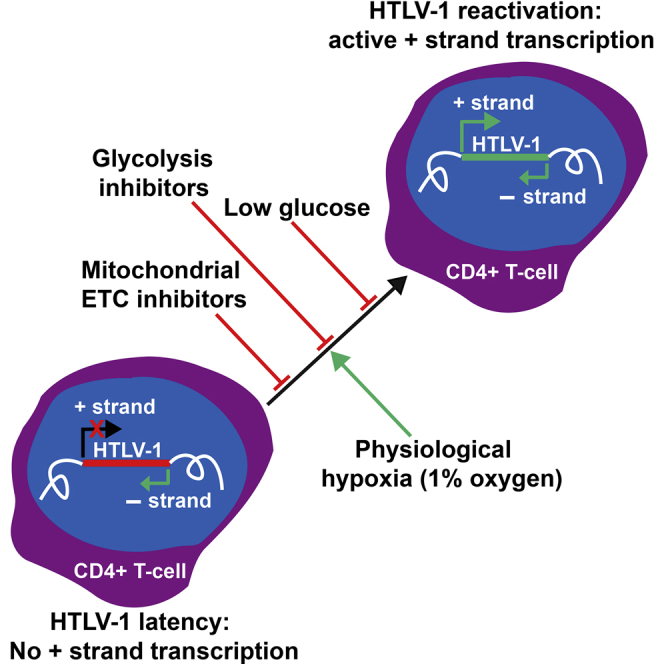
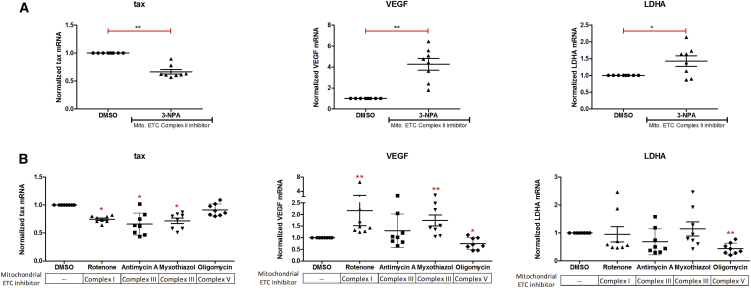
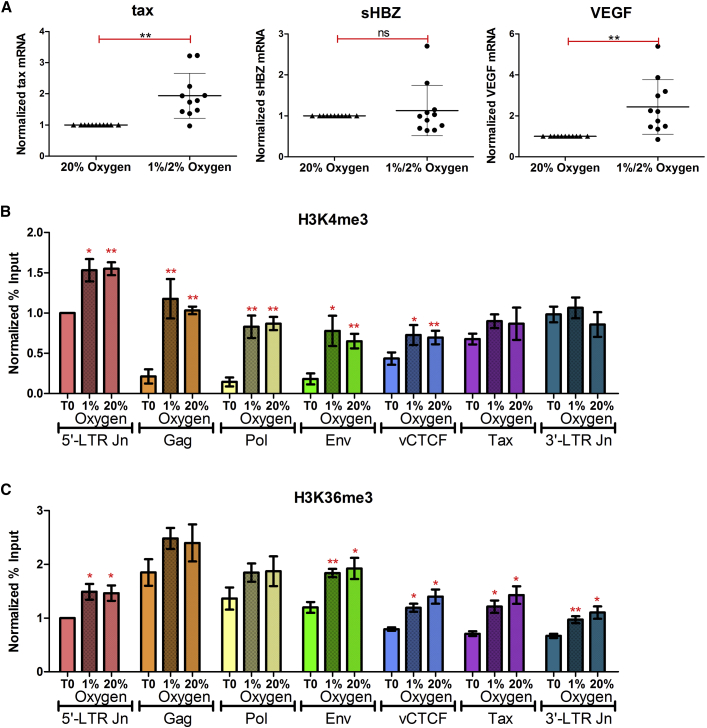
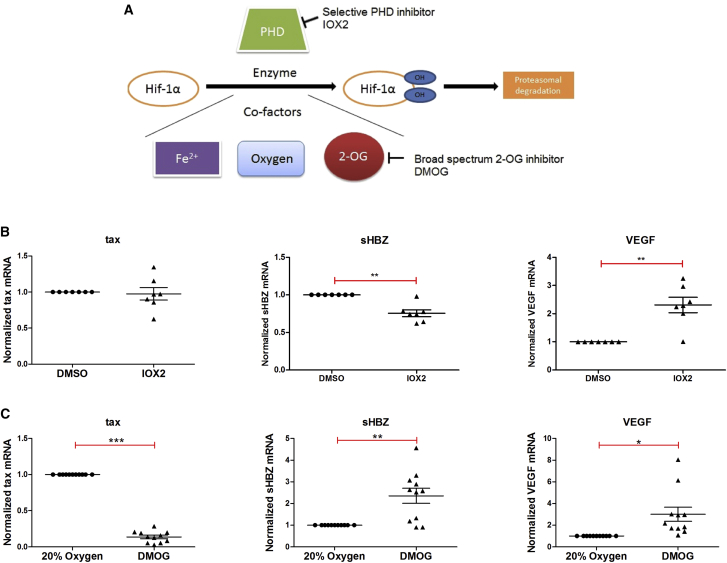
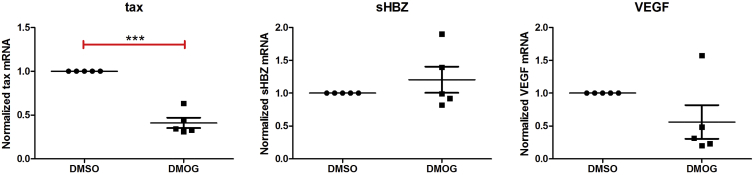
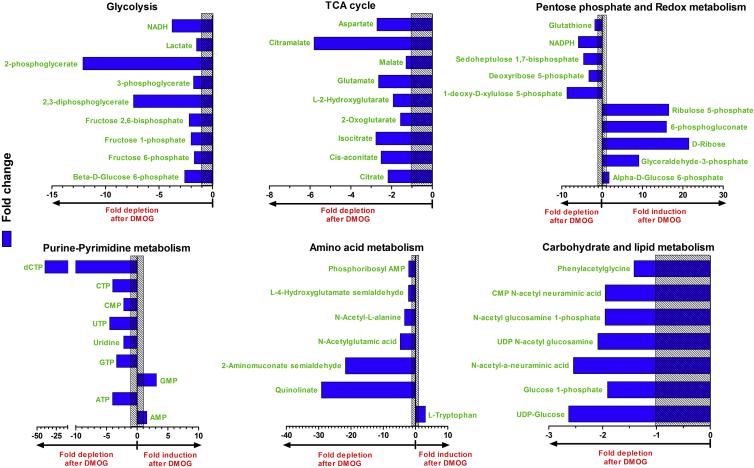
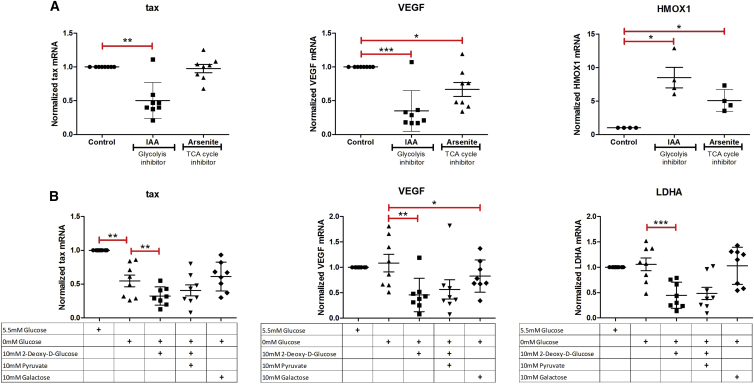
The human retrovirus HTLV-1 causes a hematological malignancy or neuroinflammatory disease in ∼10% of infected individuals. HTLV-1 primarily infects CD4 T lymphocytes and persists as a provirus integrated in their genome. HTLV-1 appears transcriptionally latent in freshly isolated cells; however, the chronically active anti-HTLV-1 cytotoxic T cell response observed in infected individuals indicates frequent proviral expression in vivo. The kinetics and regulation of HTLV-1 proviral expression in vivo are poorly understood. By using hypoxia, small-molecule hypoxia mimics, and inhibitors of specific metabolic pathways, we show that physiologically relevant levels of hypoxia, as routinely encountered by circulating T cells in the lymphoid organs and bone marrow, significantly enhance HTLV-1 reactivation from latency. Furthermore, culturing naturally infected CD4 T cells in glucose-free medium or chemical inhibition of glycolysis or the mitochondrial electron transport chain strongly suppresses HTLV-1 plus-strand transcription. We conclude that glucose metabolism and oxygen tension regulate HTLV-1 proviral latency and reactivation in vivo.
人类逆转录病毒 HTLV-1 在约 10%的感染个体中引起血液系统恶性肿瘤或神经炎症性疾病。HTLV-1 主要感染 CD4 T 淋巴细胞,并以整合在其基因组中的前病毒形式持续存在。HTLV-1 在新分离的细胞中表现出转录潜伏性;然而,在感染个体中观察到的慢性活跃的抗 HTLV-1 细胞毒性 T 细胞反应表明,在体内频繁表达前病毒。体内 HTLV-1 前病毒表达的动力学和调节机制了解甚少。通过使用缺氧、小分子缺氧模拟物和特定代谢途径的抑制剂,我们表明,生理相关水平的缺氧,如循环 T 细胞在淋巴器官和骨髓中经常遇到的缺氧,可显著增强 HTLV-1 从潜伏状态重新激活。此外,在无葡萄糖培养基中培养天然感染的 CD4 T 细胞或化学抑制糖酵解或线粒体电子传递链强烈抑制 HTLV-1 正链转录。我们得出结论,葡萄糖代谢和氧张力调节体内 HTLV-1 前病毒潜伏期和重新激活。